
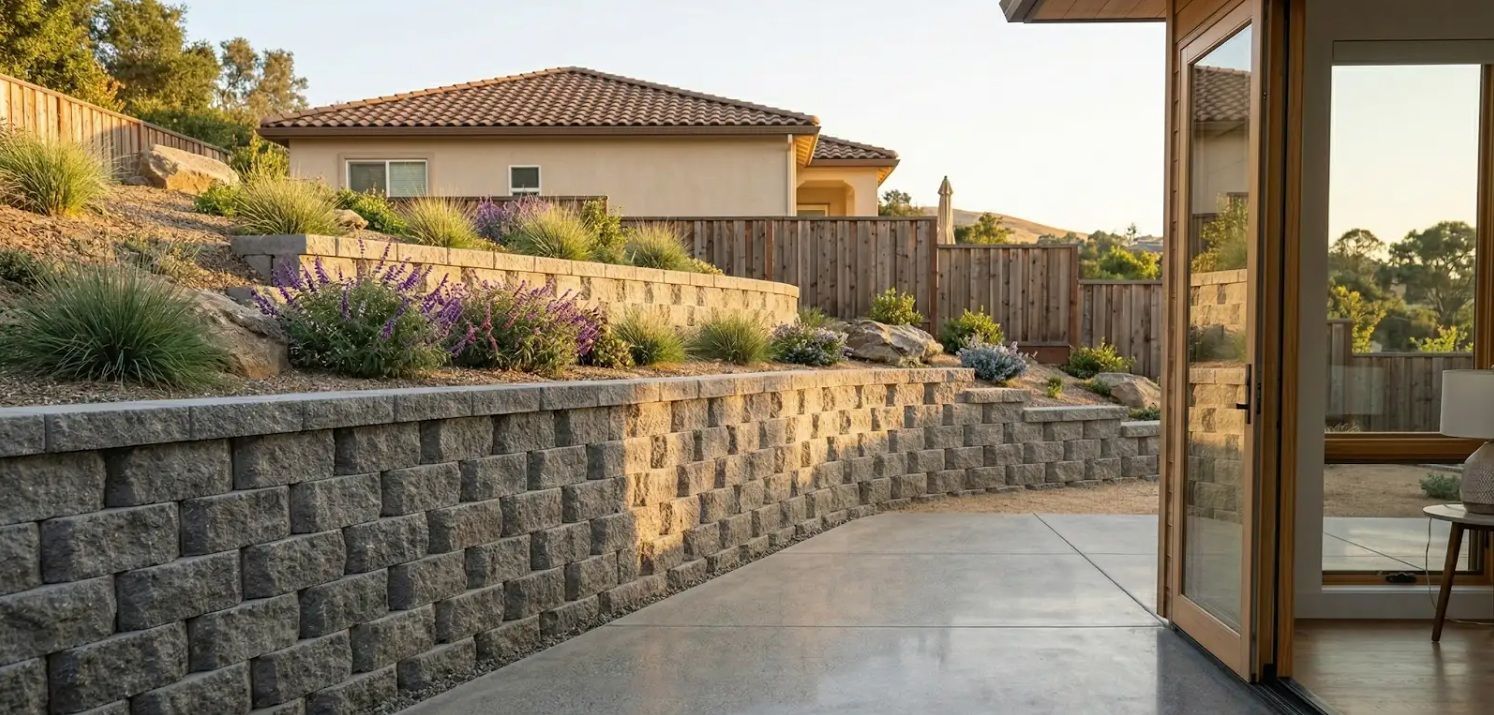
Retaining wall costs vary widely based on material, height, and soil. Here's what East Bay homeowners should budget for in 2026.
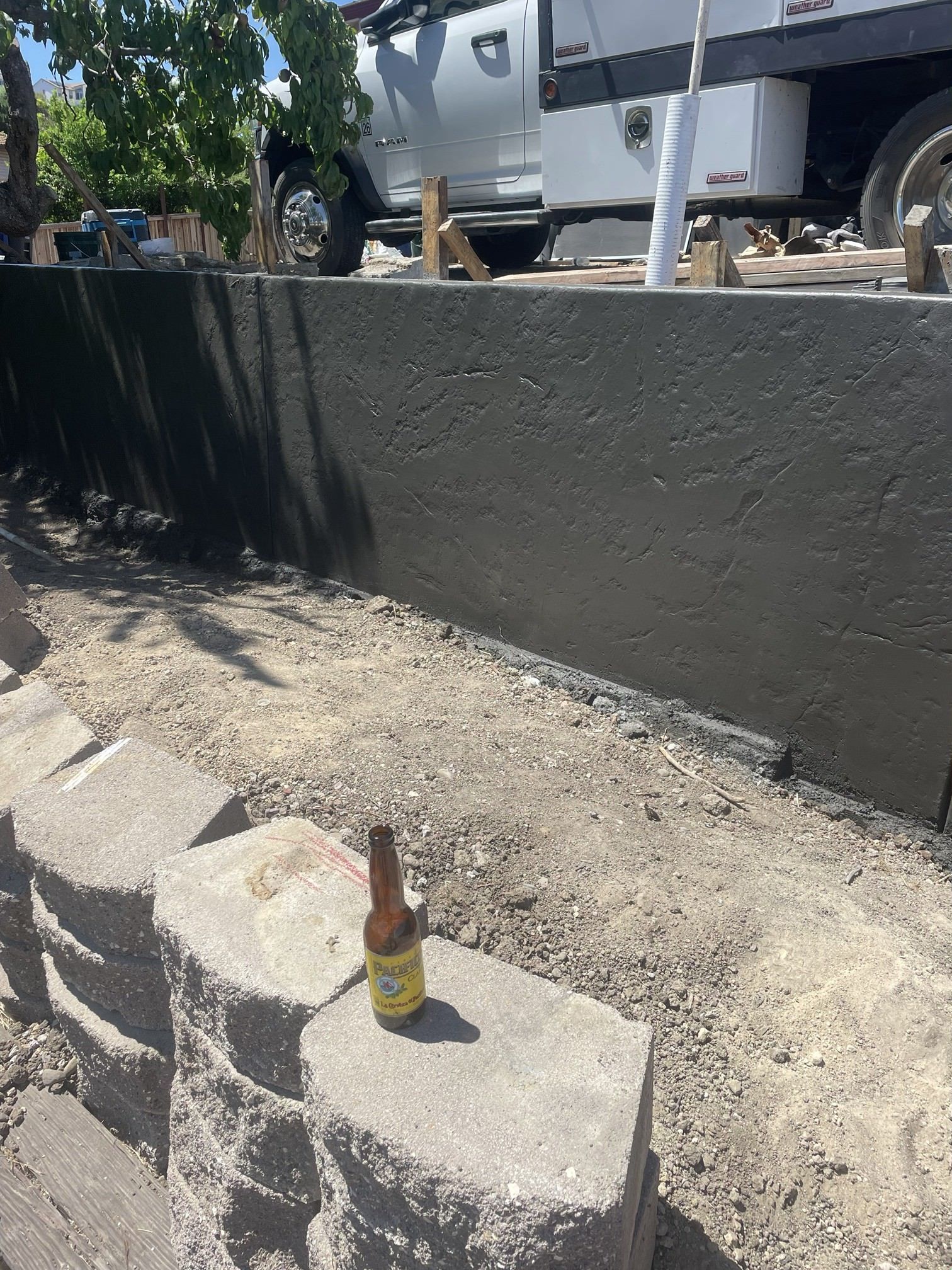
Learn about 5 of the major retaining wall types: poured concrete, concrete block, timber, stone, & gabion. Find out which suits East Bay hillside properties.
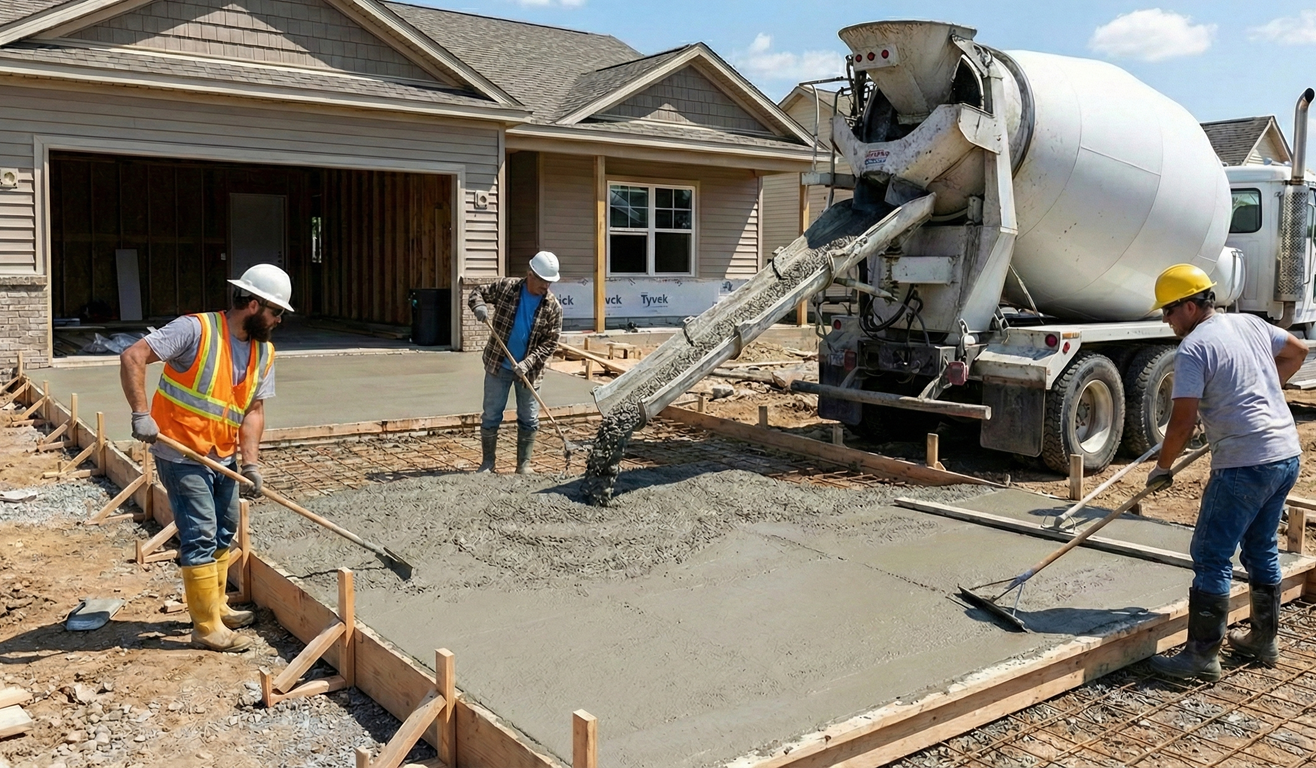
Curious about driveway paving costs in the Bay Area? Our guide explains pricing for concrete, asphalt, and pavers to help you budget for your next home project.
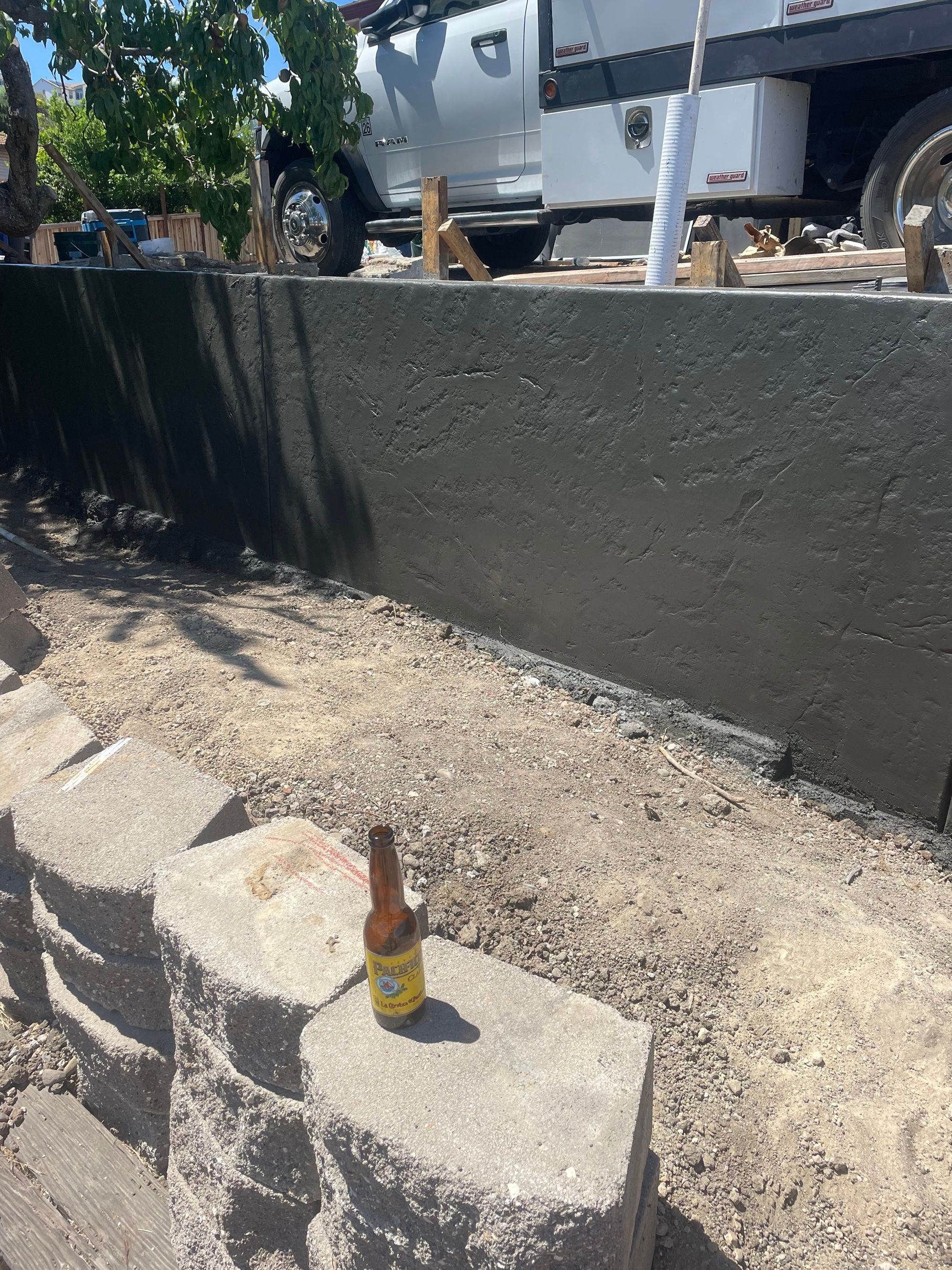
What are retaining walls? Discover how these game-changing structures help property owners deal with challenging terrain courtesy of Elite Development Builders.
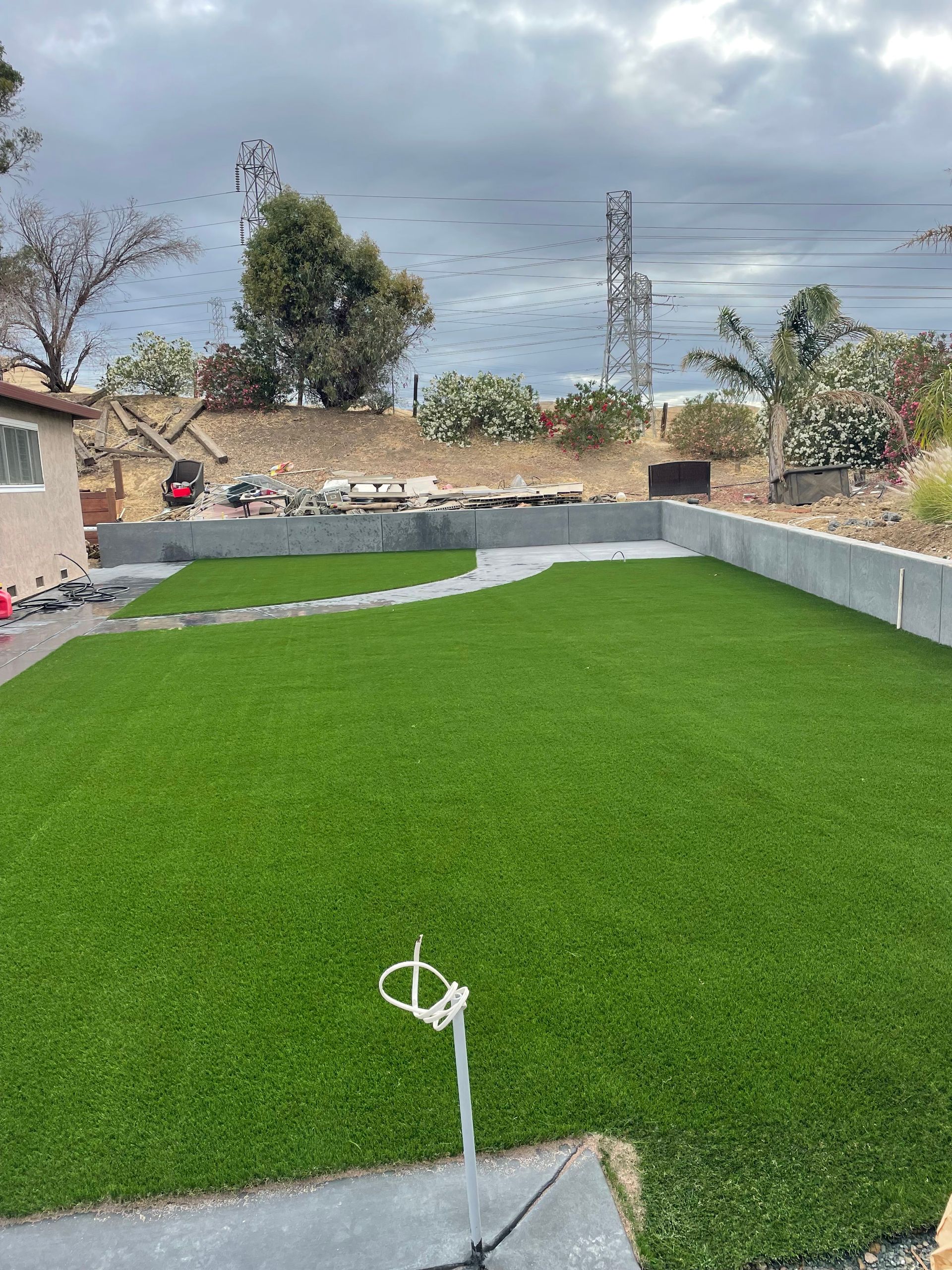
Discover how to install synthetic turf like a pro. Here are the tools, steps, drainage tips, and pro shortcuts you need for Contra Costa County installs.
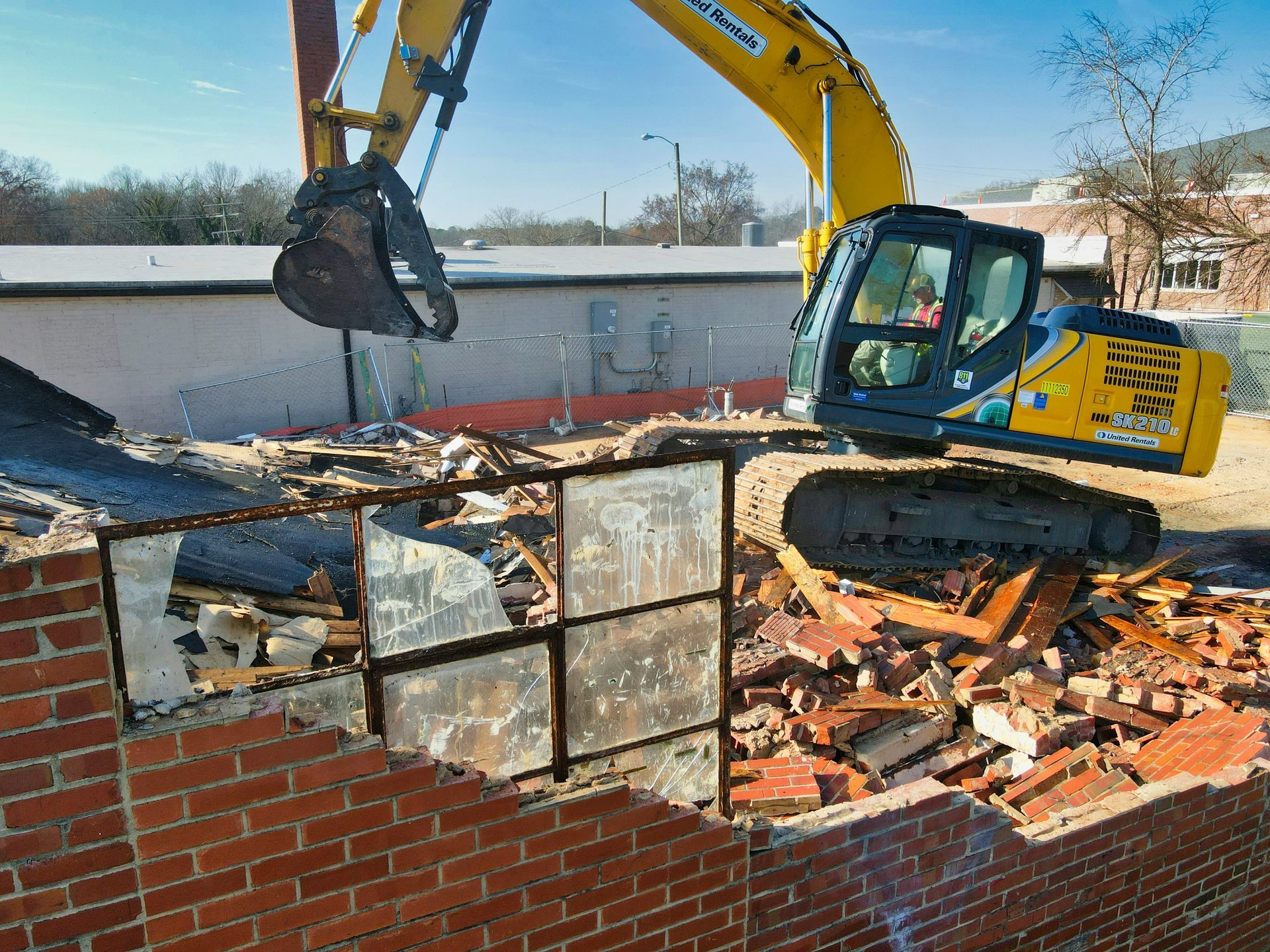
How much does home demolition cost? Elite Development Builders shares cost estimates, expenses you need to be aware of, and how you can save some money.

Discover what synthetic turf is, its benefits, installation process, and costs. Learn everything you need to know courtesy of Elite Development Builders.
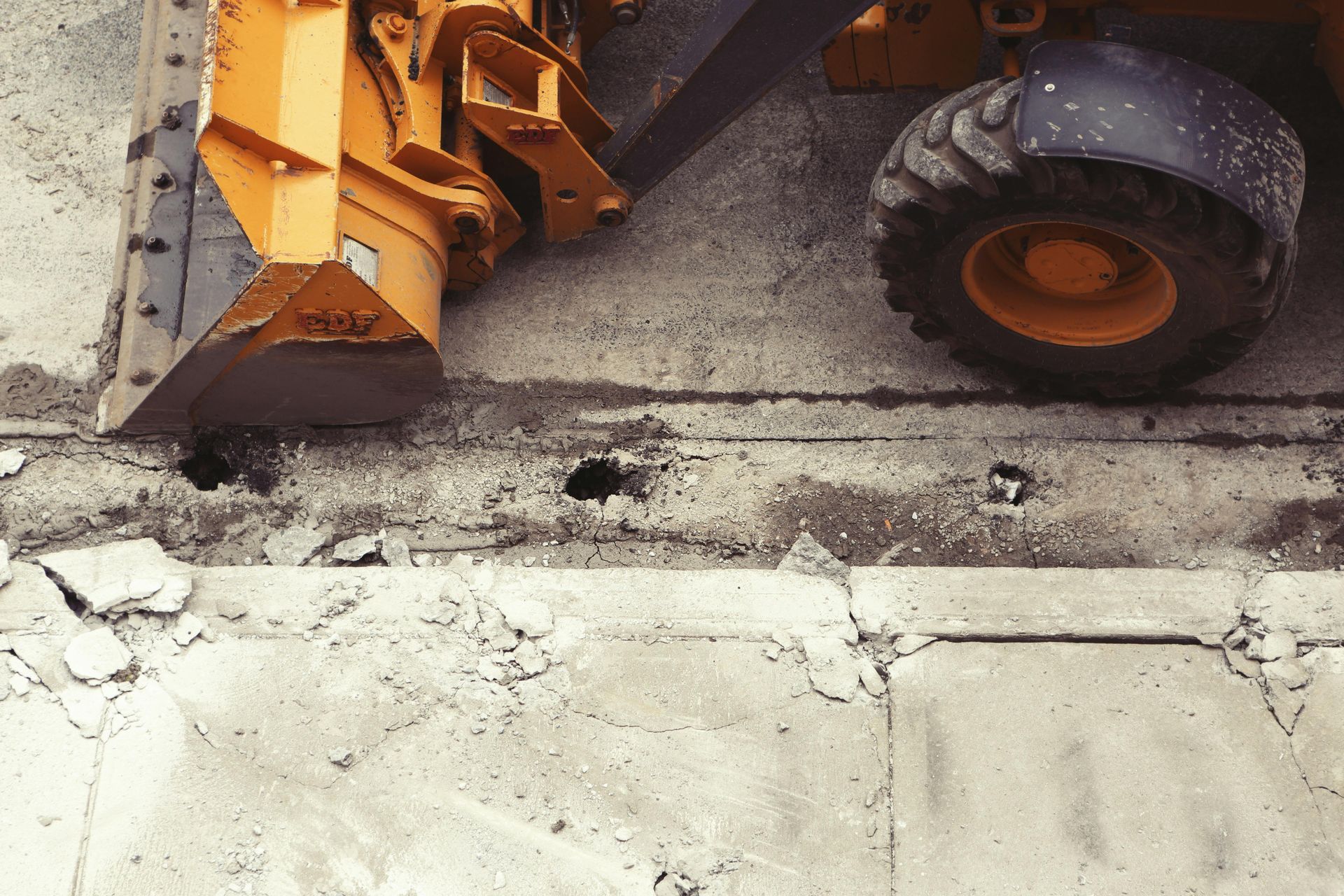
Explore professional building demolition—from planning and permits to safe removal and waste management. Your complete, expert guide.

Demolition projects in San Francisco present unique challenges and opportunities for property owners. This guide discusses available demolition services, pricing factors, permit requirements, and essential tips for selecting the right demolition contractor. Whether you are a homeowner, business owner, or facility manager, understanding these key areas is critical for safety, regulatory compliance, and optimal waste management. What Are the Main Types of Demolition Services in San Francisco? Demolition services in San Francisco include various methods adapted for urban properties. The industry is divided into categories covering both residential and commercial projects, as well as selective deconstruction and hazardous material removal. Demolition for Commercial and Residential Properties Commercial and residential demolitions differ in scale, complexity, and regulatory oversight. Commercial projects often involve multi-story buildings or large complexes that require phased removal, specialized equipment, and coordination with local authorities. Residential demolitions are generally smaller, focusing on preserving neighboring structures and handling non-toxic waste. For example, while a multi-story site may need advanced machinery and staggered shifts, a single-family home demolition typically combines manual labor with smaller-scale equipment. Selective and Interior Demolition in San Francisco Selective and interior demolition entails the careful removal of specific building elements while retaining key structural components for reuse or renovation. This approach helps minimize waste and supports sustainable practices. By removing non-load-bearing elements, interior demolition allows remodeling, and selective demolition targets hazardous materials with precision. Contractors use planning techniques like building surveys and digital modeling to ensure only designated parts are removed and the building’s integrity is maintained. Why Is Asbestos Abatement Critical in San Francisco Demolition Projects? Asbestos abatement is essential because inhaling asbestos fibers can cause lung cancer and asbestosis. Many older San Francisco buildings contain asbestos, making its removal mandatory under federal, state, and local guidelines. Certified contractors must follow regulated steps involving encapsulation, removal, and safe disposal to protect workers and residents. A specialized abatement plan must be approved before demolition work on older structures can begin. Site Clearing and Debris Removal: Prepare Construction Sites? Site clearing and debris removal eliminate obstructions and hazardous materials from the demolition phase. This service involves sorting construction waste, recycling salvageable materials, and ensuring a contaminant-free environment. Proper clearing improves safety for subsequent construction and helps developers meet San Francisco’s sustainability and waste management standards. Contractors use heavy machinery and manual labor to separate recyclables from construction debris. How Much Does Demolition Cost in San Francisco?