Bay Area Driveway Paving Costs Explained

January 2, 2026

A new driveway is one of the most impactful upgrades you can make to your home's curb appeal and functionality. For many homeowners, one of the first questions on their mind is: how much does it cost to pave a driveway? As the Bay Area's trusted concrete and outdoor construction contractor, Elite Development Builders believes in transparency. 


Allow us to break down the costs and factors involved so you can make an informed decision for your property.


What Is the Average Cost of a New Driveway in the Bay Area?

Nationally, installed costs vary widely by material and driveway size. Typical ranges for a standard two-car driveway are: 


  • Asphalt: About $3-$7 per square foot ($2,000-$6,000)
  • Concrete: Approximately $6-$16 per square foot ($4,000-$12,000)
  • Interlocking pavers: Around $10-$30+ per square foot ($10,000-$24,000+). 


Here in the San Francisco Bay Area, prices tend to be higher due to labor and material costs. For asphalt, an overlay typically runs about $3.50-$6 per square foot, while a full tear-out and replacement is commonly $6-$12+ per square foot.


Please note that this is just a starting point. The final price tag depends on several key variables, with the most significant being the material you choose.


A Breakdown of Driveway Materials: Cost vs. Longevity

The material you choose should be based on your budget and long-term maintenance preferences. Let's explore the three most popular options we work with.


Concrete: The Durable and Versatile Standard

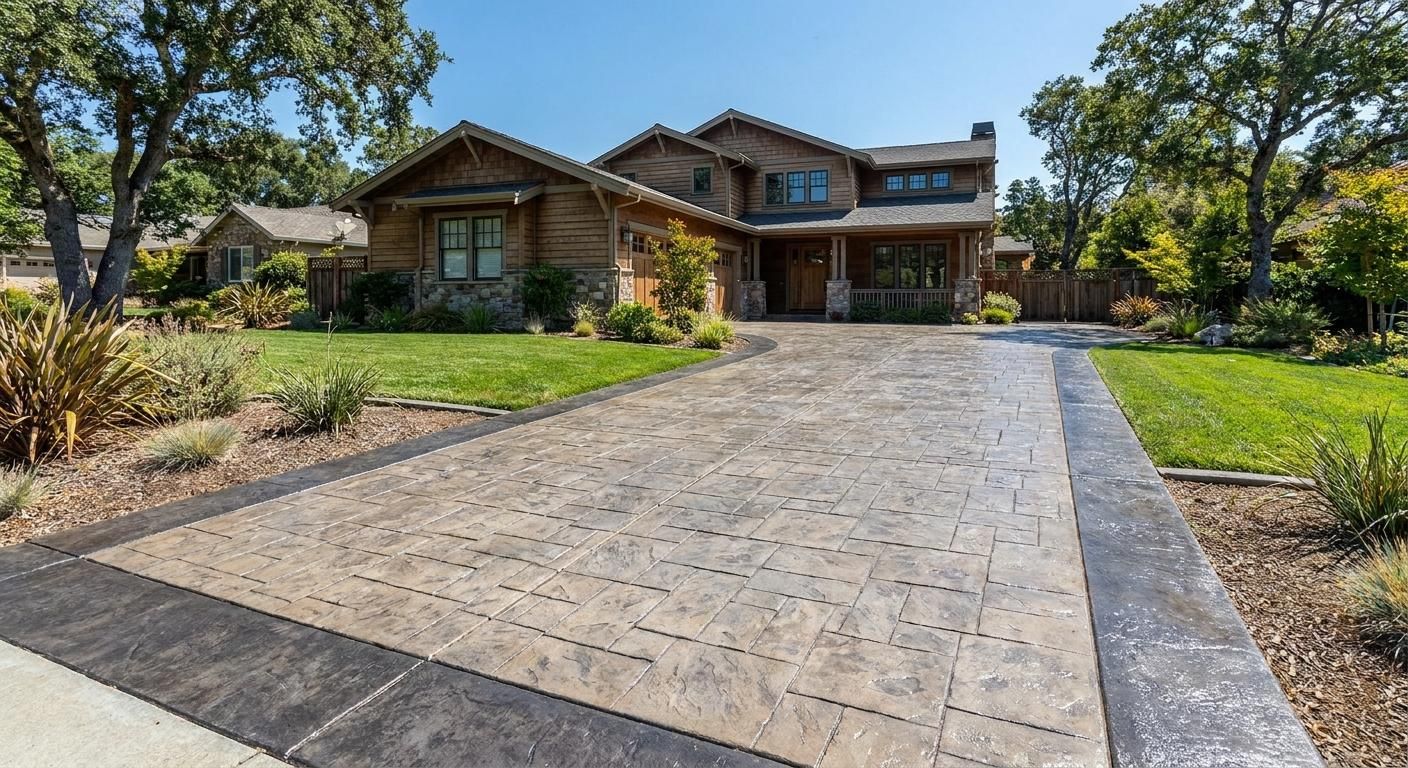
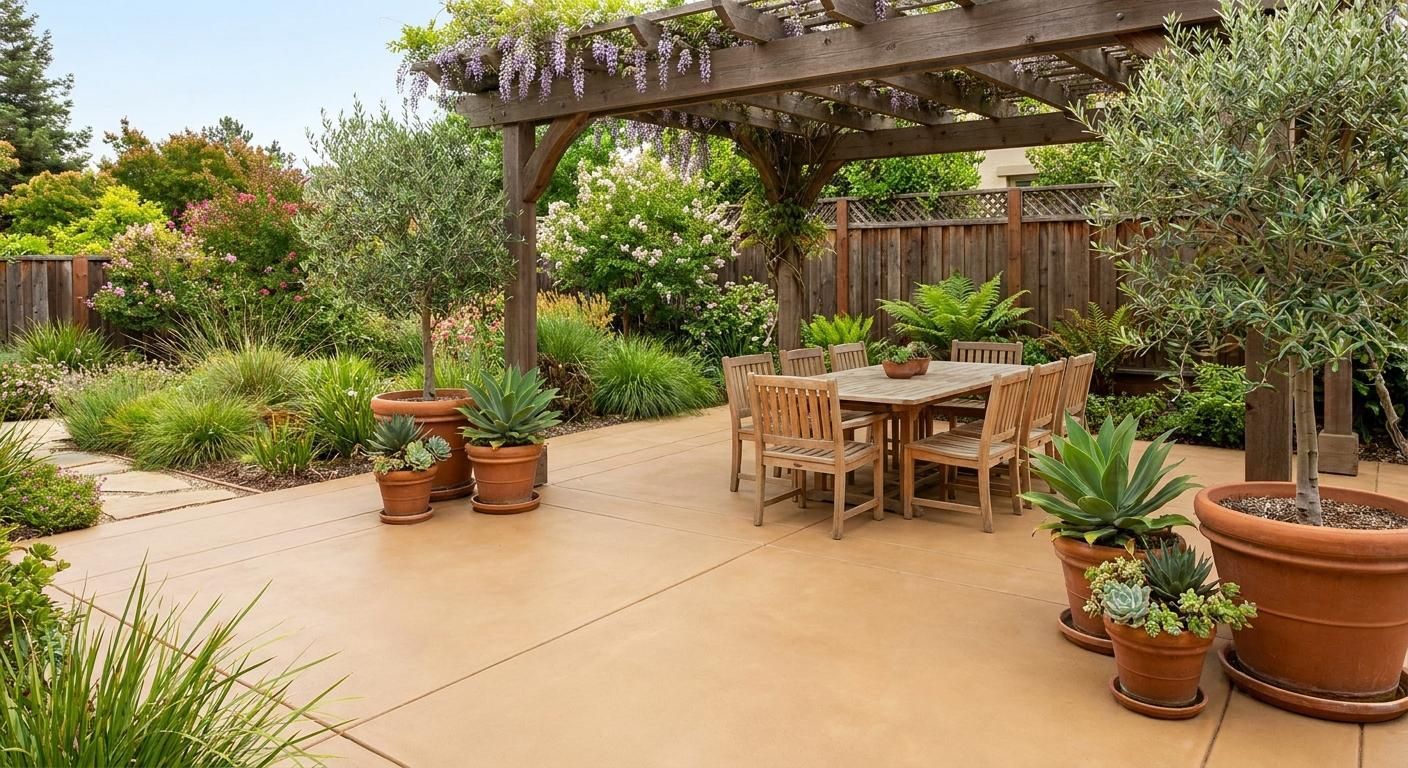
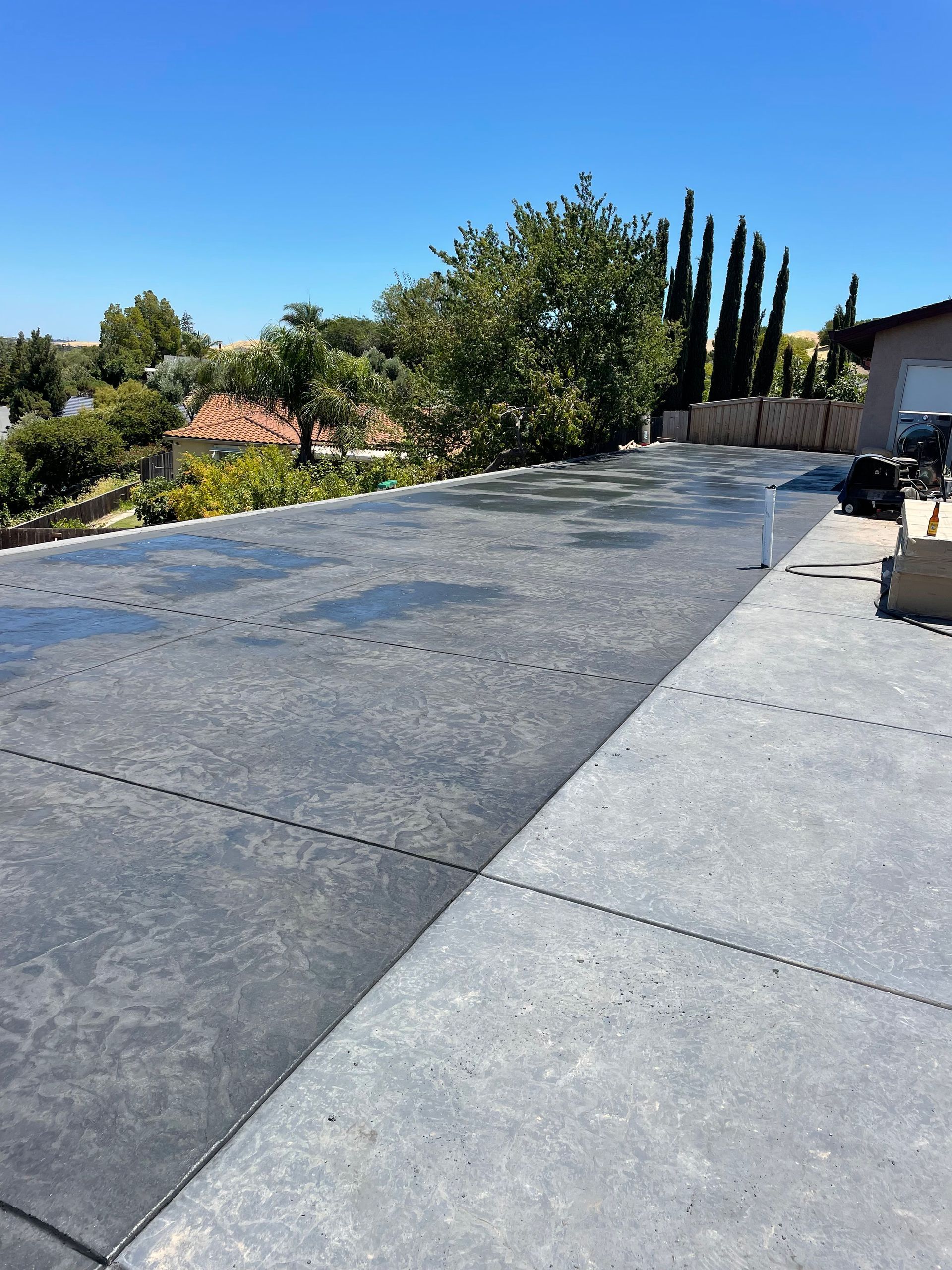
Concrete is a fantastic middle-ground and a popular choice for Bay Area homeowners. It offers a clean, modern look with impressive durability.


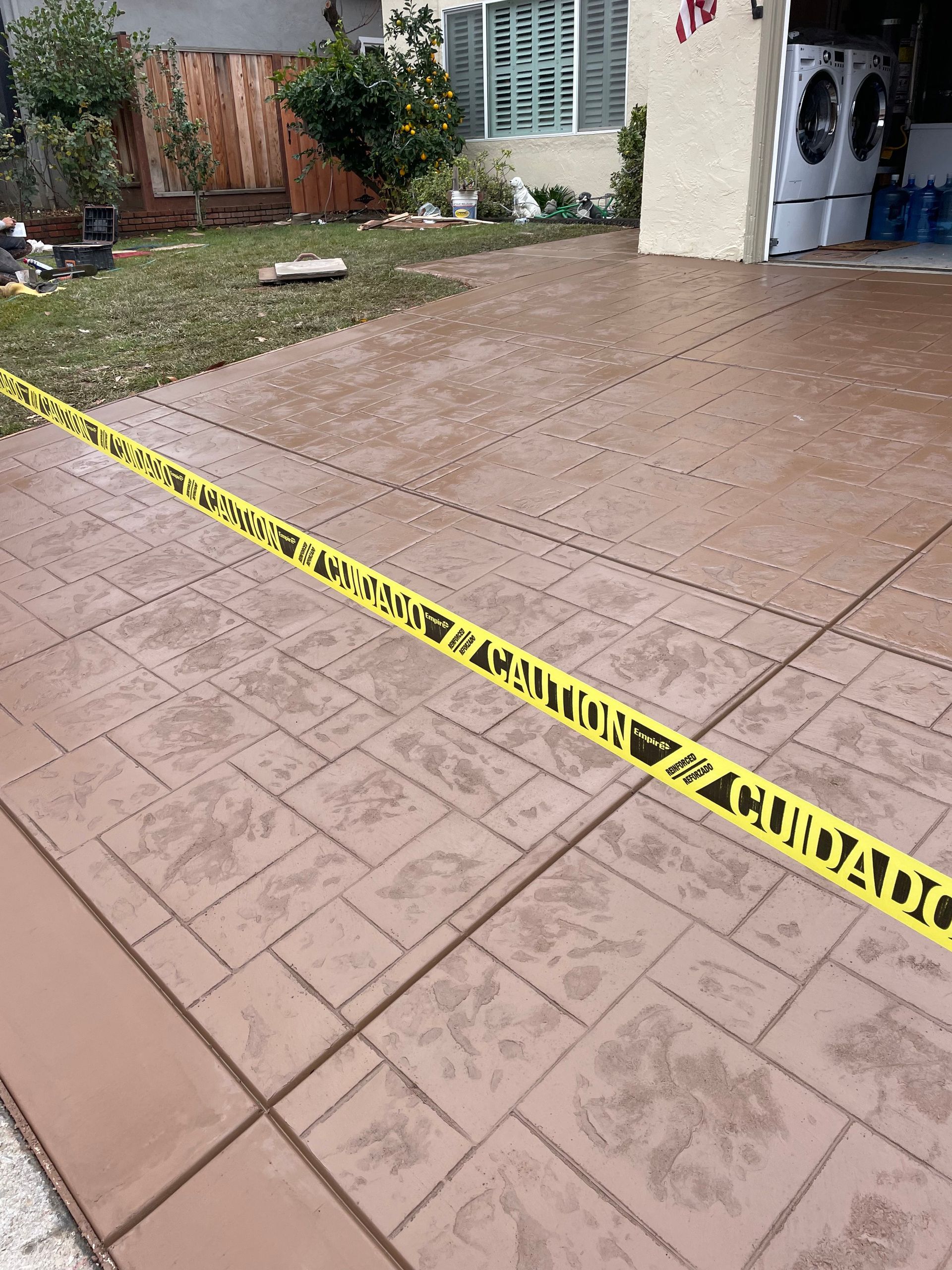
  • Upfront Cost: A new concrete driveway typically costs between $6 and $18 per square foot for a plain broom finish. Decorative, thicker, or reinforced slabs can run $15-$25+ per square foot.
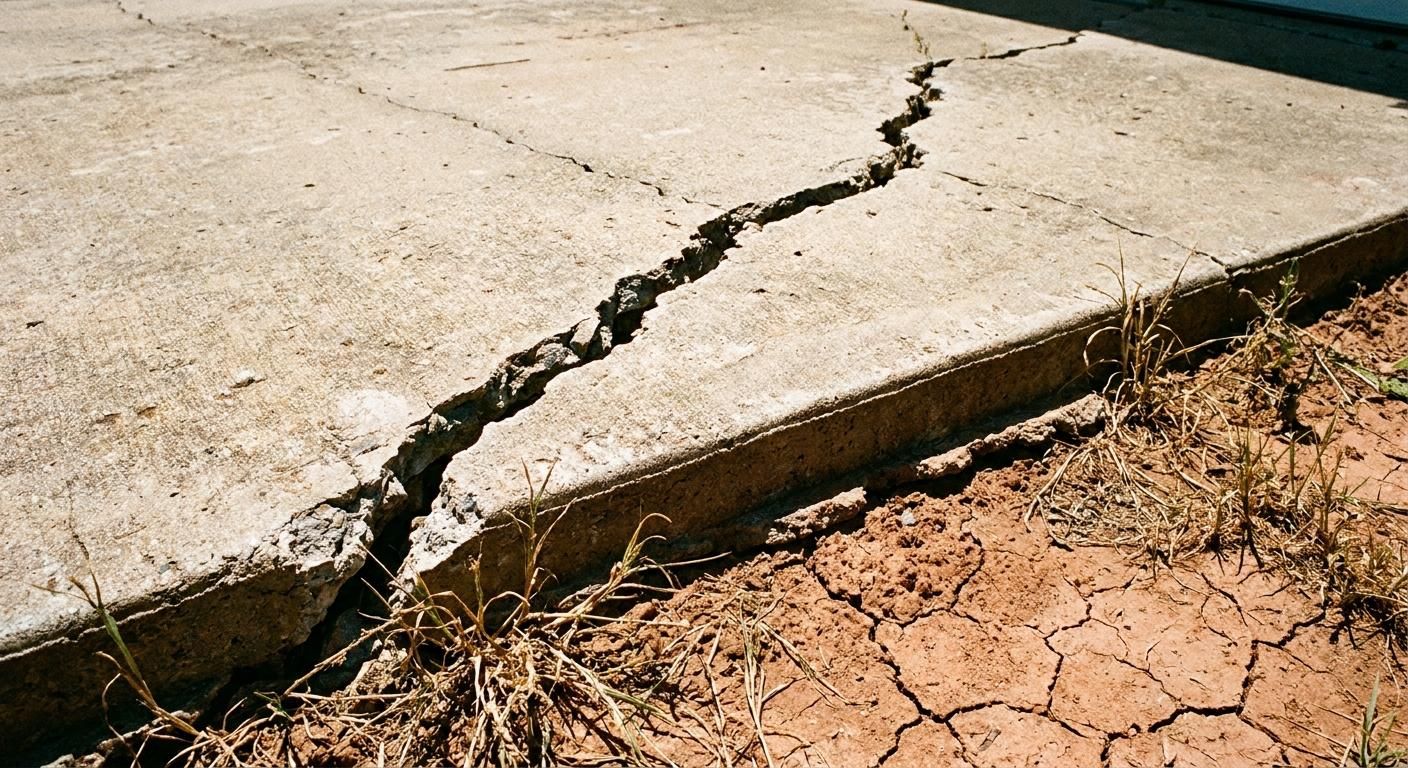
  • Lifespan & Maintenance: With proper installation and drainage, a concrete driveway can last 30-40 years. Concrete requires minimal maintenance: Seal/caulk cracks promptly as they appear and apply an optional penetrating sealer every 3-5 years for added protection.


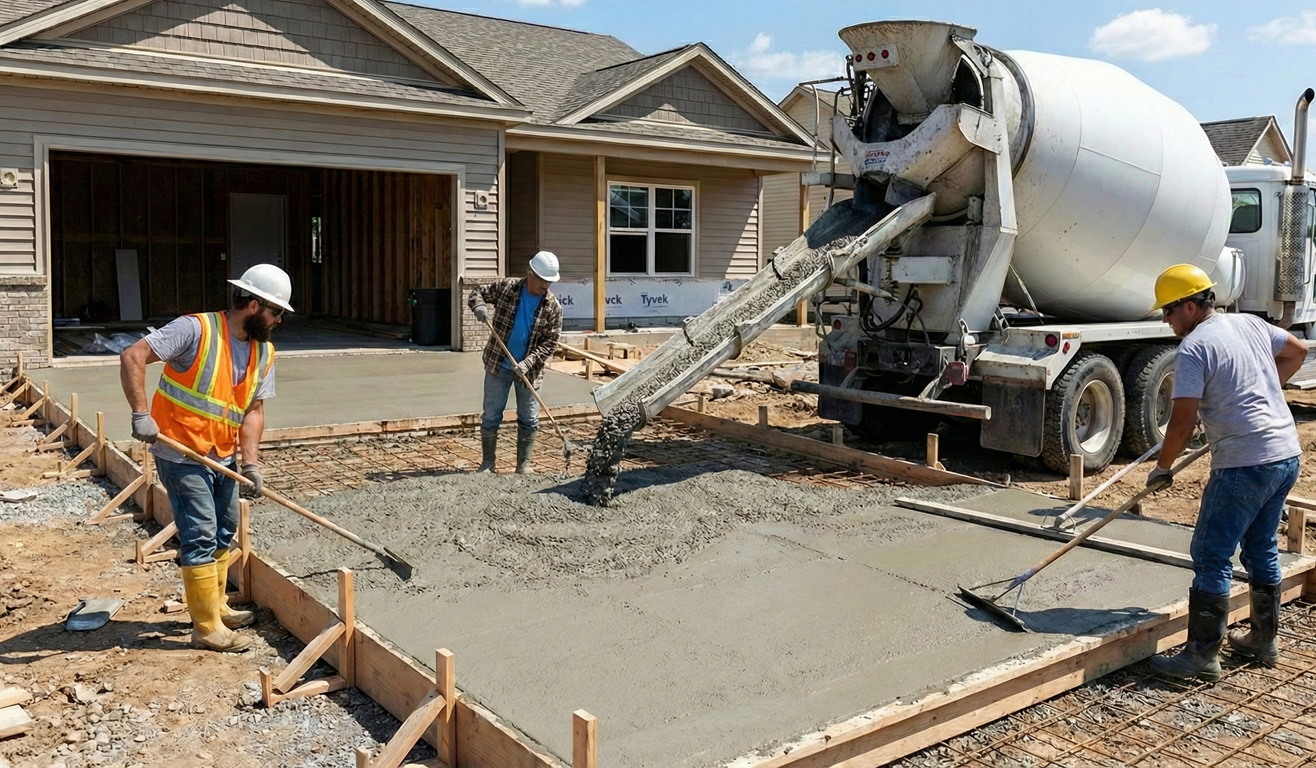
Elite Development Builders’ expertise lies in providing high-quality concrete services. We ensure your driveway isn’t just poured, but engineered for strength and longevity.


Asphalt: The Budget-Friendly Option

Asphalt, often called blacktop, is a common choice for those with a tighter initial budget.


  • Upfront Cost: For full tear-out and replacement in the Bay Area, asphalt typically ranges from $6-$12+ per square foot (overlays are lower).
  • Lifespan & Maintenance: An asphalt driveway usually lasts 15-25 years with regular care. Expect crack filling as needed and sealcoating every 2-4 years to protect against oxidation and moisture.


Paving Stones: The Premium, Long-Lasting Choice

For the ultimate in durability and curb appeal, interlocking pavers are unmatched.


  • Upfront Cost: Pavers are the most significant initial investment, typically ranging from $10 to $40 per square foot depending on the paver type, base depth, and design complexity.
  • Lifespan & Maintenance: Pavers can last 40+ years. They're low-maintenance rather than maintenance-free. Plan on periodic joint sand top-ups, weed control, and occasional re-leveling of small settled areas. Individual stones can be replaced if damaged.


Other Factors That Influence Driveway Paving Costs

Beyond the material, several other elements affect your final quote:


  • Driveway Size and Shape: A long, winding driveway will naturally cost more than a short, straight one due to the increased square footage and labor.
  • Site Preparation: Is there an old driveway that needs to be demolished and hauled away? Does the area need significant excavation or grading to ensure proper drainage? Prep work is crucial and is factored into the cost.
  • Permits: Depending on your location within our service areas, a permit may be required for your project. Permit or encroachment fees often range from $100 to $1,000+ (street apron/sidewalk tie-ins may entail additional requirements). We handle this process to ensure everything is up to code.
  • Labor: The complexity of the installation, from the base preparation to the finishing touches, influence the labor costs.


Elite Development Builders: Honest Pricing, Quality Results

Choosing a new driveway is about more than just the initial cost; it's an investment in your home's value and functionality. While asphalt may be tempting for its low entry price, the long-term maintenance can add up. Concrete and pavers require a larger upfront investment, but offer superior durability and lower lifetime costs.


Elite Development Builders is committed to a transparent and efficient customer experience. From the initial consultation to the final walkthrough, our process is designed to deliver a final product that is built to last and constructed with precision. We use only high-quality materials and proven techniques to ensure your new driveway stands the test of time.


Contact us today for a free, no-obligation quote. Let's build something great together.

February 2, 2026
Learn about 5 of the major retaining wall types: poured concrete, concrete block, timber, stone, & gabion. Find out which suits East Bay hillside properties.
December 1, 2025
What are retaining walls? Discover how these game-changing structures help property owners deal with challenging terrain courtesy of Elite Development Builders.
November 3, 2025
Discover how to install synthetic turf like a pro. Here are the tools, steps, drainage tips, and pro shortcuts you need for Contra Costa County installs.
October 1, 2025
How much does home demolition cost? Elite Development Builders shares cost estimates, expenses you need to be aware of, and how you can save some money.
September 17, 2025
Discover what synthetic turf is, its benefits, installation process, and costs. Learn everything you need to know courtesy of Elite Development Builders.
August 1, 2025
Explore professional building demolition—from planning and permits to safe removal and waste management. Your complete, expert guide.
July 1, 2025
Demolition projects in San Francisco present unique challenges and opportunities for property owners. This guide discusses available demolition services, pricing factors, permit requirements, and essential tips for selecting the right demolition contractor. Whether you are a homeowner, business owner, or facility manager, understanding these key areas is critical for safety, regulatory compliance, and optimal waste management. What Are the Main Types of Demolition Services in San Francisco? Demolition services in San Francisco include various methods adapted for urban properties. The industry is divided into categories covering both residential and commercial projects, as well as selective deconstruction and hazardous material removal. Demolition for Commercial and Residential Properties Commercial and residential demolitions differ in scale, complexity, and regulatory oversight. Commercial projects often involve multi-story buildings or large complexes that require phased removal, specialized equipment, and coordination with local authorities. Residential demolitions are generally smaller, focusing on preserving neighboring structures and handling non-toxic waste. For example, while a multi-story site may need advanced machinery and staggered shifts, a single-family home demolition typically combines manual labor with smaller-scale equipment. Selective and Interior Demolition in San Francisco Selective and interior demolition entails the careful removal of specific building elements while retaining key structural components for reuse or renovation. This approach helps minimize waste and supports sustainable practices. By removing non-load-bearing elements, interior demolition allows remodeling, and selective demolition targets hazardous materials with precision. Contractors use planning techniques like building surveys and digital modeling to ensure only designated parts are removed and the building’s integrity is maintained. Why Is Asbestos Abatement Critical in San Francisco Demolition Projects? Asbestos abatement is essential because inhaling asbestos fibers can cause lung cancer and asbestosis. Many older San Francisco buildings contain asbestos, making its removal mandatory under federal, state, and local guidelines. Certified contractors must follow regulated steps involving encapsulation, removal, and safe disposal to protect workers and residents. A specialized abatement plan must be approved before demolition work on older structures can begin. Site Clearing and Debris Removal: Prepare Construction Sites? Site clearing and debris removal eliminate obstructions and hazardous materials from the demolition phase. This service involves sorting construction waste, recycling salvageable materials, and ensuring a contaminant-free environment. Proper clearing improves safety for subsequent construction and helps developers meet San Francisco’s sustainability and waste management standards. Contractors use heavy machinery and manual labor to separate recyclables from construction debris. How Much Does Demolition Cost in San Francisco?
May 27, 2025
Living in the Bay Area means enjoying stunning views and vibrant communities, but it also means dealing with unique challenges for property owners, including the frustrating issue of concrete cracking. Whether it's your driveway developing spiderweb patterns, your patio forming fissures, or your walkway starting to split, concrete cracks can be both an eyesore and a safety concern. We've seen it all across our concrete, demolition, and synthetic turf projects at Elite Development Builders. After years of helping homeowners throughout the Bay Area, we've compiled this guide to help you understand why concrete cracks in our region and what you can do about it.  Why Bay Area Concrete Is Particularly Vulnerable
April 14, 2025
The Bay Area Concrete Challenge Anyone who's lived in the San Francisco Bay Area knows our region poses specific difficulties for construction projects. From the foggy microclimate of the Richmond District to the sunny slopes of Berkeley Hills, our diverse weather patterns and geological conditions demand specialized knowledge for successful concrete installations. Understanding potential concrete pitfalls can save you thousands in repairs and years of headaches, whether you are planning a new driveway, creating a backyard patio, or laying the foundation for synthetic turf installation. I've spent over a decade observing concrete projects across the Bay, and the same issues appear repeatedly. In this article, let's dive into the seven most common concrete installation problems I've witnessed throughout San Francisco, Oakland, San Jose, and surrounding communities—and more importantly, how to avoid them. Problem #1: Improper Subgrade Preparation Ever notice how some driveways in Marin County crack within months while others last decades? The difference often lies beneath the surface. The Bay Area's soil composition varies dramatically, from the expansive clay soils of the East Bay to the sandy compositions near the coast. When contractors rush through subgrade preparation or fail to account for our specific soil conditions, disaster follows. Proper preparation involves excavating to sufficient depth, installing appropriate base material, and compaction testing, which is especially important before installing heavy synthetic turf backing or preparing for specialized demolition services. When the foundation isn't proper, everything built upon it suffers. Problem #2: Weather-Related Challenges Specific to Bay Area Microclimates "The coldest winter I ever spent was a summer in San Francisco," Mark Twain reportedly said. Our region's famous microclimates create concrete curing nightmares. Morning fog in Daly City, afternoon heat in Livermore, and unexpected rain showers in San Rafael all affect the concrete's curing process. Pour concrete during a foggy San Francisco morning that unexpectedly turns hot, and you might face surface dusting or premature drying. Professional concrete services must include weather monitoring and adaptable scheduling. Occasionally, this means rescheduling pours or using specific admixtures designed for our variable climate conditions. Problem #3: Inadequate Drainage Solutions Our distinct rainy season makes proper drainage non-negotiable for Bay Area concrete work. The sloped terrain throughout Berkeley, Oakland Hills, and parts of San Francisco creates natural water pathways that, if ignored, will undermine concrete installations. Water is concrete's long-term enemy, gradually eroding support and creating voids beneath slabs. Before demolition services, remove old concrete or synthetic turf, and installation begins, and comprehensive drainage planning should account for typical winter rainfall and our increasingly common atmospheric river events. Such plans might include French drains, properly positioned downspouts, or permeable solutions integrated with hardscaping. Problem #4: Cracking and Surface Defects Some cracking is inevitable in concrete—it's the nature of the material. But excessive or structural cracking is preventable. The Bay Area's seismic activity makes proper reinforcement critical. I've inspected countless concrete patios where contractors skimped on rebar placement or used inadequate wire mesh. These installations crack prematurely when our minor earthquakes hit or seasonal ground movement occurs. Our significant temperature fluctuations—particularly in inland areas like Concord or Pleasanton—also create expansion and contraction cycles that stress concrete. Professional installation includes properly spaced control joints that allow concrete to crack where planned rather than randomly across the surface. Before synthetic turf installation over concrete bases or after demolition services, clear existing structures, and ensure your contractor has a comprehensive reinforcement and joint placement plan specific to your property's conditions. Problem #5: Discoloration and Finishing Issues Nothing disappoints homeowners more than concrete that looks blotchy or inconsistent. The Bay Area's varying humidity levels make consistent concrete finishing particularly challenging. Professional concrete services include careful timing of finishing procedures and consistent application of techniques across the entire project. Whether it's a simple brushed finish before synthetic turf installation or decorative exposed aggregate for a garden path, consistency requires expertise and patience. Problem #6: Poor Joint Placement and Design Control and expansion joints may seem like minor details, but they're crucial for concrete longevity in our region. Many contractors use outdated joint placement formulas that don't account for the Bay Area's unique conditions. I've seen beautiful concrete walkways ruined by improper jointing, leading to random cracking across decorative surfaces. Professional installation requires strategic joint placement based on slab dimensions, thickness, and surrounding structures. This step becomes especially important when concrete borders other materials or when preparing bases for synthetic turf installation. Problem #7: Permit and Compliance Issues San Francisco and surrounding cities have some of California's most stringent building codes and permitting requirements. Unpermitted concrete work can lead to serious consequences, primarily when water runoff affects neighboring properties. The resulting fines and required modifications often cost far more than doing the job correctly from the start. The Elite Development Builders Difference After years in the industry, I've found that most of these common concrete problems stem from the exact root causes: inadequate preparation, lack of regional knowledge, and cutting corners to save time or money. Elite Development Builders approaches Bay Area concrete services differently. Their team combines comprehensive concrete services, professional demolition services, and synthetic turf installation expertise with deep knowledge of our region's unique challenges. Their project managers analyze soil conditions specific to your property, plan drainage systems appropriate for your microclimate, and ensure all work meets or exceeds local building codes. Their crews understand the interaction between concrete foundations and synthetic turf systems, creating seamless transitions and lasting installations. How to Take the Next Step Whether you're planning a complete backyard transformation with concrete work and synthetic turf installation, need demolition services for an outdated patio, or want to ensure your next concrete project stands the test of time, starting with proper information makes all the difference. Consider scheduling a consultation with Elite Development Builders to evaluate your specific property conditions and create a customized plan that addresses these common problems before they occur. Their comprehensive approach to concrete services, demolition, and synthetic turf installation guarantees a well-coordinated project from beginning to end.  Don't let your concrete project become another Bay Area cautionary tale. With the right expertise and planning, your installation can provide decades of beauty and functionality, regardless of what our unique climate and conditions throw at it.