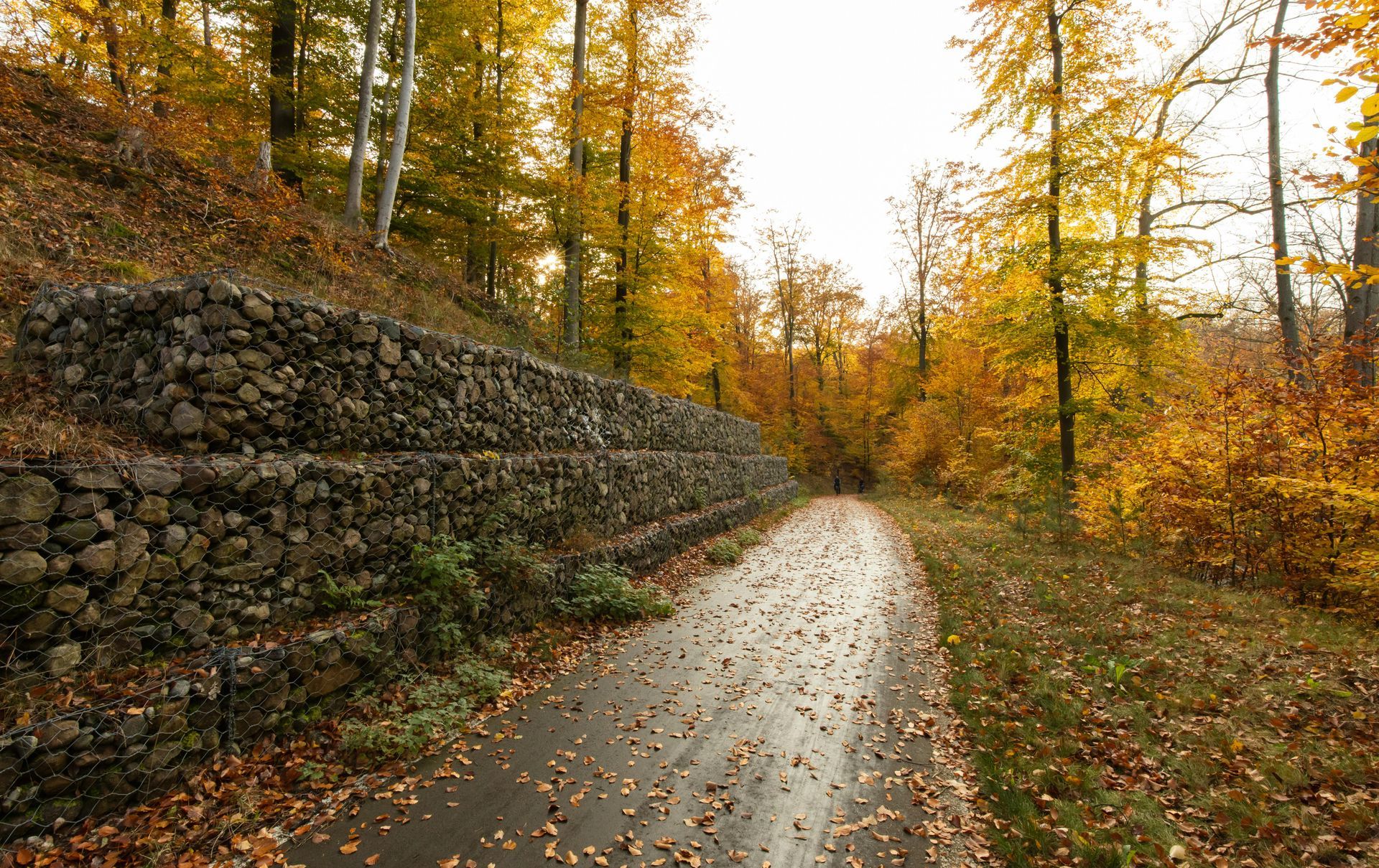
Retaining Wall Drainage: How To Prevent Water Damage Behind Your Wall
Retaining wall drainage prevents hydrostatic pressure from building behind the wall, which is a primary cause of retaining wall failure. A properly designed drainage system includes gravel backfill, a perforated drain pipe at the base, and weep holes spaced every 4 to 6 feet. Elite Development Builders installs retaining walls with integrated drainage across the East Bay and Contra Costa County.
Most homeowners who notice a leaning or cracking retaining wall assume the wall itself is the problem. It's usually not the structure that's failing, but the water trapped behind it. Without proper drainage, saturated soil can double or triple the lateral pressure on a wall that was never designed to hold back water.
How Hydrostatic Pressure Destroys Retaining Walls
When rain saturates the soil behind a retaining wall, water fills the gaps between soil particles and creates hydrostatic pressure, a horizontal force that pushes against the wall face. In the East Bay, where atmospheric river storms can dump several inches of rain in 24 hours, this pressure builds fast.
East Bay clay soil makes the problem worse. Clay holds moisture far longer than sandy or loamy soils, keeping pressure elevated for days after a storm passes. A retaining wall in Lafayette or Orinda sitting against clay backfill without drainage carries a more sustained load than the same wall built in sandy coastal soil.
The failure pattern is predictable: the wall tilts outward at the top, horizontal cracks appear along mortar joints, and the base begins to shift. By the time these signs are visible, internal damage has already progressed.
Three Drainage Components Every Retaining Wall Needs
Effective retaining wall drainage combines three elements that work together:
- Gravel backfill layer: A 12-inch zone of clean crushed gravel directly behind the wall creates a free-draining channel, preventing soil from sitting against the wall face. This layer intercepts groundwater before it builds pressure.
- Perforated drain pipe: A 4-inch perforated pipe at the wall's base, wrapped in filter fabric, collects water from the gravel layer and routes it to a daylight outlet or storm drain. The pipe must have a slope of at least 1% to prevent standing water.
- Weep holes: Openings spaced every 4 to 6 feet along the wall's lower course allow trapped water to escape through the face. Weep holes serve as a secondary relief system when the drain pipe can't handle peak flow during heavy storms.
Elite Development Builders designs retaining walls with all three drainage components integrated from the start. Retrofitting drainage into an existing wall costs two to three times more than including it during construction.
Signs Your Retaining Wall Drainage Is Failing
These warning signs indicate water is accumulating behind your wall and the drainage system isn't performing:
- Visible water staining or mineral deposits on the wall face
- Soil erosion at the base where water is pooling or escaping
- The wall leaning or tilting more than 1 inch per foot of height
- Cracks widening over time, particularly horizontal cracks along joints
If your wall shows two or more of these signs, the drainage system is either blocked, undersized, or missing entirely. In Contra Costa County's hillside communities, different types of retaining walls require different drainage configurations based on slope angle and soil composition.
Frequently Asked Questions
What happens if a retaining wall has no drainage?
Without drainage, water pressure accumulates behind the wall, increasing the lateral load beyond what the structure can handle. Over time, this causes tilting, cracking, and eventual collapse. In the East Bay's clay soil, walls without drainage often show signs of failure within 5 to 10 years of construction.
Can I add drainage to an existing retaining wall?
Retrofitting drainage is possible but expensive. The process requires excavating behind the wall, installing gravel backfill and a perforated drain pipe, then recompacting the soil. This typically costs $50 to $100 per linear foot, which is two to three times more than including drainage during initial construction.
How often should retaining wall drainage be inspected?
Inspect your drainage system annually, ideally before the Bay Area's rainy season begins in November. Check weep holes for blockages, look for new soil erosion near the base, and confirm that drain pipe outlets are clear. Elite Development Builders offers drainage assessments for Lafayette and the surrounding East Bay communities.
Keep Your Wall Standing Strong
The structural integrity of a retaining wall depends as much on what happens behind it as what you see from the front. Proper drainage isn't an optional add-on; it's the most critical factor in long-term wall performance.
Contact Elite Development Builders online or call (192) 5504 7086 for a free consultation on retaining wall drainage for your East Bay property.