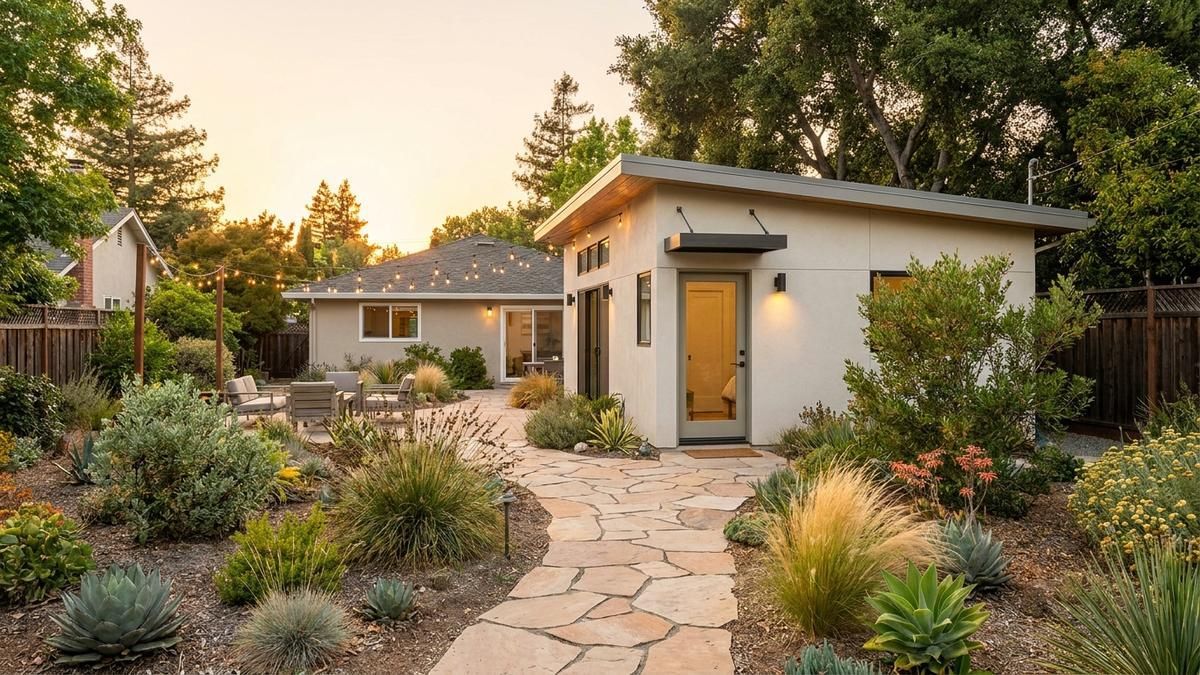

ADU vs Home Addition: Which Is the Better Investment?
Choosing between an ADU and a home addition comes down to cost, rental income, and long-term value. Detached ADUs in the Bay Area run $300 to $500 per square foot, while room additions range from $250 to $400. The upfront difference in cost is smaller than most homeowners expect, and only the ADU can earn it back.
Elite Development Builders builds ADUs across Contra Costa County and manages the permitting in-house. Our single-contractor setup keeps an ADU on schedule by closing the coordination gaps between architect, permit expediter, and builder that routinely add months to East Bay projects.
Most homeowners assume an addition is always the cheaper route. That math shifts when a one-bedroom ADU in Walnut Creek or Lafayette generates $1,800 to $2,500 per month in rental income that a room addition never produces. This comparison explains what each option costs, the rental income gap, and how permitting timelines differ across Contra Costa County.
What Each Option Costs in the Bay Area
The cost gap between an ADU and a home addition is smaller than most homeowners expect. The real difference shows up after construction, when one option starts generating income and the other does not. Here is how the numbers break down for a typical East Bay project.
ADU Construction Costs
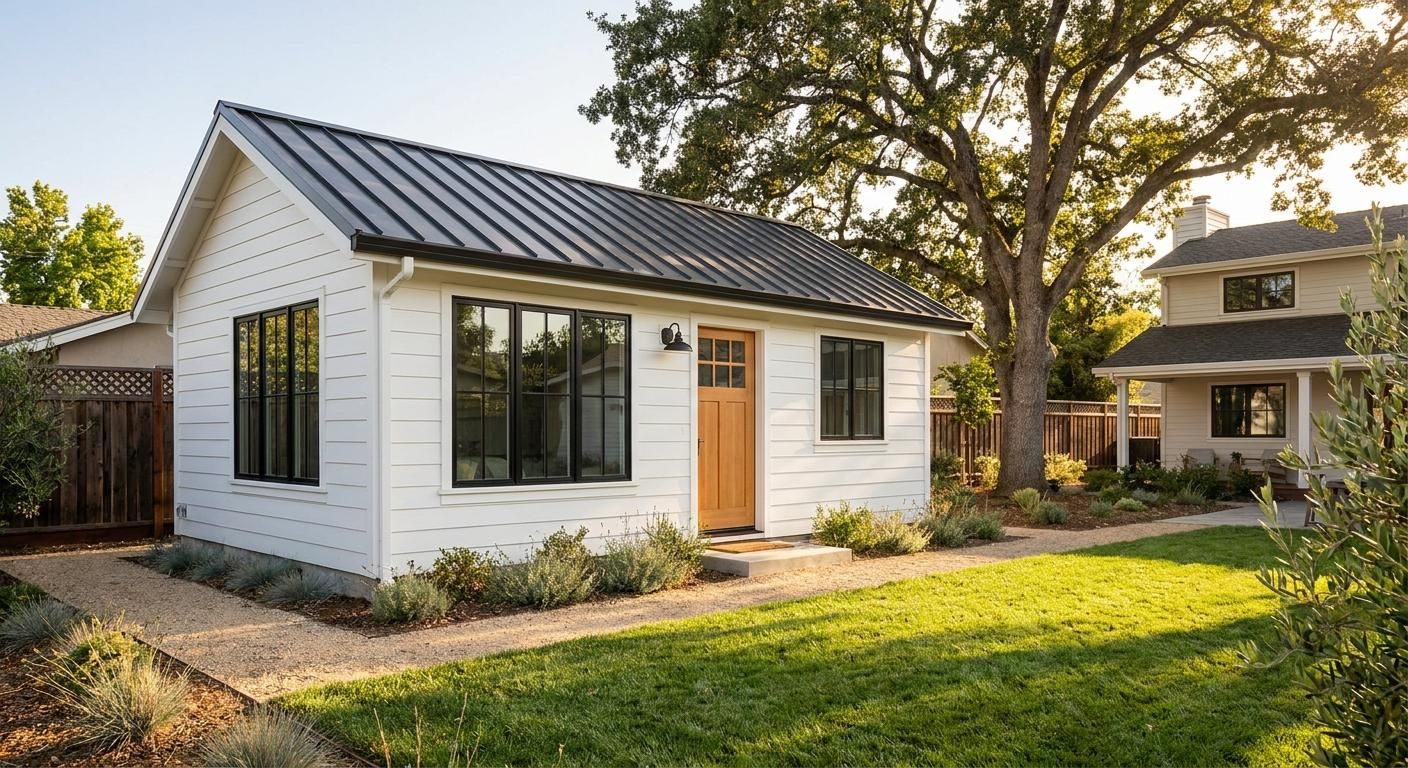
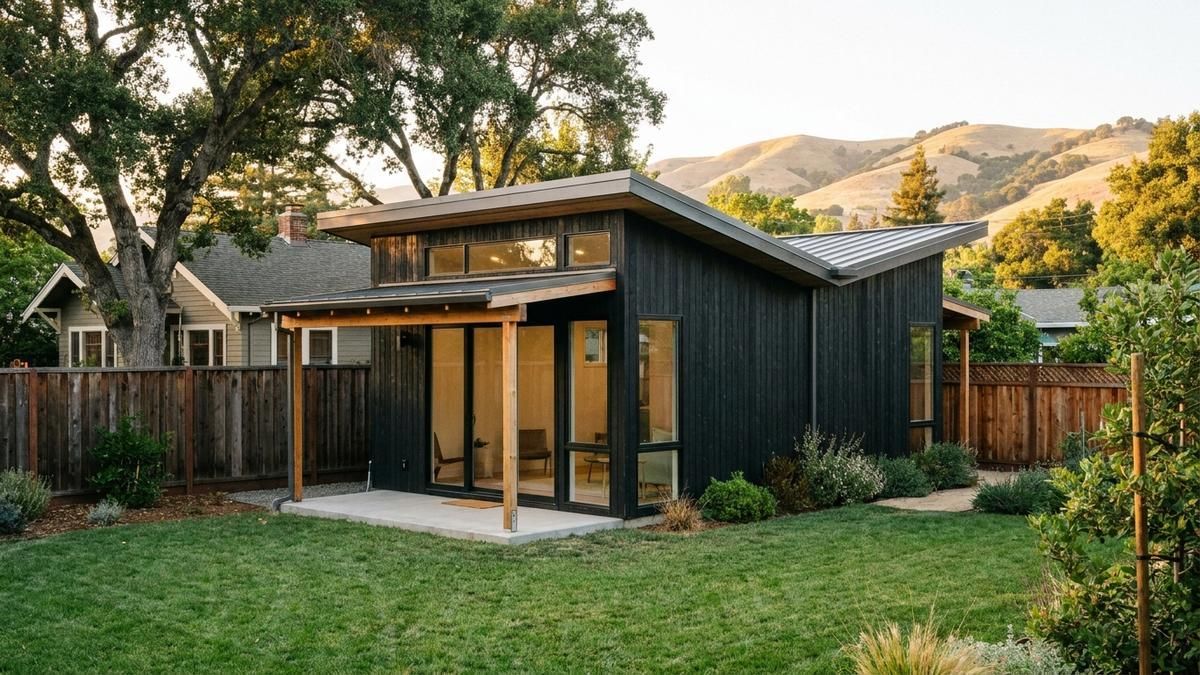
Detached ADUs in Contra Costa County run $300 to $500 per square foot, putting a 500-square-foot one-bedroom unit between $150,000 and $250,000. Garage conversions cost less at $200 to $400 per square foot because the existing structure handles foundation and framing, though they may involve some demolition of interior walls. Permit fees, utility connections, and design plans add $15,000 to $40,000 on top of construction.
Home Addition Costs
Room additions in the Bay Area run $250 to $400 per square foot. A 500-square-foot bedroom or family room addition typically costs $125,000 to $200,000. Additions share your home's existing HVAC, plumbing, and electrical, which reduces the base price. Since additions modify your home's interior structure, they require a general remodeling contractor with interior build experience.
Rental Income and Long-Term ROI
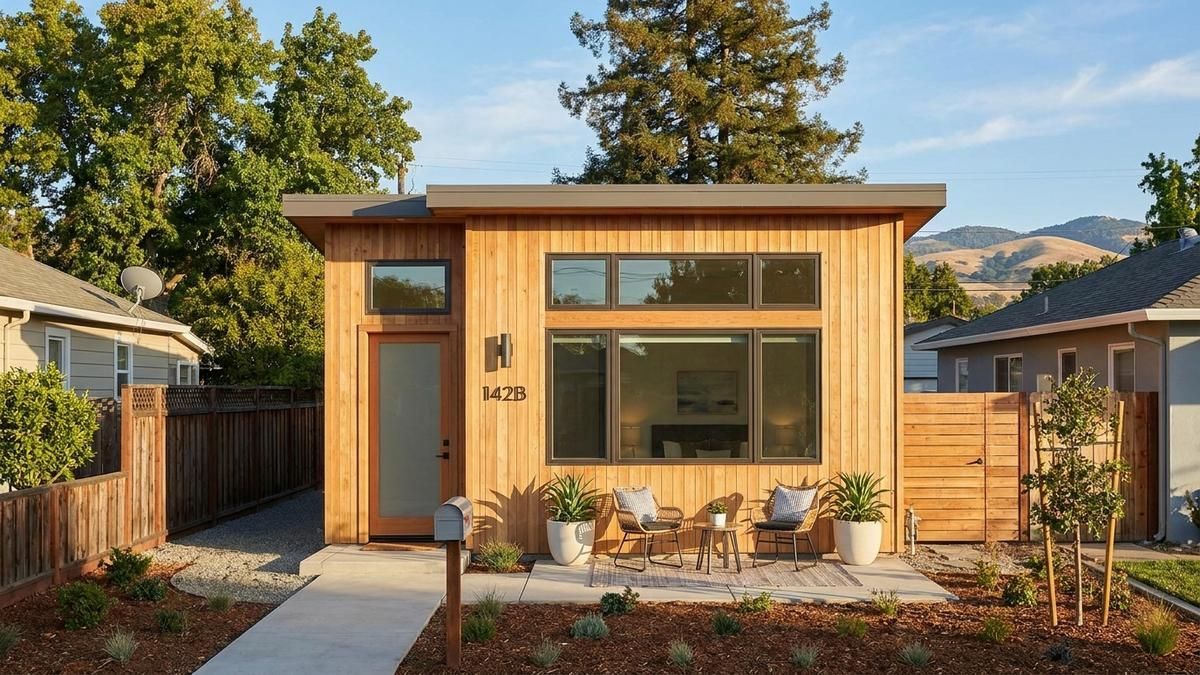
A one-bedroom ADU in Walnut Creek rents for $1,800 to $2,500 per month. In Lafayette, where BART access and strong school ratings push demand higher, that range reaches $2,200 to $2,800. Over five years, a $200,000 ADU generating $2,000 per month produces $120,000 in gross rental income, recovering more than half of the building cost before accounting for property value gains.
A home addition increases your resale value by roughly 50% to 65% of the project cost but generates zero monthly income. For homeowners weighing a $200,000 ADU against a $175,000 addition, the ADU's rental stream typically recovers the cost difference within two to three years. California's housing shortage continues to push East Bay rental demand higher, which strengthens the income case for ADUs over additions across Contra Costa County.
Permits and Timeline in Contra Costa County
California law requires cities to process ADU permits within 60 days of a complete application. In practice, Walnut Creek's review typically runs five to seven weeks. Most Contra Costa County jurisdictions follow a similar pace. The 60-day clock starts when the city deems your application complete, so submitting a thorough package upfront avoids resubmittal delays. From design through construction, a full ADU project takes six to eighteen months.
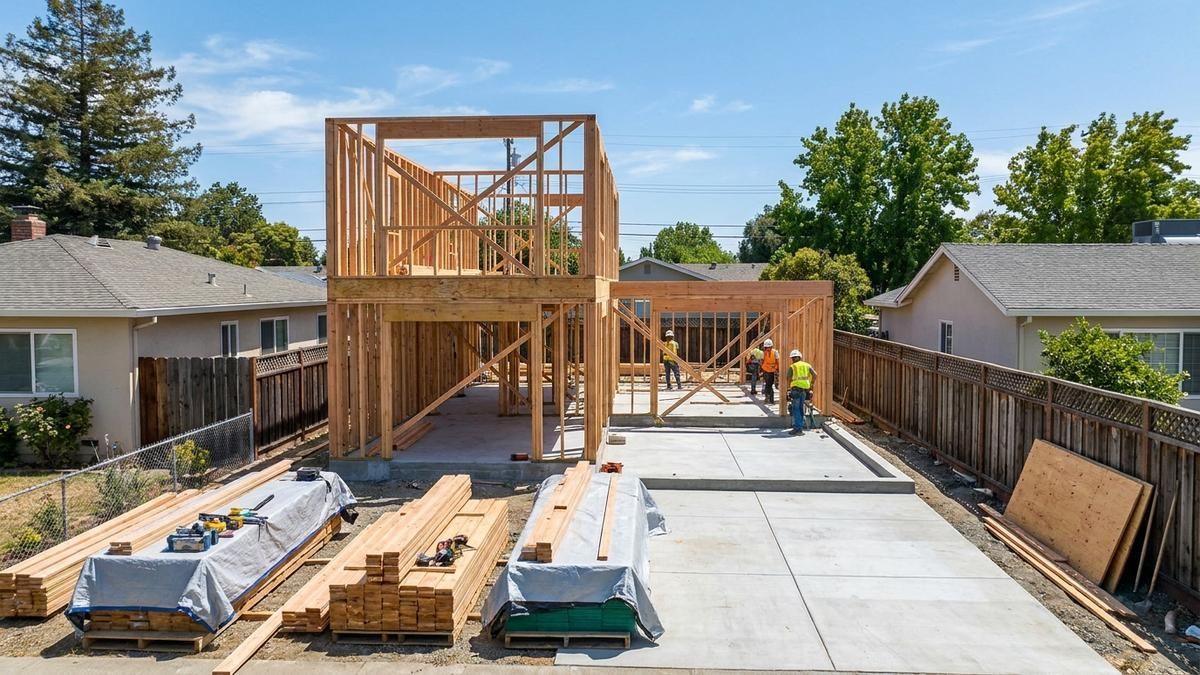
Home additions follow standard building permit timelines, which vary more by municipality and project complexity. Second-story additions or projects on sloped lots often require structural engineering review, pushing total timelines to twelve to eighteen months.
Having a single contractor manage both permitting and construction for your ADU eliminates the coordination gaps between architect, permit expediter, and builder that commonly add months to East Bay projects.
Frequently Asked Questions
Is it cheaper to build an ADU or add an addition?
Additions usually cost less upfront because they share your home's existing foundation, plumbing, and HVAC systems. An ADU's higher construction cost is offset by rental income that can recover the price difference within two to three years, making it the stronger long-term investment for most Bay Area homeowners.
Does an ADU increase property value more than an addition?
ADUs in the Bay Area typically add $100,000 to $200,000 in property value, and units with documented rental history perform even better at resale. In BART-connected East Bay communities like Walnut Creek and Lafayette , the rental income potential makes ADUs especially attractive to buyers.
Can you build an attached ADU in California?
Yes. California allows attached, detached, and garage-conversion ADUs on most single-family lots. An attached ADU connects directly to your home but maintains its own separate entrance, kitchen, and bathroom. Elite Development Builders builds both attached and detached ADUs across Contra Costa County.
Plan Your East Bay Property Investment
An addition adds square footage to your home. An ADU adds square footage, rental income, and a separate living unit that works as a long-term financial asset. For East Bay homeowners with the lot space, a well-built ADU is one of the highest-return property investments available in Contra Costa County. And because California law has streamlined ADU permitting, the process is faster and more predictable than a comparable home addition.
To start planning your ADU project, contact Elite Development Builders online for a free estimate or call (925) 504-7086 .