
Backyard ADU California: Rules Costs and What Homeowners Need to Know

June 2, 2026

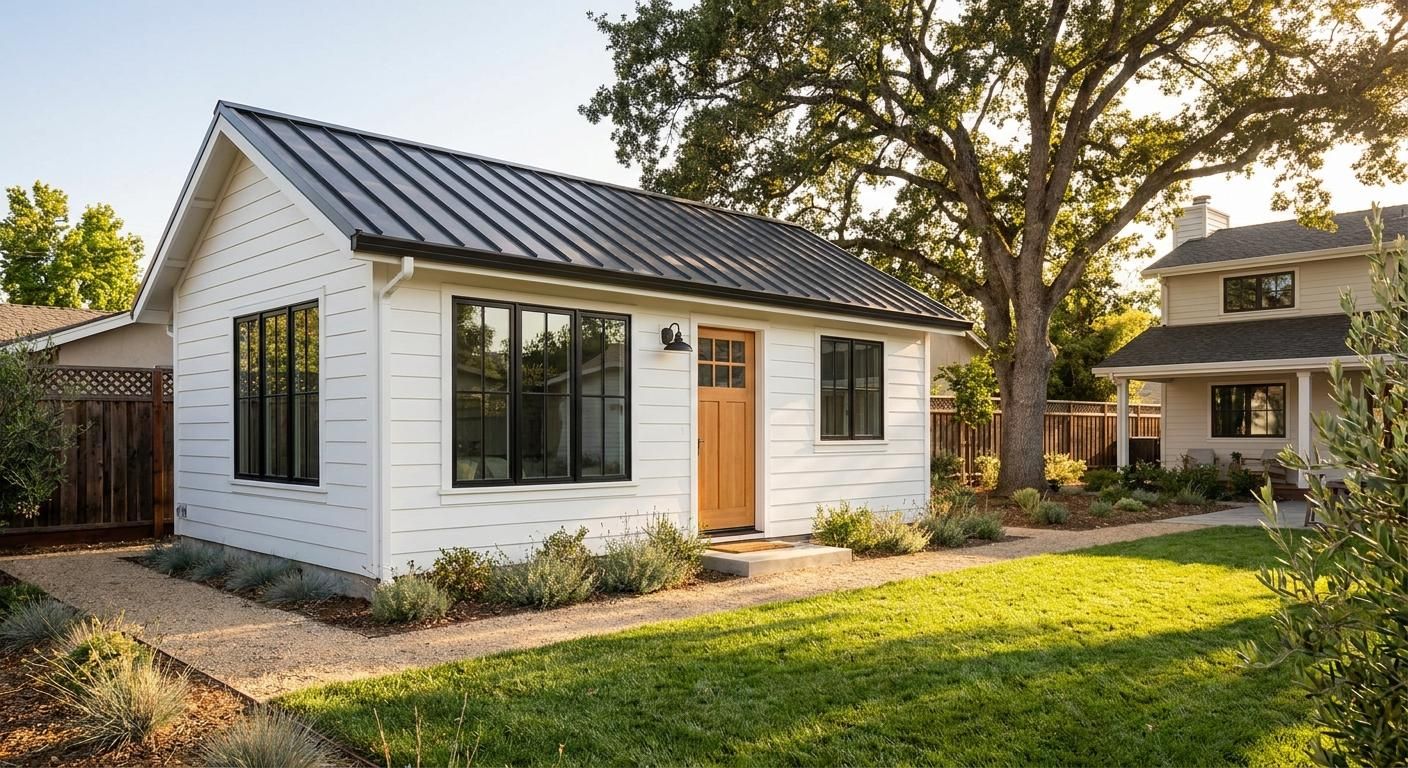
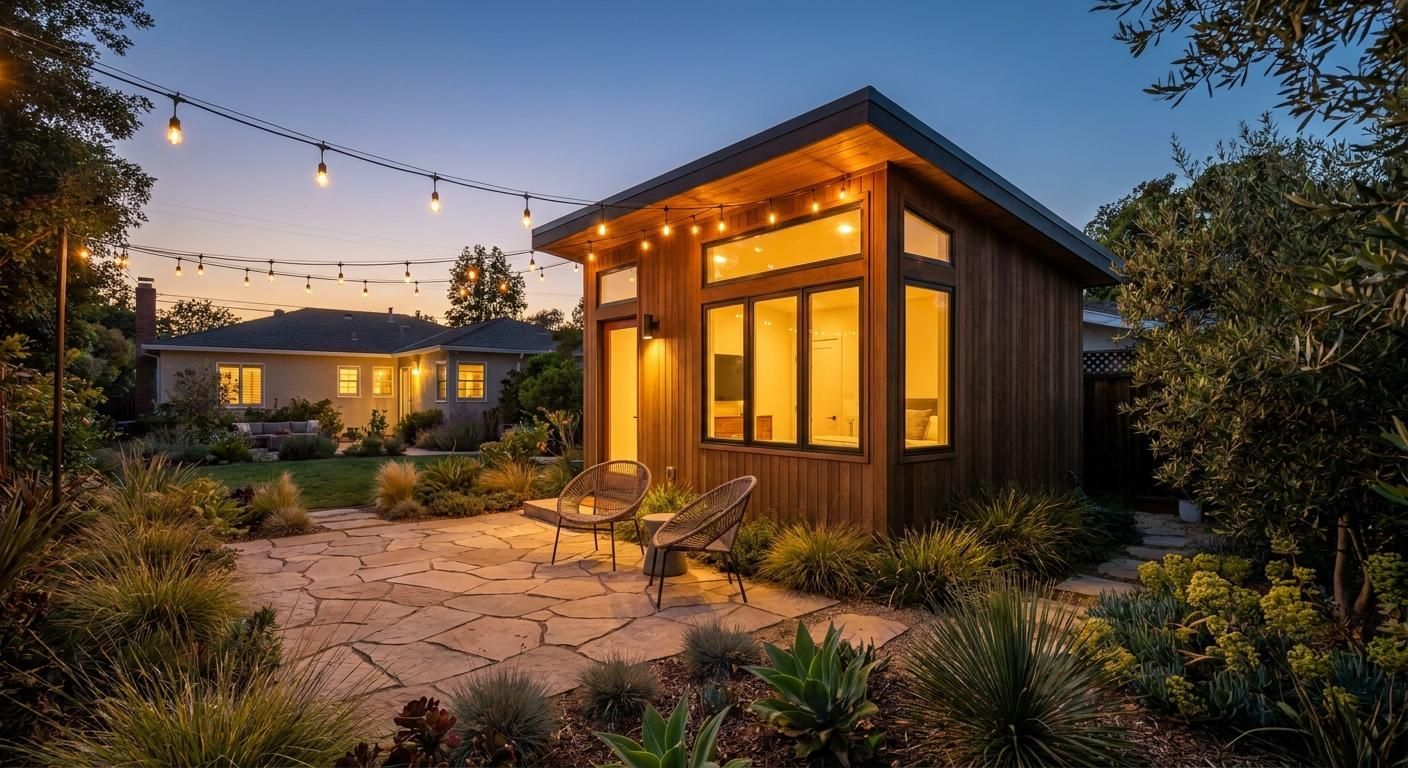
A backyard ADU in California is a fully independent living unit built on the same lot as your main home. It has its own kitchen, bathroom, and sleeping space. State law now makes it easier to get a permit for an ADU than at any point in the past decade.

Across Contra Costa County, the deep backyards of Walnut Creek, Danville, and Lafayette were built for lawns that today's water bills no longer justify. That space is exactly what California's ADU laws were written to unlock, turning an underused yard into rental income or a room for family. As a licensed outdoor construction contractor handling these builds from permits to completion, Elite Development Builders fields the same questions on every estimate. In this post, we cover what the rules allow, what a backyard ADU costs here, and how permitting really works.

What Counts as a Backyard ADU in California?

A backyard ADU, short for accessory dwelling unit, is a self-contained home on the same parcel of land as your primary residence. California recognizes a few distinct types of ADU. The one you choose shapes everything from cost to permitting:

  • Detached ADU: a standalone structure in the backyard, the classic backyard ADU
  • Attached ADU: new living space that shares at least one wall with the main house
  • Garage conversion: an existing garage turned into living space, often the most affordable route (see our garage conversion cost guide to learn more)
  • Junior ADU (JADU): up to 500 square feet created within the existing home's footprint

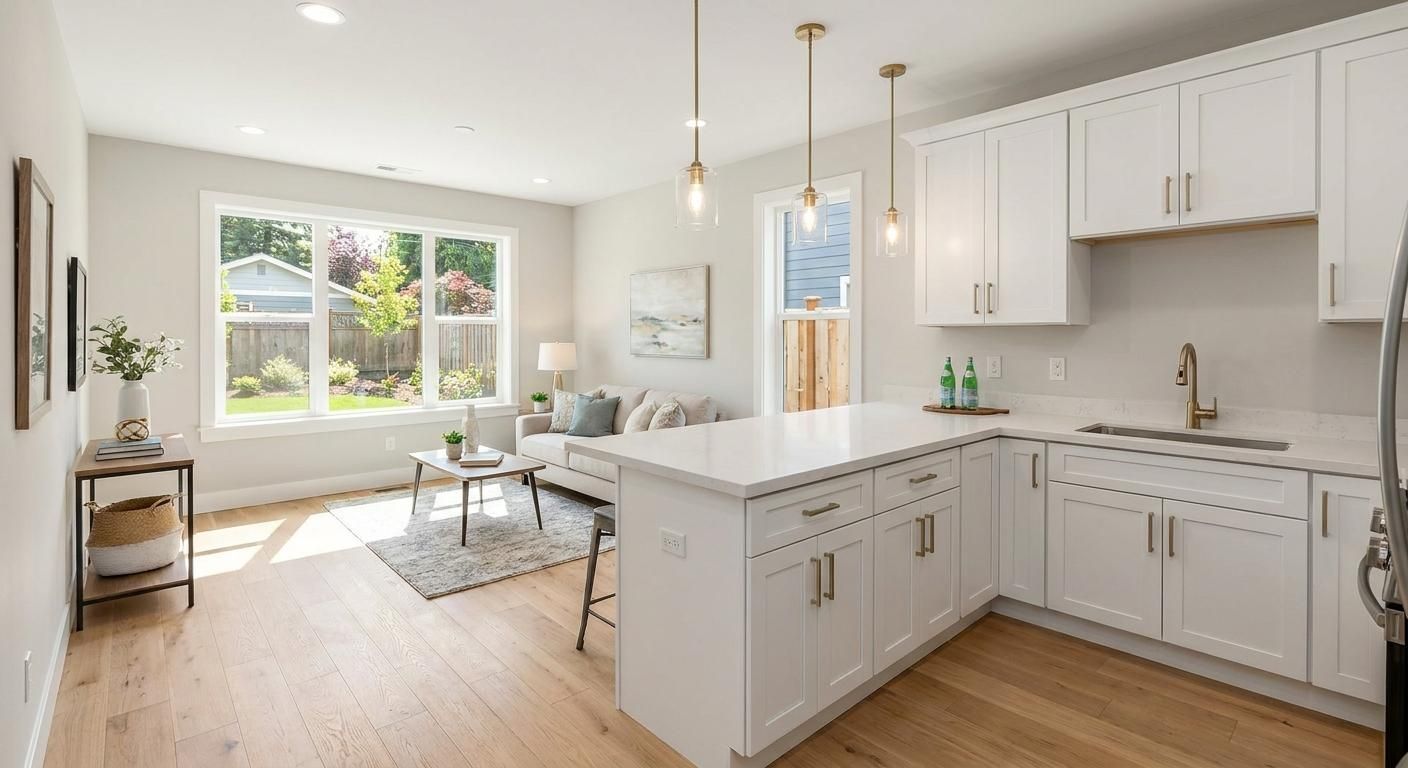
Each type must include independent living facilities, a kitchen, a bathroom, and a place to sleep, to qualify as an ADU under state law.

California ADU Rules Every Homeowner Should Know

California has spent the last several years dismantling the local barriers that once made ADUs hard to build. State law, including AB 68 and related housing bills, now sets baseline rights your city cannot override:

  • Size: detached ADUs up to 1,200 square feet are allowed, and a city's lot-size or coverage rules can't be used to block at least an 800-square-foot unit
  • Setbacks: as little as 4 feet from your side and rear property lines
  • Approval: agencies must approve or deny a complete application within 60 days, ministerially, with no discretionary hearing. As of 2026, if the city misses that deadline, the application is automatically approved
  • Owner-occupancy: California has permanently eliminated the owner-occupancy requirement for standard ADUs, so you can rent out both the ADU and your main house (Junior ADUs are the exception and still require the owner to live on the property)
  • Parking: no replacement parking can be required within a half-mile of transit

Contra Costa County and its cities layer their own standards on top, but they cannot fall below these state minimums.

How Much Does a Backyard ADU Cost in the East Bay?

The costs to build an ADU in the backyard vary widely by type, size, and finishes. Based on Bay Area labor rates and recent projects, here are realistic price ranges you can use for planning:

ADU Type Typical East Bay Cost
Garage conversion $120,000 - $200,000
Attached ADU $150,000 - $350,000
Detached new-build $250,000 - $500,000+

Detached units typically run about $300 to $500 per square foot once design, permits, and site work are factored in.

The Permitting Process in Contra Costa County

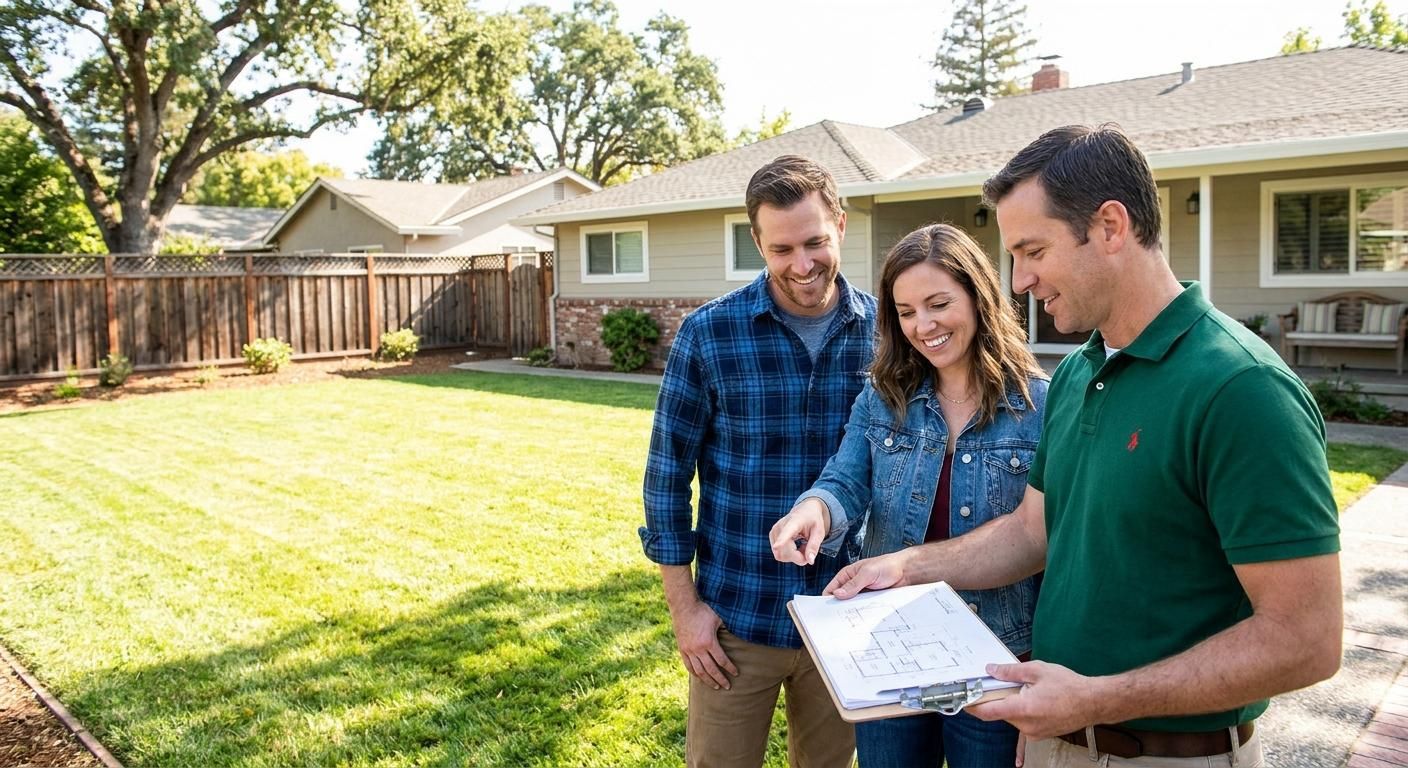
Permitting is where many backyard ADU projects stall, and where having it handled for you pays off. The path generally follows a predictable sequence:

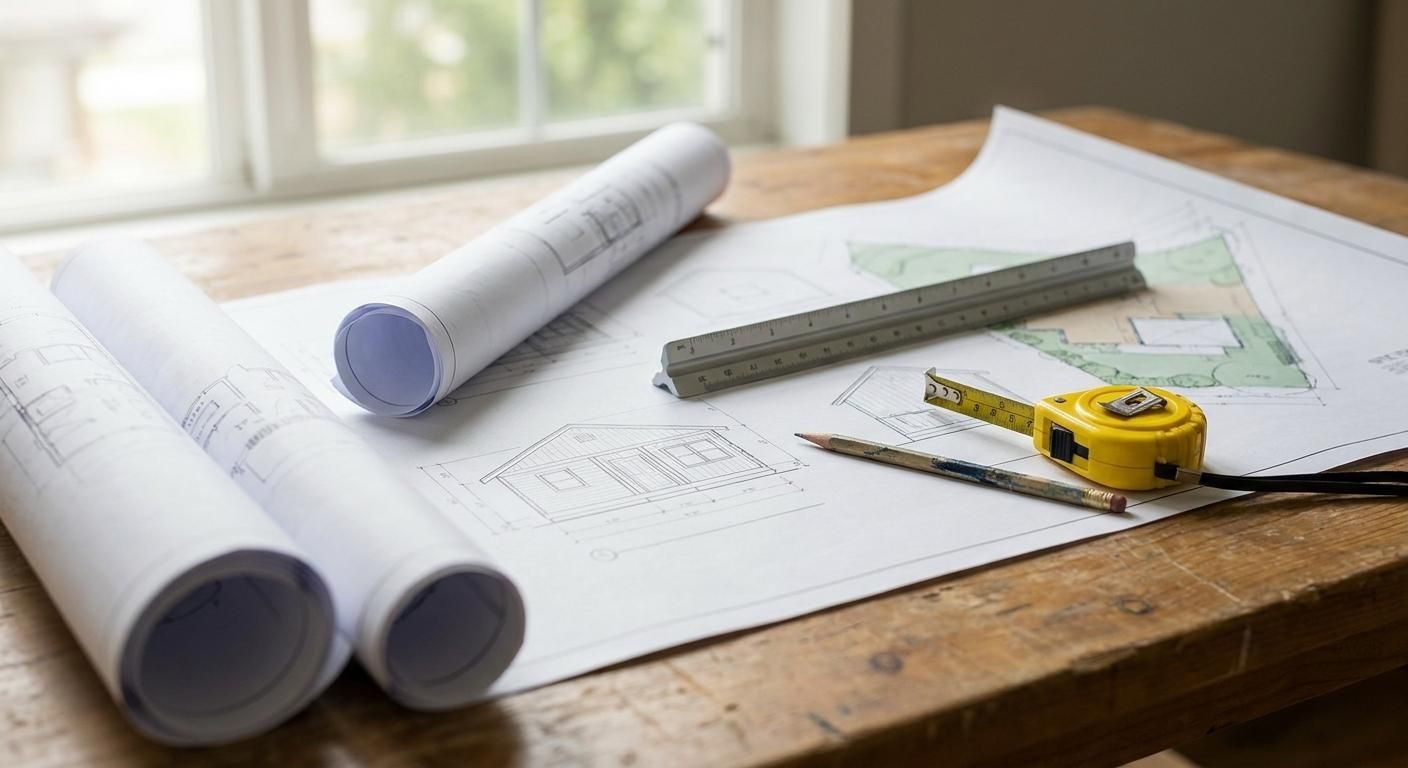
  • A design and site plan showing setbacks, utilities, and the unit's footprint.
  • Submittal to your city or county building department for plan check.
  • Ministerial review, which state law caps at 60 days for a complete application.
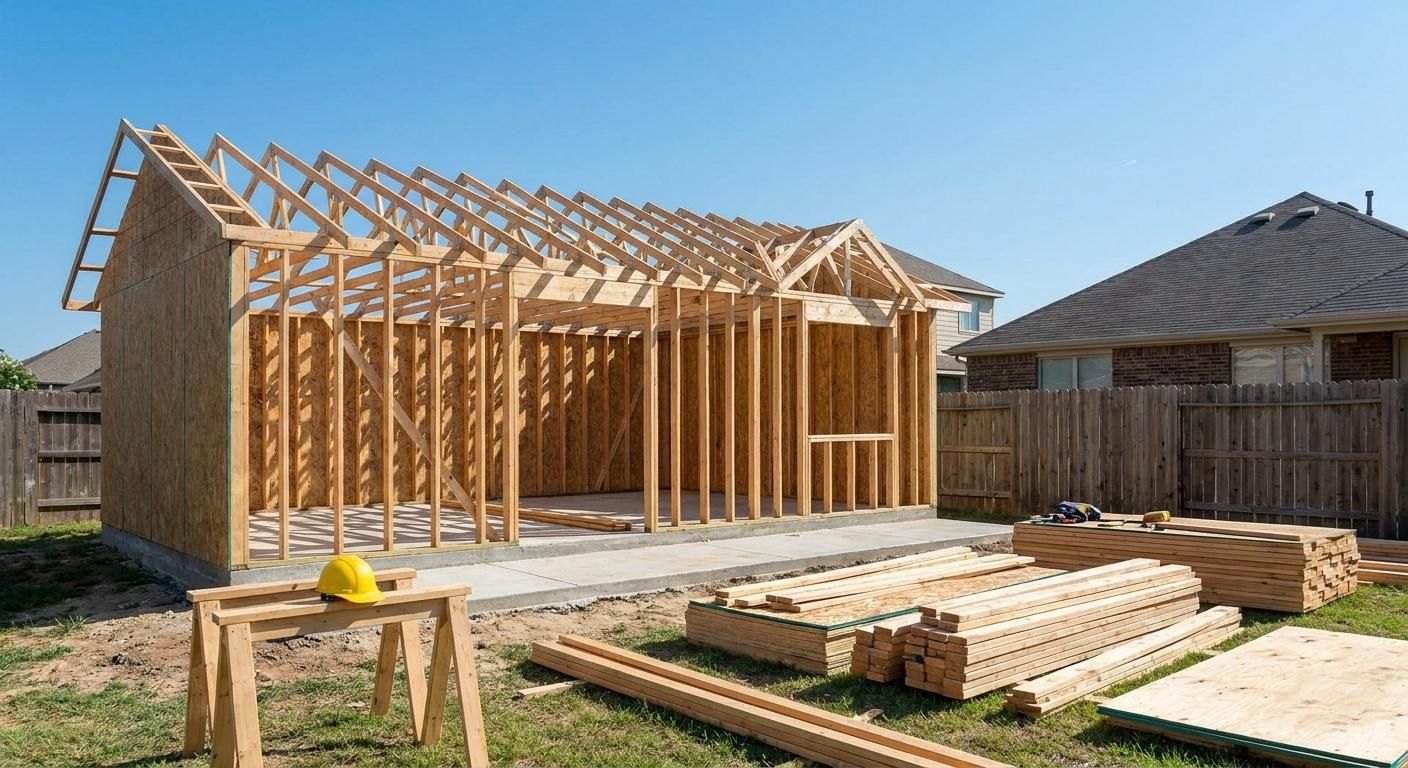
  • Permit issuance, construction, and inspections through final sign-off.

Because we manage the project from permits to completion, homeowners skip the back-and-forth that delays so many builds and keep one accountable team on the job from start to finish.

Is a Backyard ADU Worth It in the East Bay

For most East Bay homeowners, ADUs offer two types of returns: rental income and property value. In BART-served cities like Walnut Creek, Lafayette, and Orinda, demand for separate, private living space runs especially high, for both tenants and aging parents. Concord homeowners benefit from faster, cheaper approvals. The city is one of the more ADU-friendly jurisdictions in Contra Costa County, which means residents can invest more in the actual build rather than paying city fees.

In a high-cost housing market like the Bay Area, a well-built backyard ADU is a rare investment: it pays for itself over time while giving your family decades of flexible living space.

Frequently Asked Questions

Can I build an ADU in my backyard in California?

Yes. California law gives homeowners the right to build at least one ADU on most residential lots, and cities cannot prohibit them outright. A detached backyard unit is the most common type, subject to standard setback, height, and size limits.

Do I need a permit for an ADU in California?

Yes. Every ADU requires a building permit, even though approval is now ministerial, meaning a complete application cannot be rejected through a discretionary hearing. Your city or county must approve or deny it within 60 days. If they miss that deadline, the application is automatically approved.

How big can a backyard ADU be in California?

State law allows detached ADUs up to 1,200 square feet. Cities can't use lot-size or coverage limits to block at least an 800-square-foot unit. Local rules can allow more but cannot drop below these state minimums.

Do I have to live on the property if I build an ADU?

No. California permanently removed the owner-occupancy requirement for standard ADUs, so you can rent out both your home and the ADU. The one exception is a Junior ADU (JADU), which still requires the owner to live on the property.

Where to Start With Your East Bay ADU

The smartest first step when building an ADU is to have a clear plan: confirm what your lot allows, set a budget, and choose an ADU type that fits both. Elite Development Builders handles backyard ADUs from permits to completion for homeowners across Pittsburg and the wider East Bay, so one licensed team is accountable throughout.

For a no-obligation estimate, contact Elite Development Builders or call (925) 504-7086.

How much does synthetic turf cost per square foot
By Miguel Flores June 29, 2026
Synthetic turf costs $8 to $20 per square foot installed in the Bay Area. See 2026 pricing by turf grade and yard size, what's included, and what drives the price.
What California lawn replacement rebates actually pay for
By Miguel Flores June 25, 2026
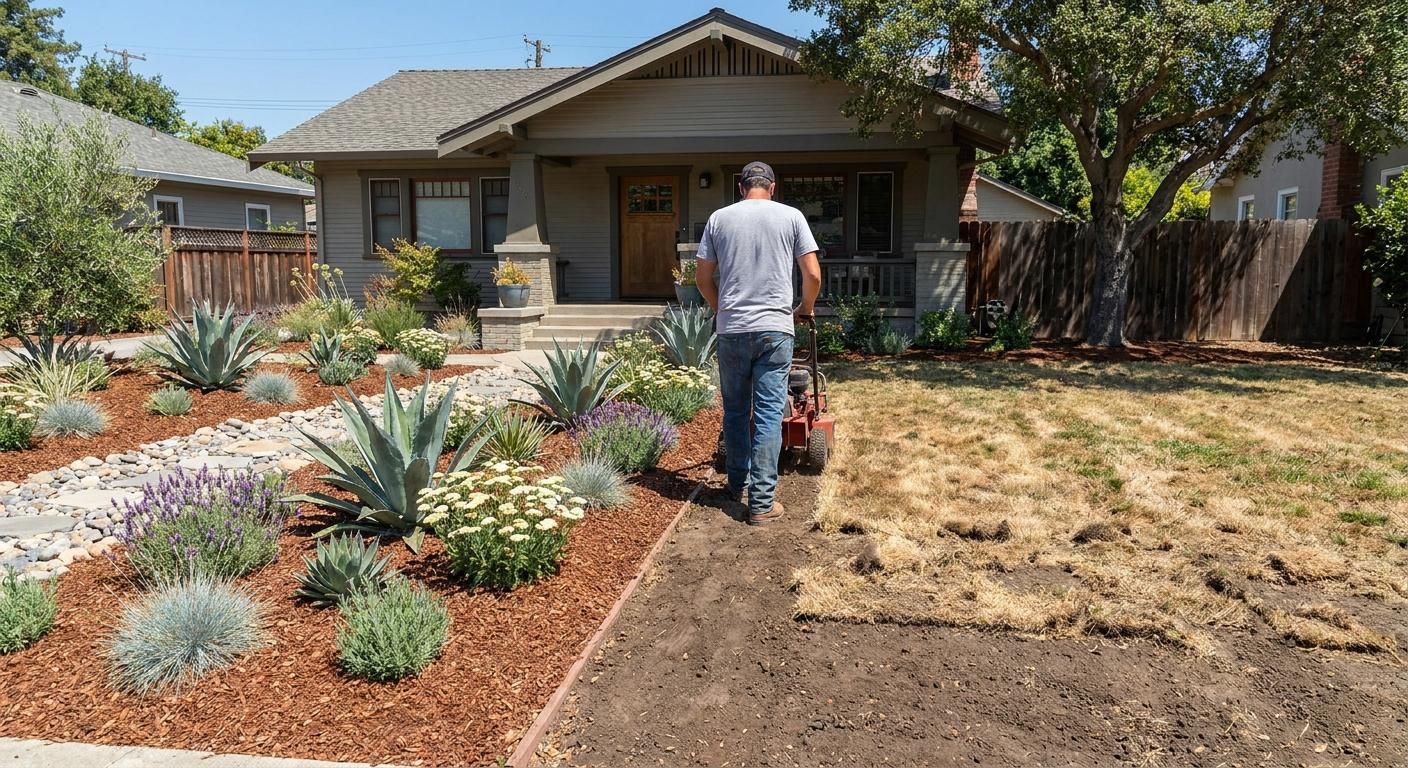
A California lawn replacement rebate pays $1 to $2 per square foot to remove grass, but East Bay programs exclude synthetic turf. See what qualifies and where turf still saves.
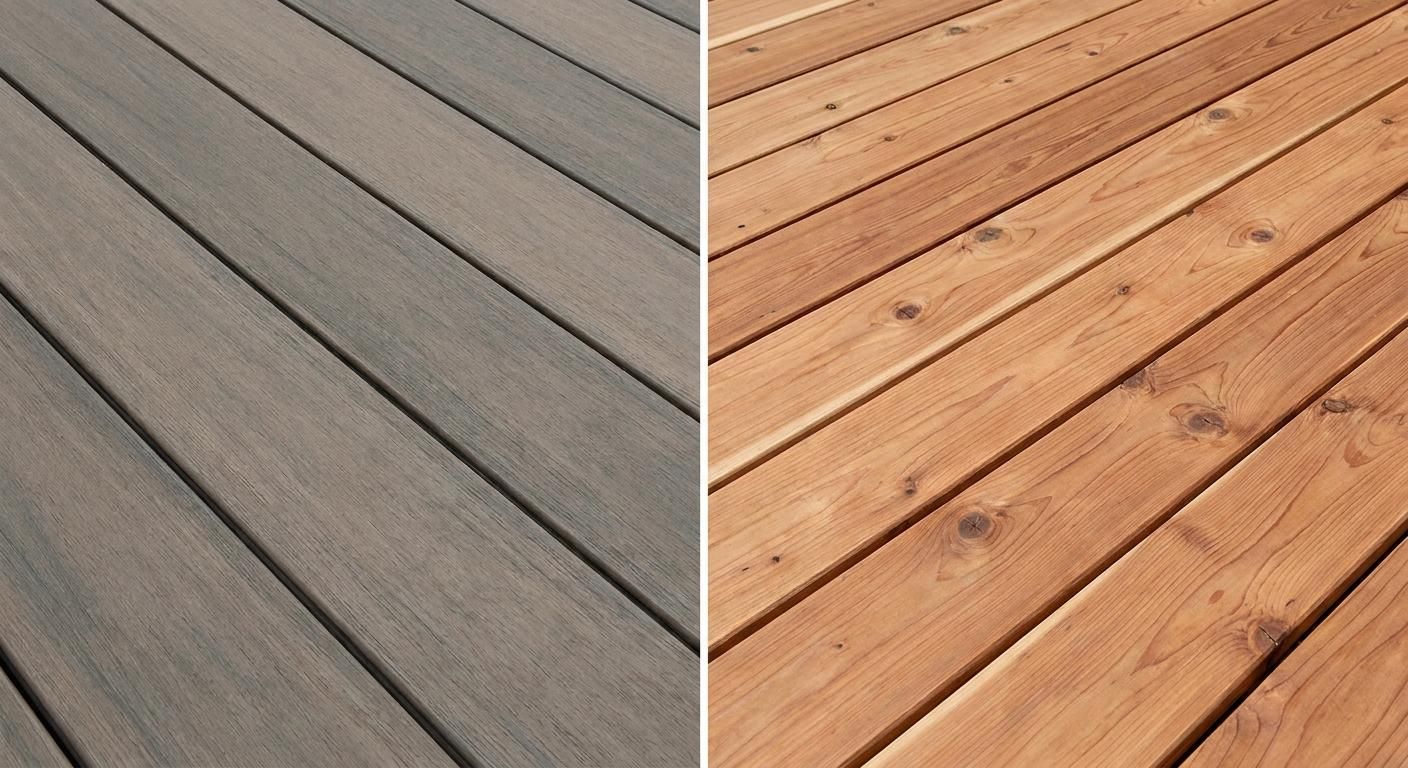
Composite vs wood deck comparison at a glance
By Miguel Flores June 21, 2026
Composite vs wood deck: compare upfront cost, maintenance, lifespan, looks, and the long-term math for Bay Area homes to see which decking material fits you.
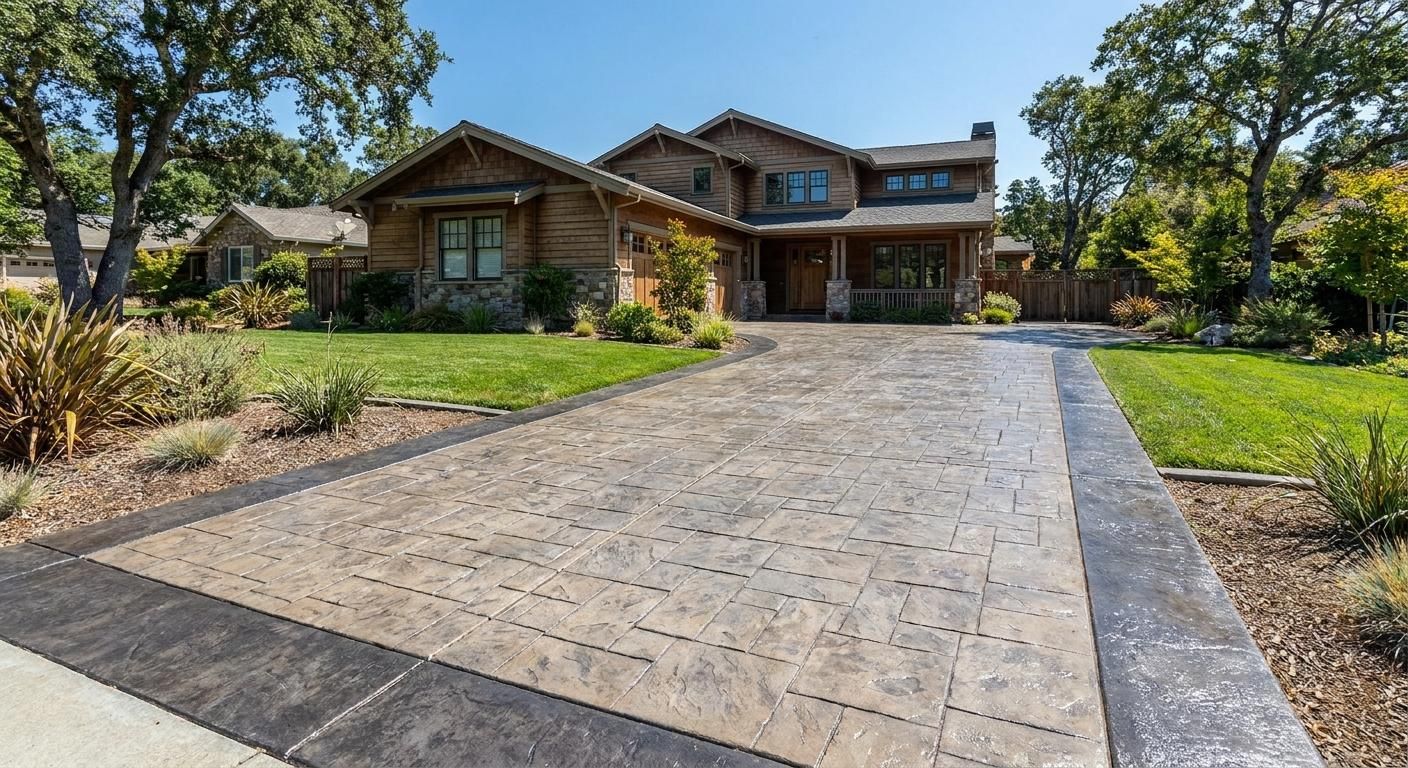
How much does a stamped concrete driveway cost per square foot
By Miguel Flores June 18, 2026
A stamped concrete driveway costs $12 to $25 per square foot in the Bay Area. See 2026 pricing by driveway size, what drives the price, and how it compares to pavers.
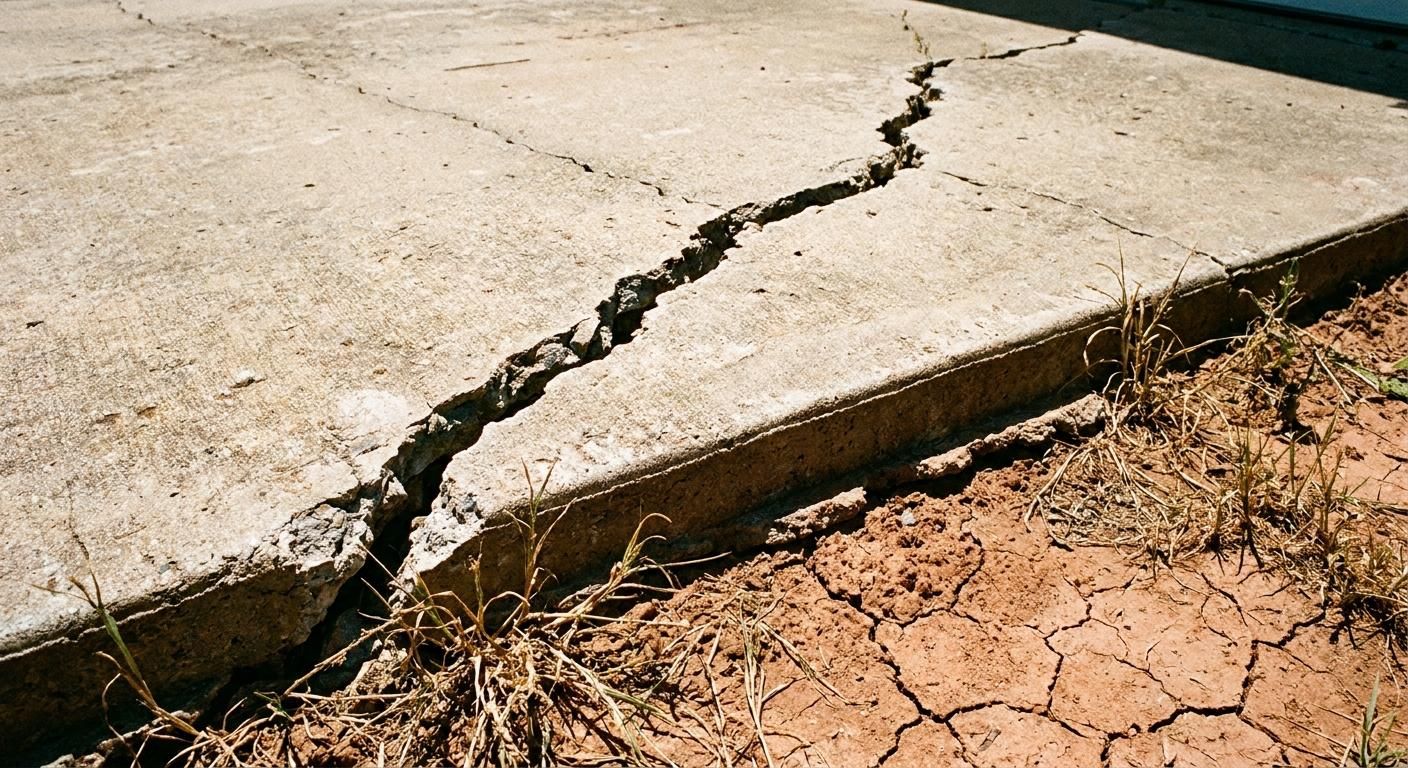
Expansive clay soil movement causing concrete cracking
By Miguel Flores June 15, 2026
Learn how to prevent concrete cracking with the 7 root causes and expert fixes, from East Bay clay soil and base prep to control joints, mix, curing, and rebar.
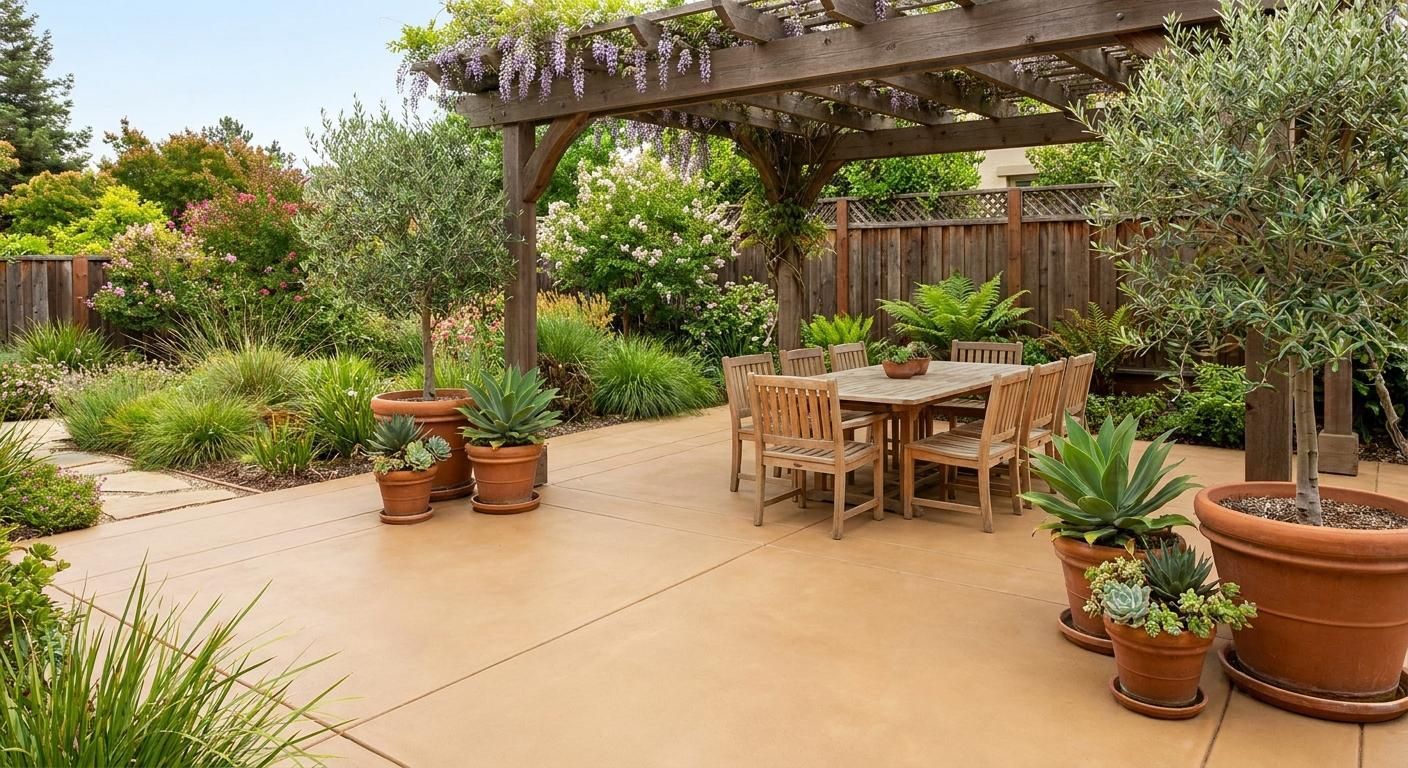
How much does a concrete patio cost per square foot
By Miguel Flores June 10, 2026
A concrete patio in the Bay Area costs $10 to $28 per square foot. See 2026 pricing by finish and size, what drives the price, and how concrete compares to pavers.
How much does a Trex deck cost in the Bay Area
By Miguel Flores June 6, 2026
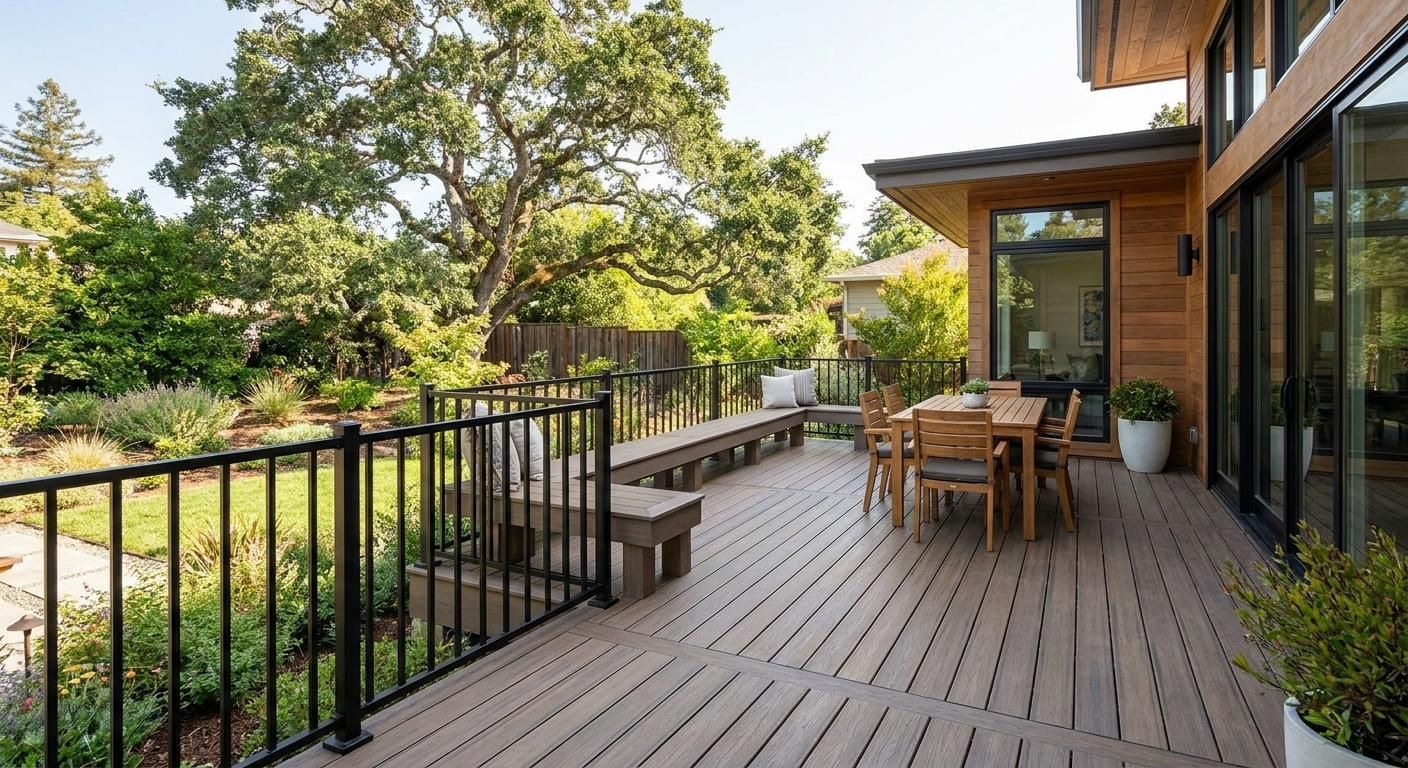
Trex deck cost in the Bay Area runs $50 to $90 per square foot. See 2026 pricing by Trex product line and deck size, plus the 25-year cost vs wood decking.
By Miguel Flores May 28, 2026
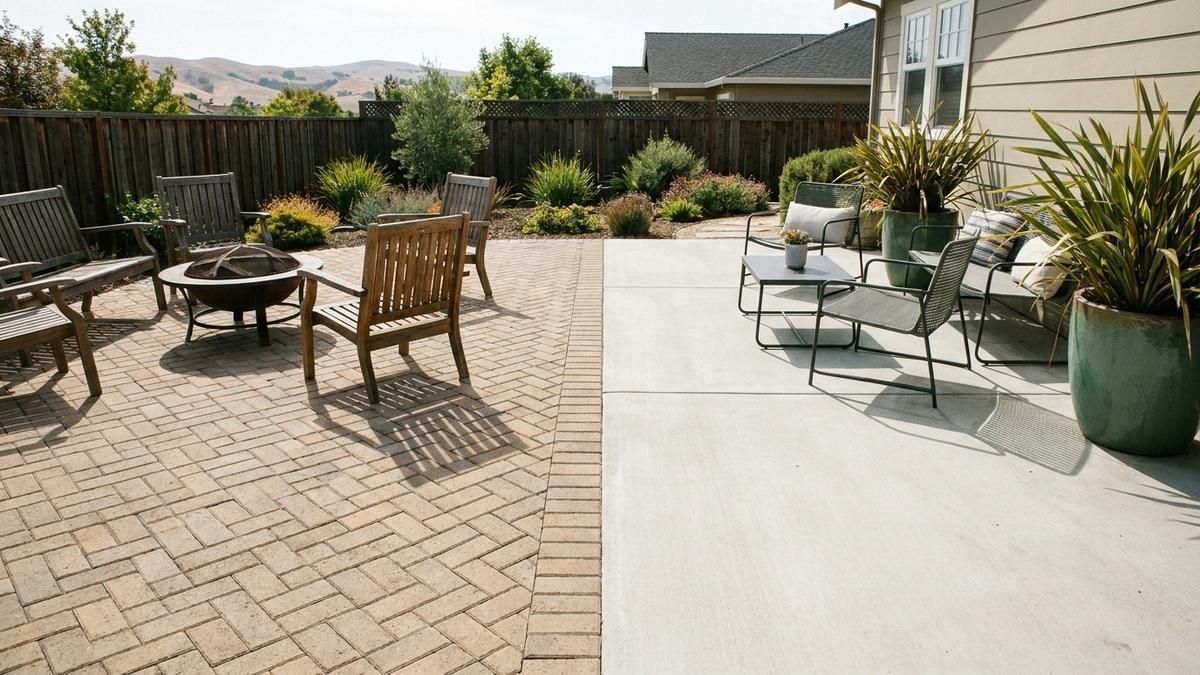
Compare pavers vs concrete costs, durability, and maintenance for East Bay patios and driveways. Get honest pricing for your Contra Costa County project.
By Miguel Flores May 25, 2026
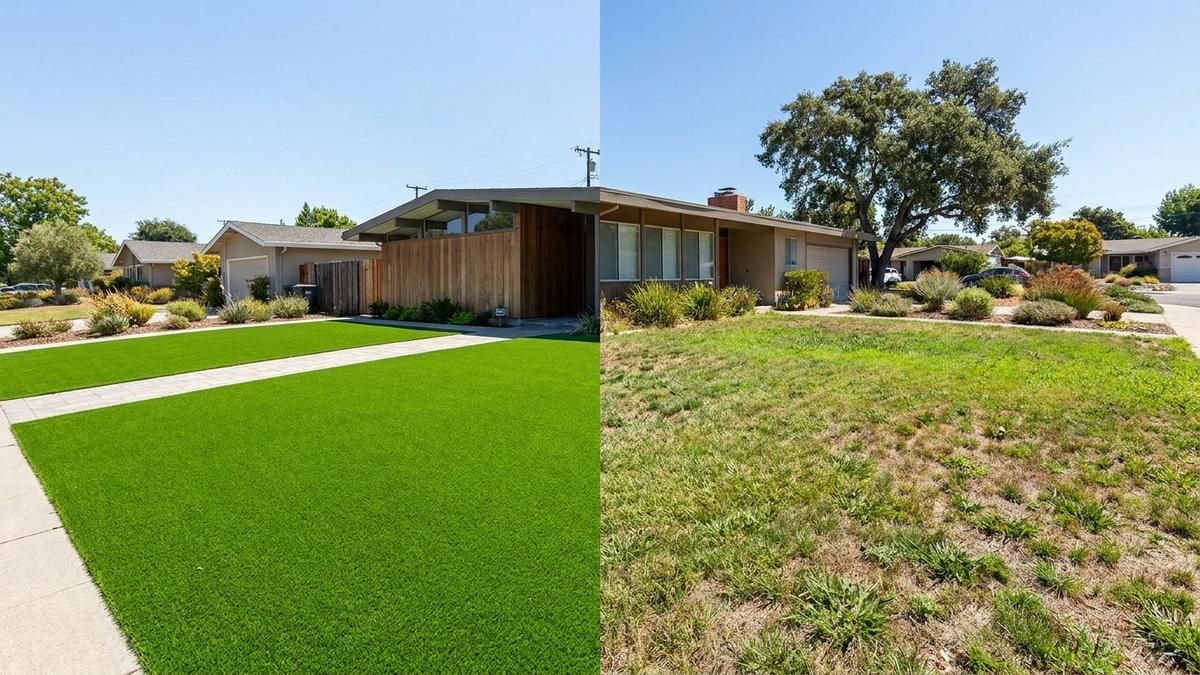
Compare artificial grass vs real grass costs, maintenance, and water savings for East Bay homeowners. Find which lawn works best in Contra Costa County.
By Miguel Flores May 21, 2026
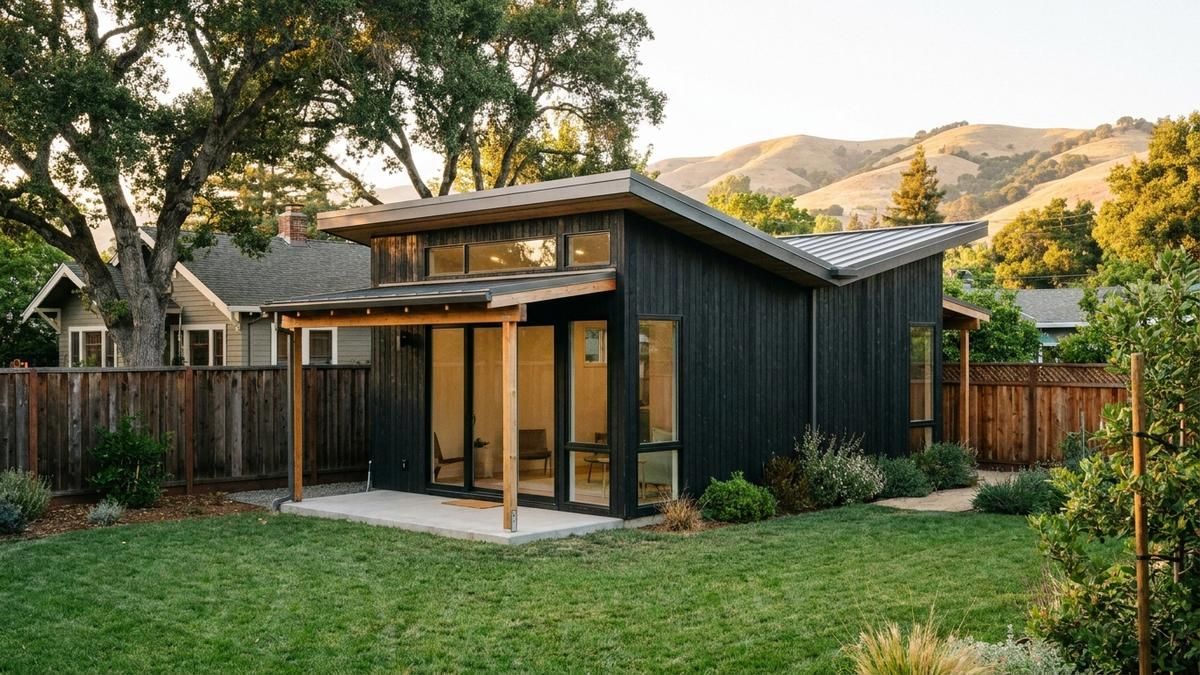
Compare ADU vs addition costs, rental income, and permits for East Bay homeowners. See which option adds more value in Contra Costa County.
Show More