Composite vs Wood Deck: Pros and Cons
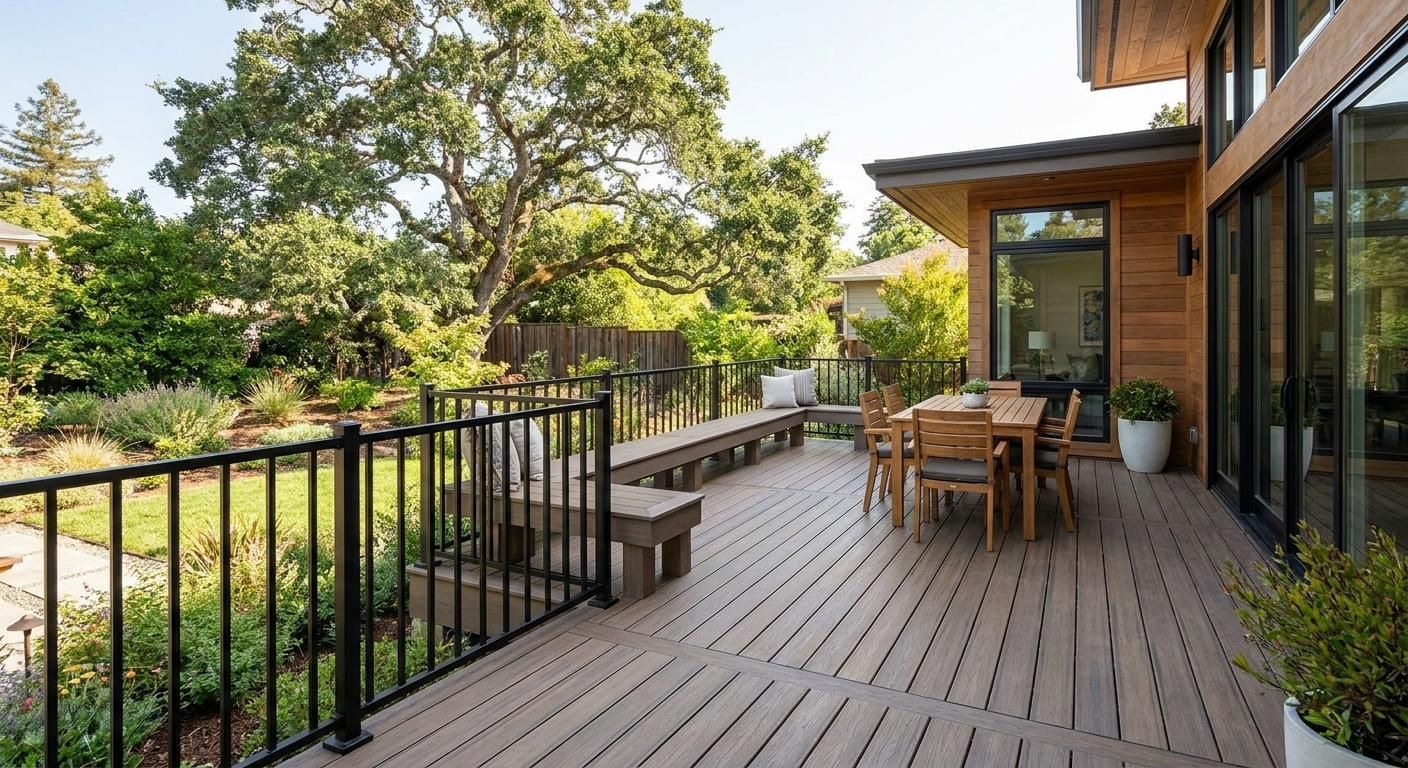
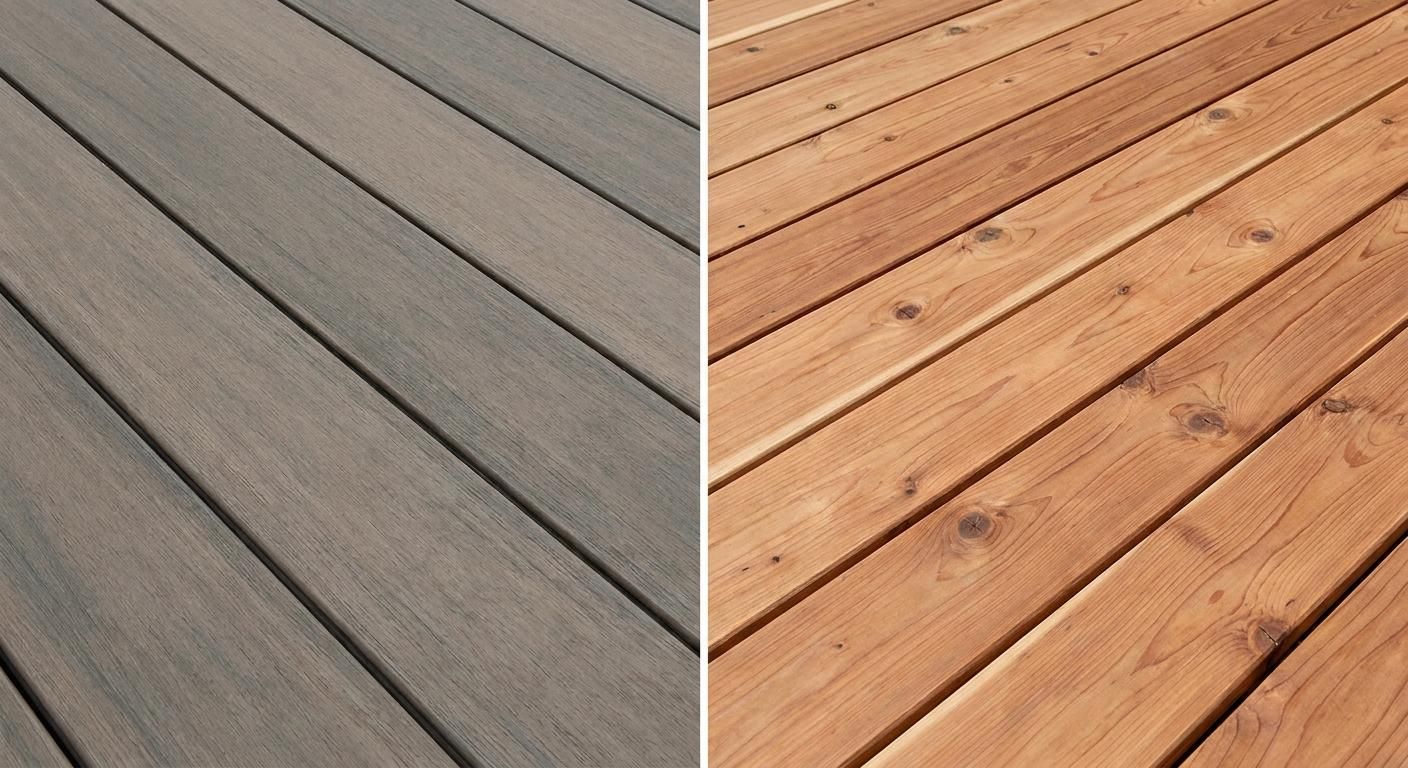
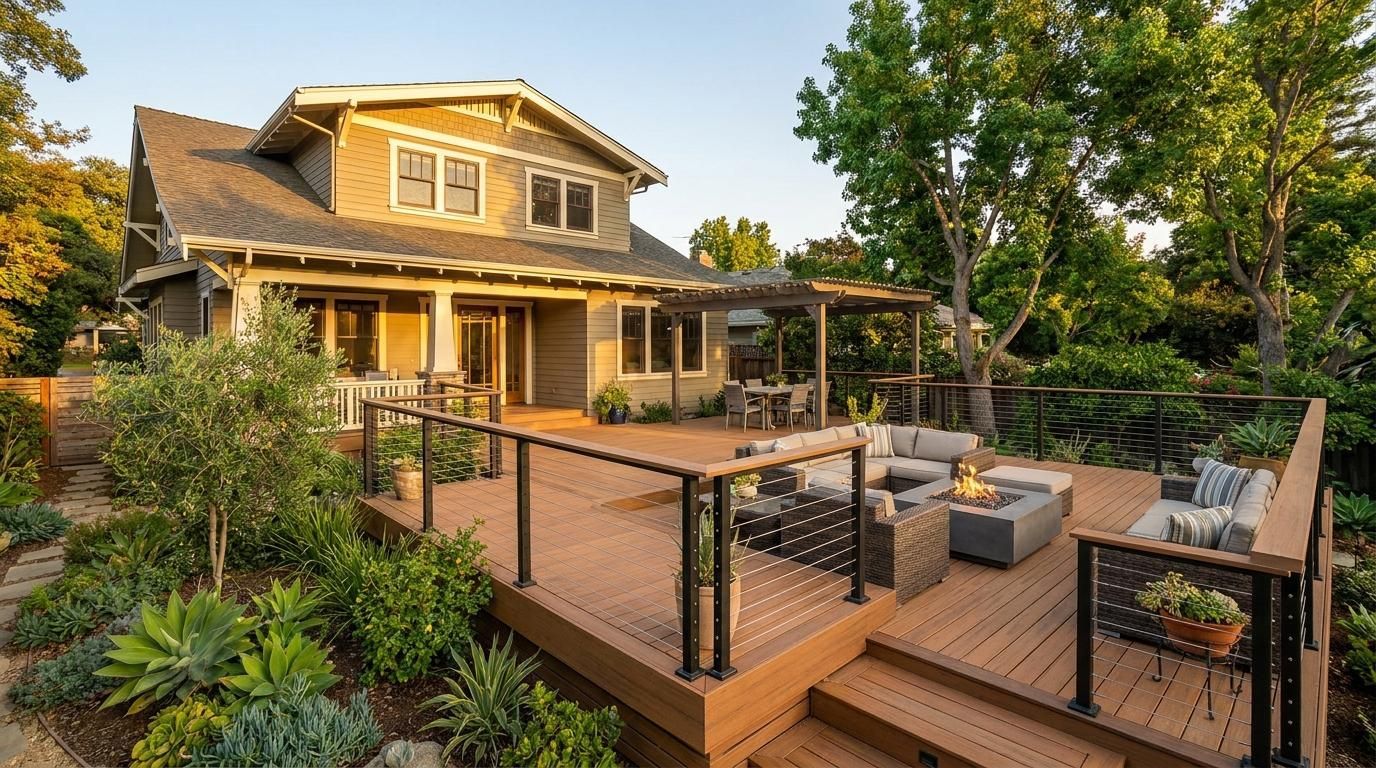
The choice between a composite and wood deck comes down to a single trade-off: wood costs less to build but more to own, while composite costs more up front and almost nothing to maintain. Composite lasts 25 to 30 years on a wash-only routine; wood runs 10 to 20 years and needs sanding, staining, and sealing every two to three years to get there. On day one, a freshly stained cedar deck next to a composite board are nearly identical. The difference shows up in year three, when the wood needs refinishing and the composite just needs a rinse.
The material that belongs in your backyard depends on how long you plan to stay and how you feel about that upkeep. Designing and constructing decks across the East Bay, Elite Development Builders talks to homeowners about this exact trade-off every week, having watched both materials age in our climate's wet winters and dry summers.
In this article, we compare the two based on cost, maintenance, lifespan, looks, and the long-term math that matters for homeowners.
Composite vs Wood Deck at a Glance
Before the details, here is the head-to-head comparison on the factors homeowners ask about most:
| Factor | Composite | Wood |
|---|---|---|
| Upfront cost | Higher | Lower |
| Maintenance | Wash only | Sand, stain, seal every 2-3 yrs |
| Lifespan | 25-30 years | 10-20 years |
| Look | Uniform, consistent | Natural grain |
| Warranty | 25-50 years | None typical |
Composite wins on the long game; wood wins on the opening price. The rest of this guide unpacks why.
The Pros and Cons of Composite Decking
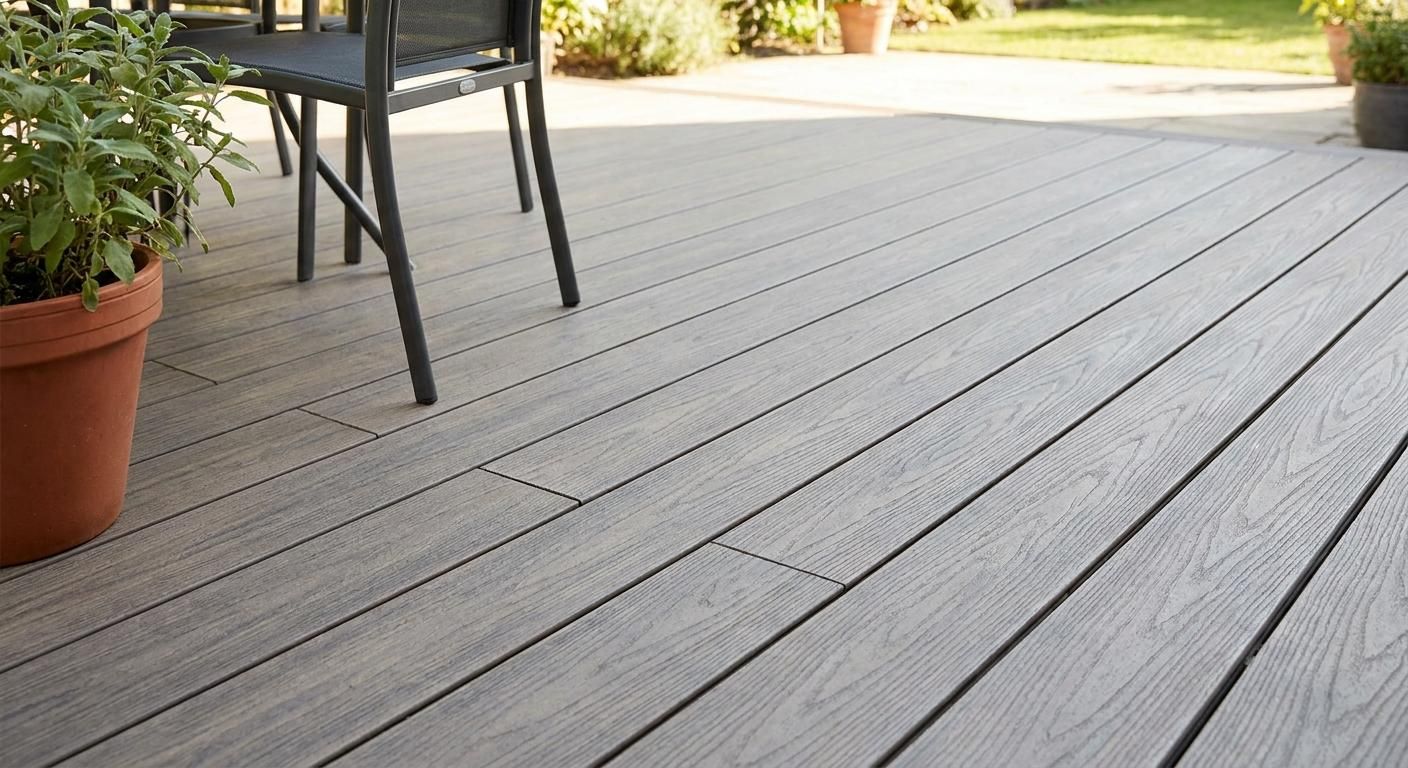
Composite boards are made from recycled wood fibers and plastic, capped with a protective shell. That construction is the source of both their strengths and their drawbacks.
Pros:
- Virtually no maintenance, no staining, sealing, or sanding ever required
- Resists rot, splinters, insects, and fading, with a 25-to-50-year warranty
- Consistent color and a wide range of finishes that mimic real wood grain
Cons:
- Higher upfront cost than most wood options
- Can get hot underfoot in direct summer sun, especially in darker colors
For homeowners who want to spend weekends using the deck rather than refinishing it, composite is hard to beat.
The Pros and Cons of Wood Decking
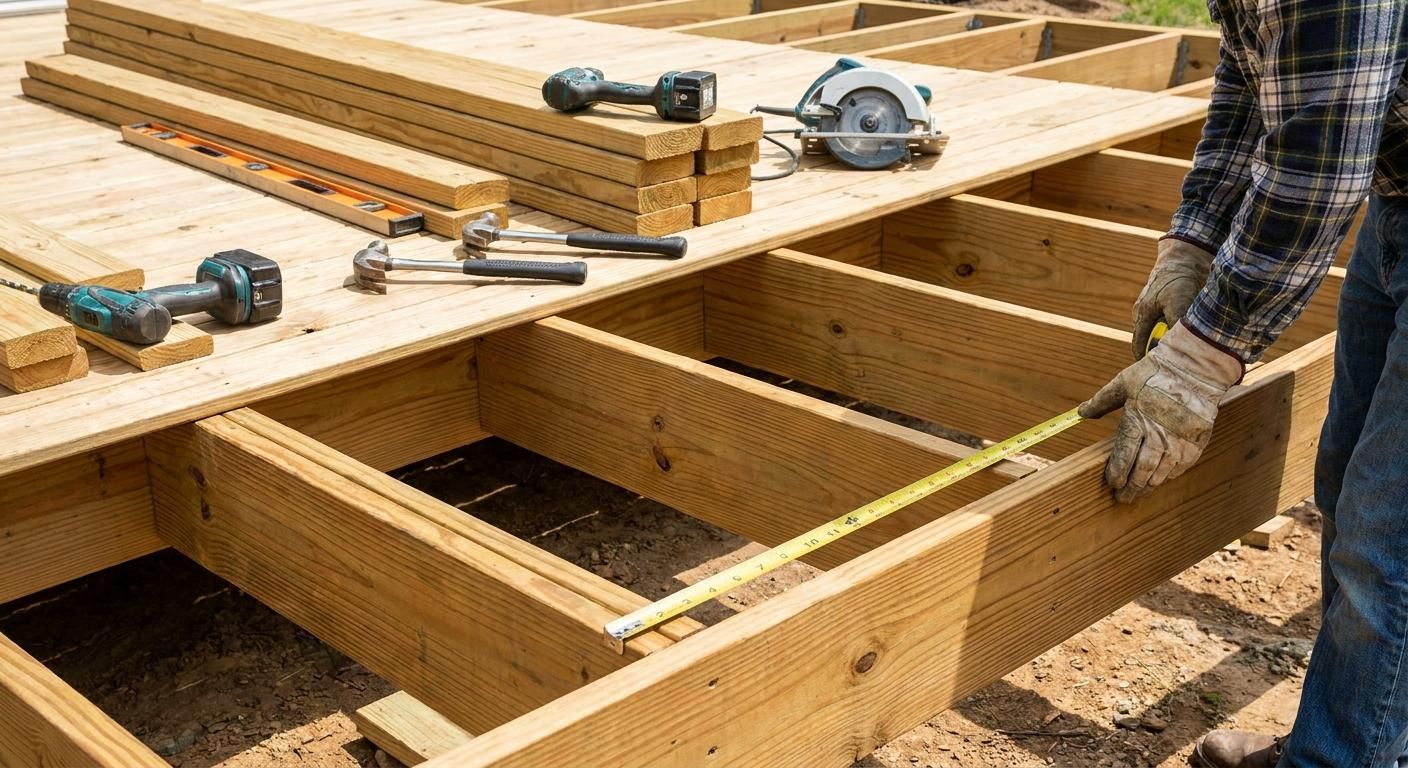
Wood remains the classic choice, and pressure-treated lumber, cedar, and redwood all have a place. The trade-offs run the other direction.
Pros:
- Lower upfront cost, especially with pressure-treated lumber.
- Natural grain and warmth that many homeowners still prefer.
- Individual boards are easy and cheap to replace.
Cons:
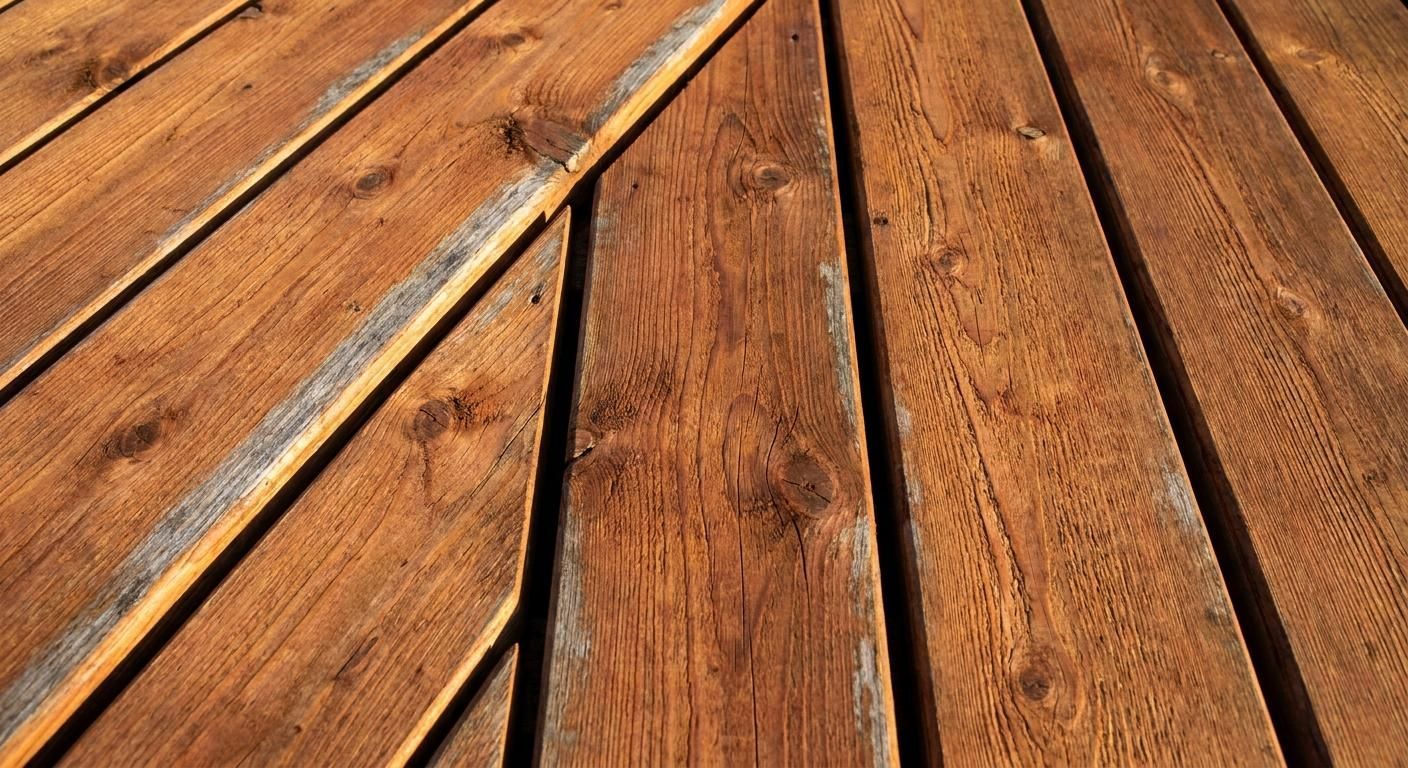
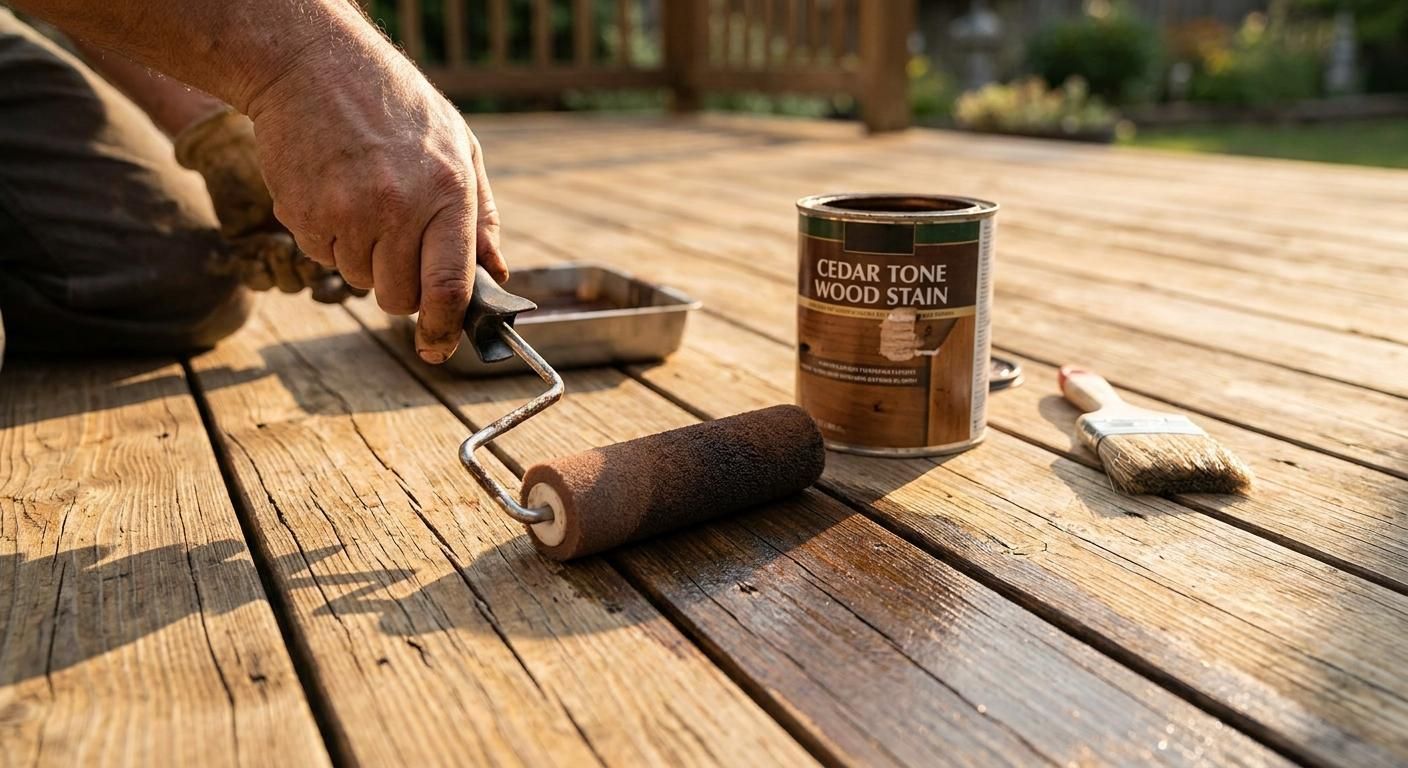
- Requires sanding, staining, and sealing every two to three years.
- Prone to warping, splintering, and rot in the Bay Area's wet-dry cycle.
Wood rewards homeowners who don’t mind the upkeep and want the lowest possible starting price.
Cost Comparison: Composite vs Wood Over Time
While composite typically costs two to three times more than pressure-treated wood up front, that gap narrows over the life of the deck. Wood carries recurring costs (like cleaning supplies, stain, and labor every few years) that composite simply does not. When you look at the cost of an installed Trex deck, saving money on upkeep completely erases that initial price difference over 20 to 25 years.
To compare the two, don’t look at the construction invoice alone. Consider the total you’ll spend throughout the years you own the deck.
Which Decking Is Right for Your Bay Area Home?
The best choice depends on how long you plan to stay and how you feel about maintenance. If you are settling in for the long haul in a community like Lafayette, composite's low upkeep and long warranty usually pay off. If you want the lowest upfront cost or plan to move within a few years, quality wood can be the smarter spend.
There is no universally correct answer, only the one that fits your budget, your timeline, and how you want to spend your weekends.
Frequently Asked Questions
Is a composite deck better than wood?
It depends on priorities. Composite is better for low maintenance, longevity, and warranty coverage, lasting 25 to 30 years with only occasional washing. Wood is better for lower upfront cost and natural looks but needs staining and sealing every few years and lasts roughly 10 to 20 years.
Does composite decking get hot in the sun?
Composite decking can get warmer than wood in direct summer sun, especially in darker colors. Choosing lighter tones and positioning the deck with some afternoon shade keeps the surface comfortable underfoot during the Bay Area's hottest months.
Is composite decking worth the extra money?
For homeowners who plan to keep their deck for many years, usually yes. The higher upfront cost is offset by eliminating staining, sealing, and board replacement, so lifetime cost often matches or beats wood while saving years of maintenance work.
Choosing the Right Deck Material for Your Home
Both composite and wood can be used to make a beautiful, durable deck when they’re built right on a solid frame. The decision comes down to whether you would rather pay less now and maintain it, or pay more now and forget about it.
Elite Development Builders designs and builds decks for homeowners across Pittsburg and the East Bay, with one licensed team from layout to the final board. For a free, detailed quote on your deck, contact Elite Development Builders or call (925) 504-7086.