Pavers vs Concrete Cost: Which Is Right for Your Project?

May 28, 2026

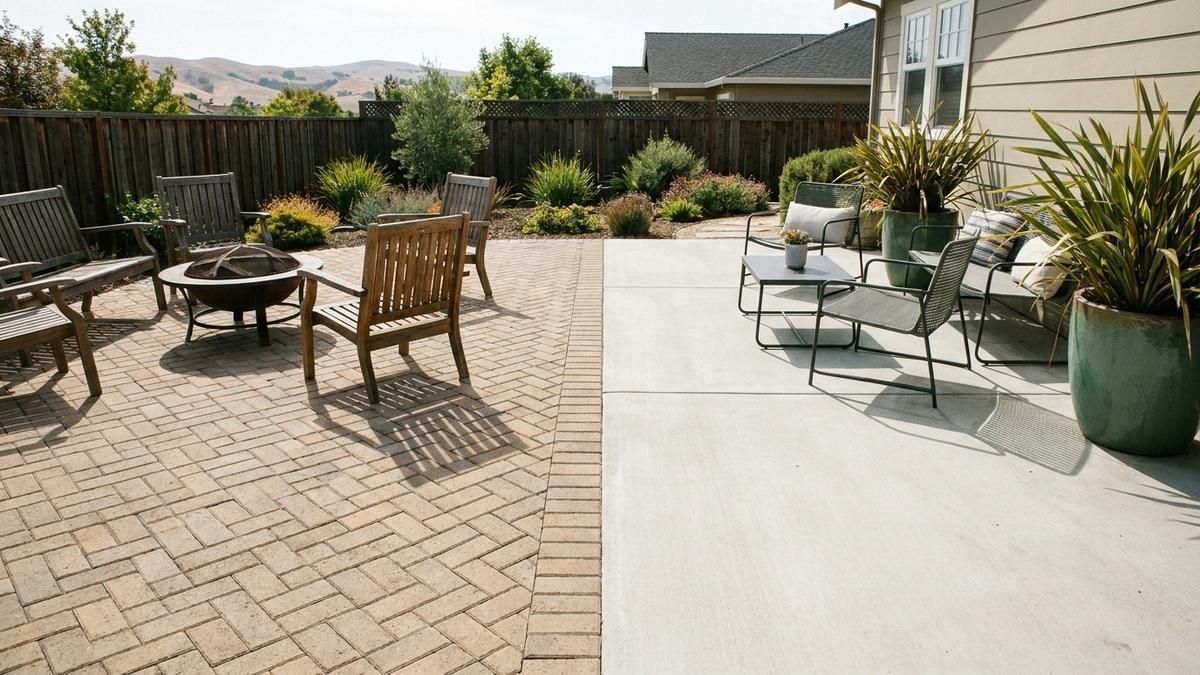
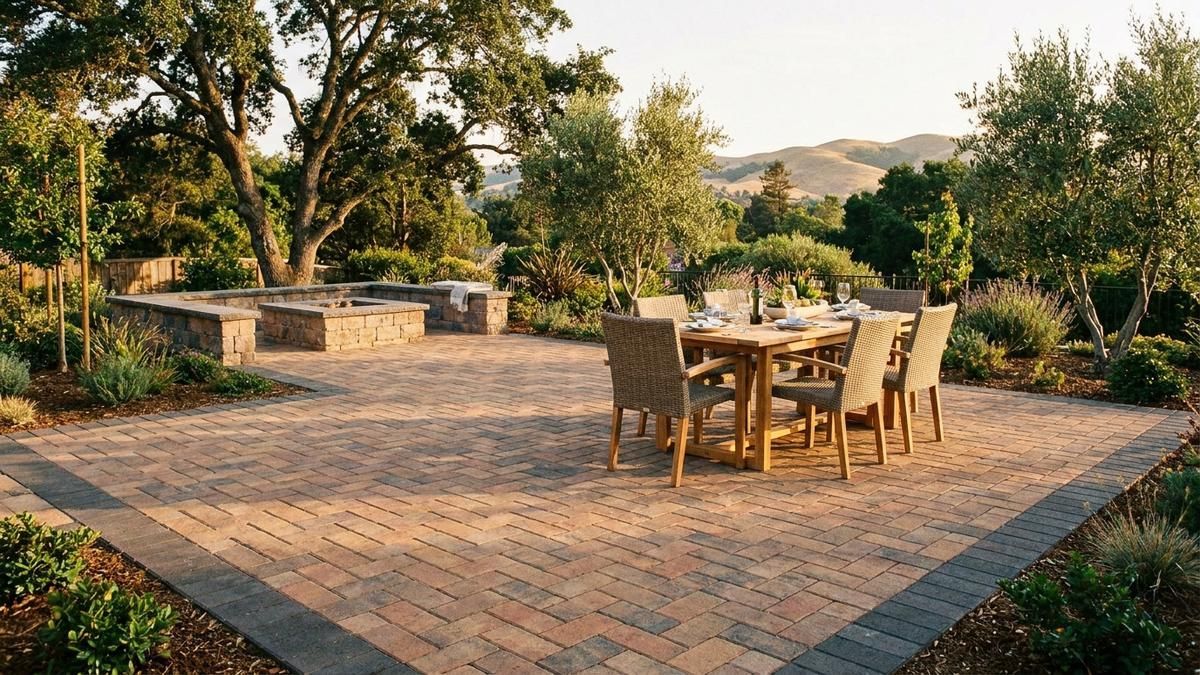
Poured concrete costs less than pavers upfront, but pavers can cost less to maintain over decades. Concrete runs $6 to $15 per square foot installed for basic finishes, while pavers range from $18 to $35. The gap comes mostly from labor, since pavers are placed individually on a prepared base.

Elite Development Builders installs both concrete and paver surfaces for residential projects across Contra Costa County. The recommendation usually starts with soil: on the East Bay's expansive clay, poured slabs crack when the ground swells and shrinks, while pavers flex with that seasonal movement because each unit sits independently.

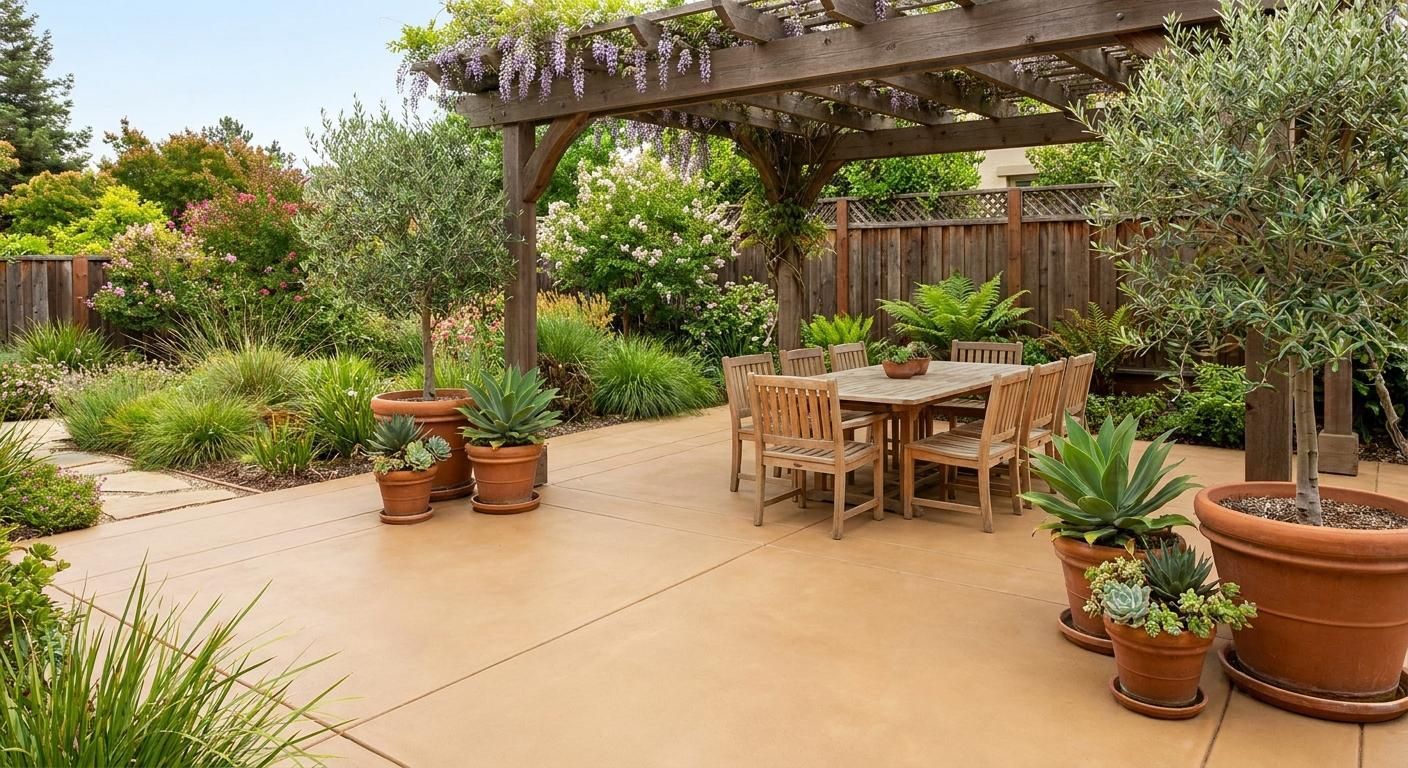
A Danville homeowner recently asked for quotes on both options for a 400-square-foot backyard patio. The poured concrete estimate came in at $4,800. The paver estimate landed at $8,000. The right choice depended on more than the bottom line. What follows is a straight look at the price gap, how each material handles East Bay clay, and which one fits driveways versus patios.

Cost Breakdown for East Bay Projects

The price gap between concrete and pavers comes from labor, not just materials. Concrete pours require fewer hours on-site, while pavers need individual placement on a prepared base.

Poured Concrete Costs

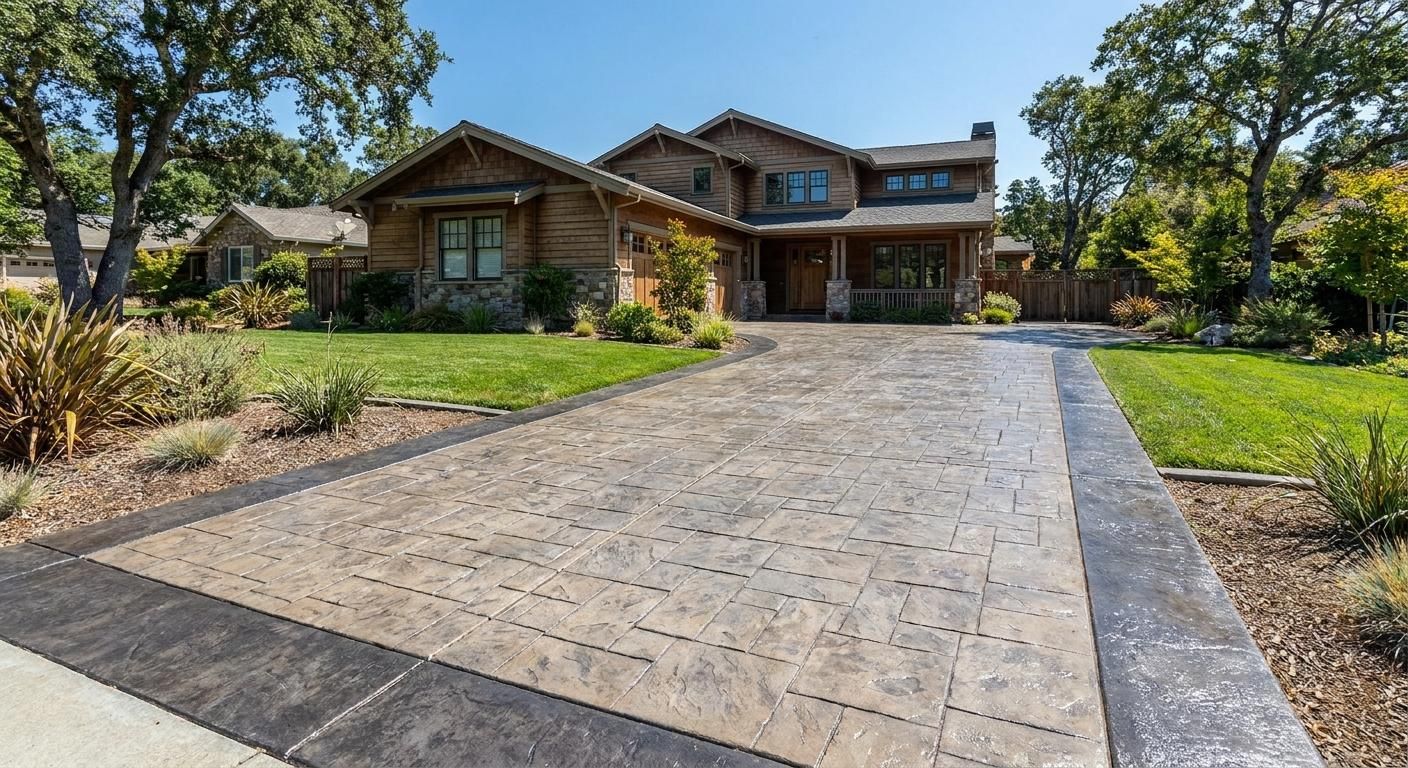
A standard broom-finish concrete patio in the Bay Area runs $6 to $15 per square foot installed. Stamped or decorative concrete pushes that range to $12 to $26 per square foot, depending on pattern complexity and color work. A typical 400-square-foot patio costs $2,400 to $6,000 for basic finishes and $4,800 to $10,400 for decorative options.

Paver Costs

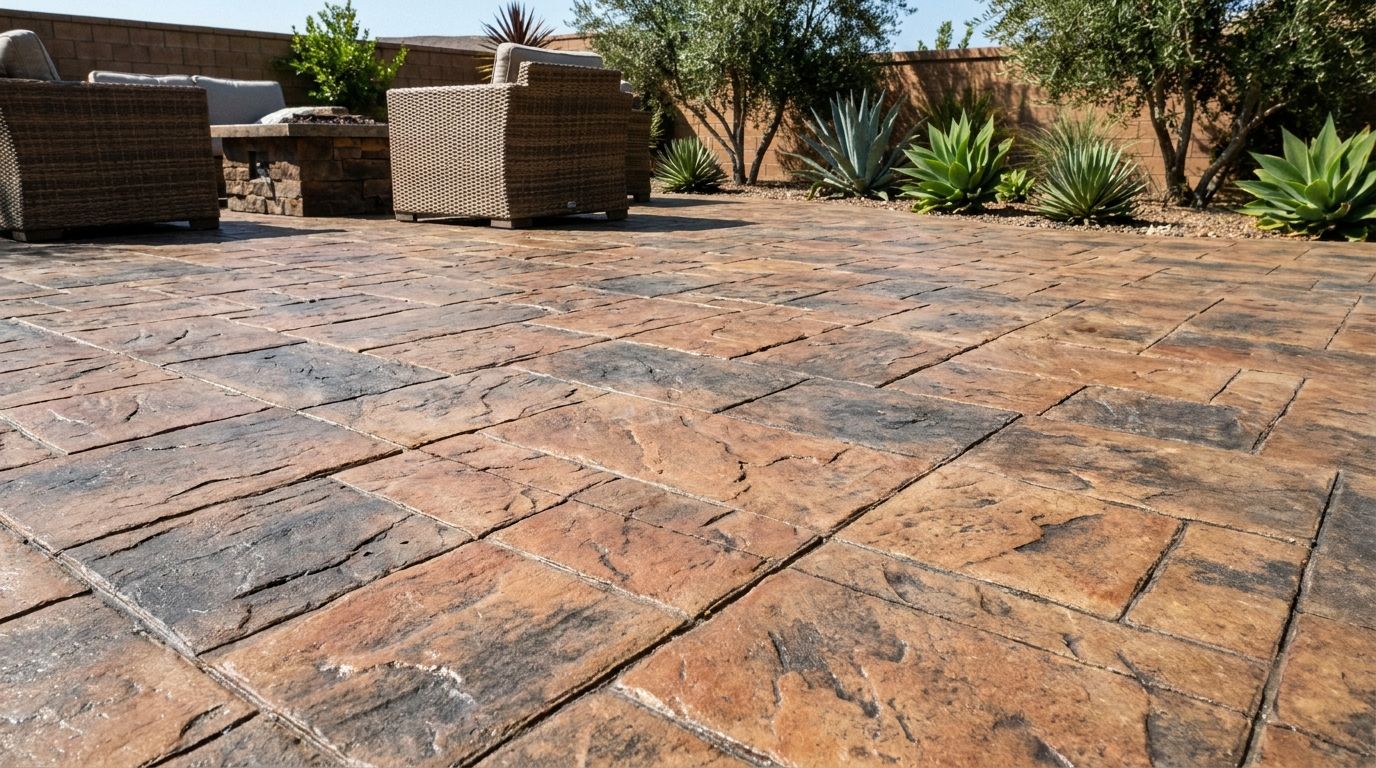
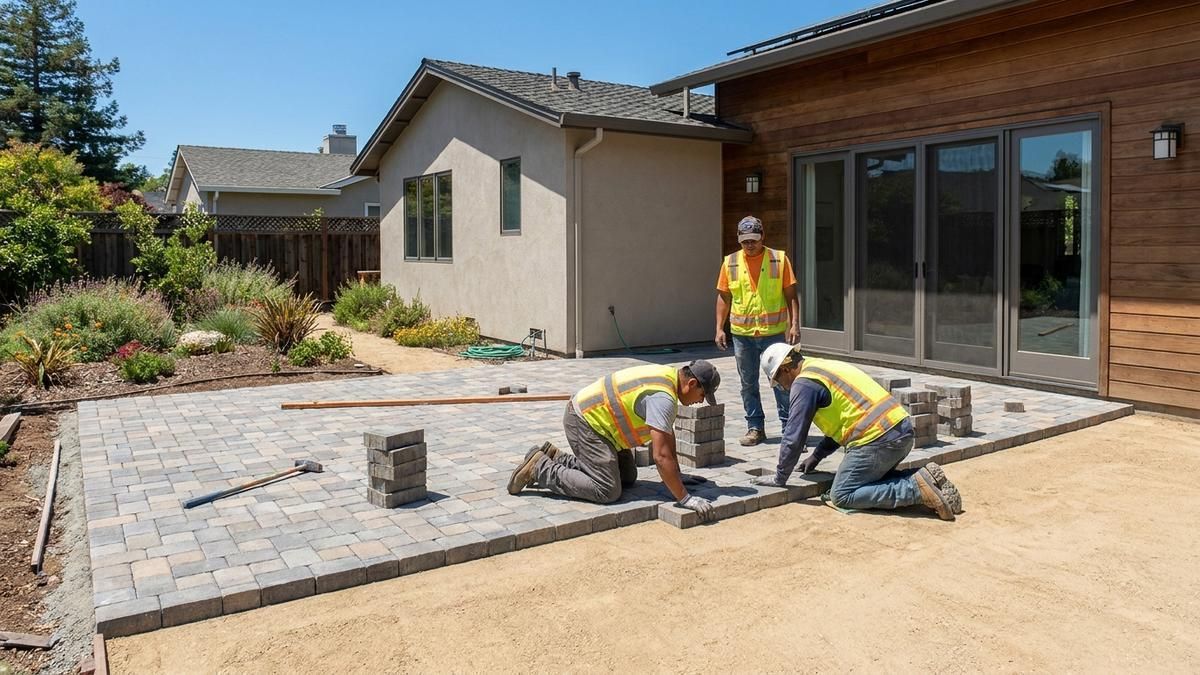
Concrete pavers run $18 to $28 per square foot installed, with natural stone and premium materials reaching $35 or more. The higher cost reflects both material expense and the labor-intensive installation: excavation, compacted gravel base, sand bedding, individual paver placement, and edge restraints. A 400-square-foot paver patio typically costs $7,200 to $14,000 in the Bay Area.

Durability and Maintenance

Both materials can last decades when installed correctly, but they handle the East Bay's challenging soil conditions very differently.

How Concrete Holds Up

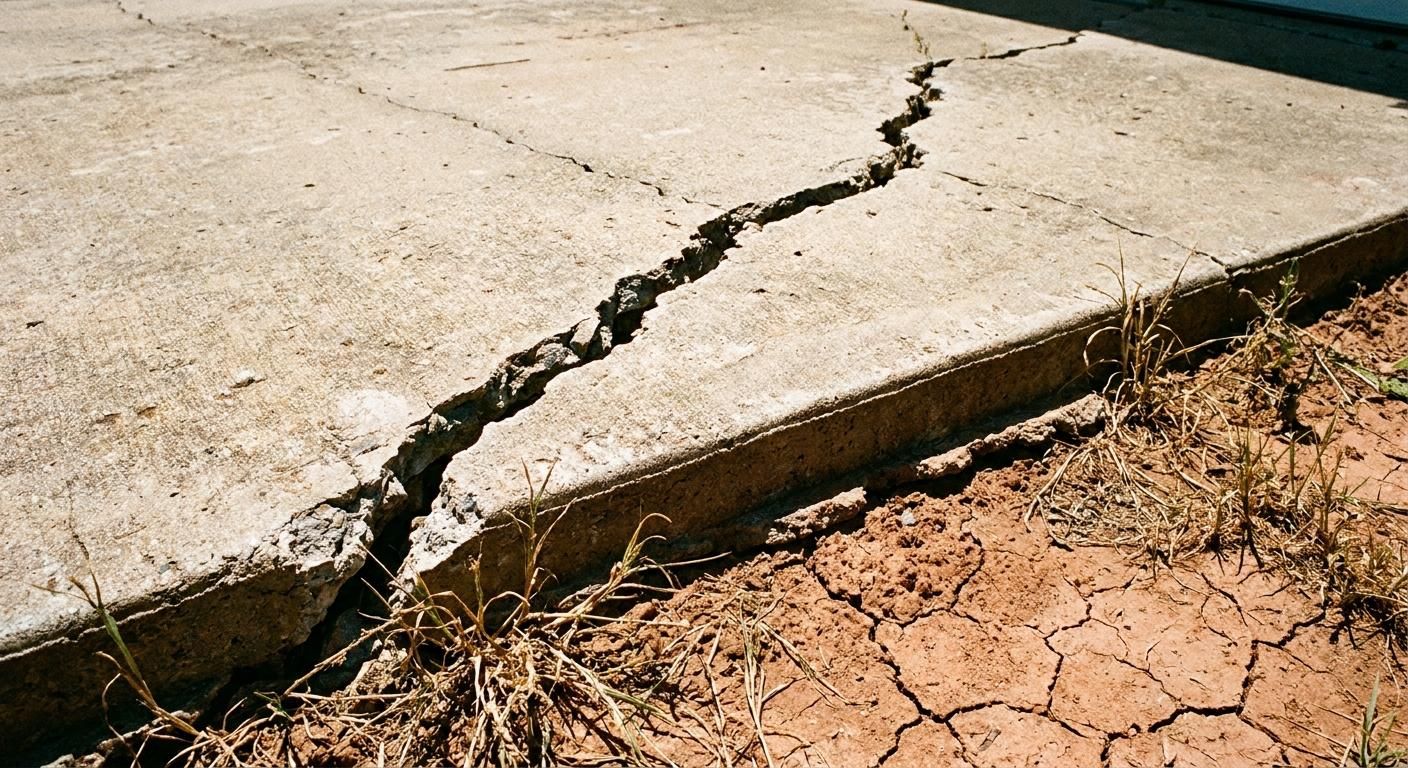
Poured concrete handles heavy loads well but doesn't flex with ground movement. In the East Bay's expansive clay soil, that rigidity becomes a problem. When clay swells during winter rains and contracts in summer heat, concrete slabs develop cracks. Repairing a cracked slab usually means cutting out sections and re-pouring at $3 to $7 per square foot. For a closer look at what causes these failures locally, see our guide to common concrete problems in the Bay Area.

How Pavers Hold Up

Pavers flex with ground movement because each unit sits independently on a compacted sand base. If one shifts or cracks, you replace that single paver for a few dollars. Over 20 to 50 years, pavers require periodic re-leveling and joint sand replenishment but rarely need full replacement. On East Bay clay soil, where seasonal ground movement is the norm—particularly in older neighborhoods across Lafayette, Orinda , and Walnut Creek with mature trees and shifting soil—that flexibility is a meaningful structural advantage.

Which Option Fits Your Project?

The right choice depends on what you're building and what matters most to your property.

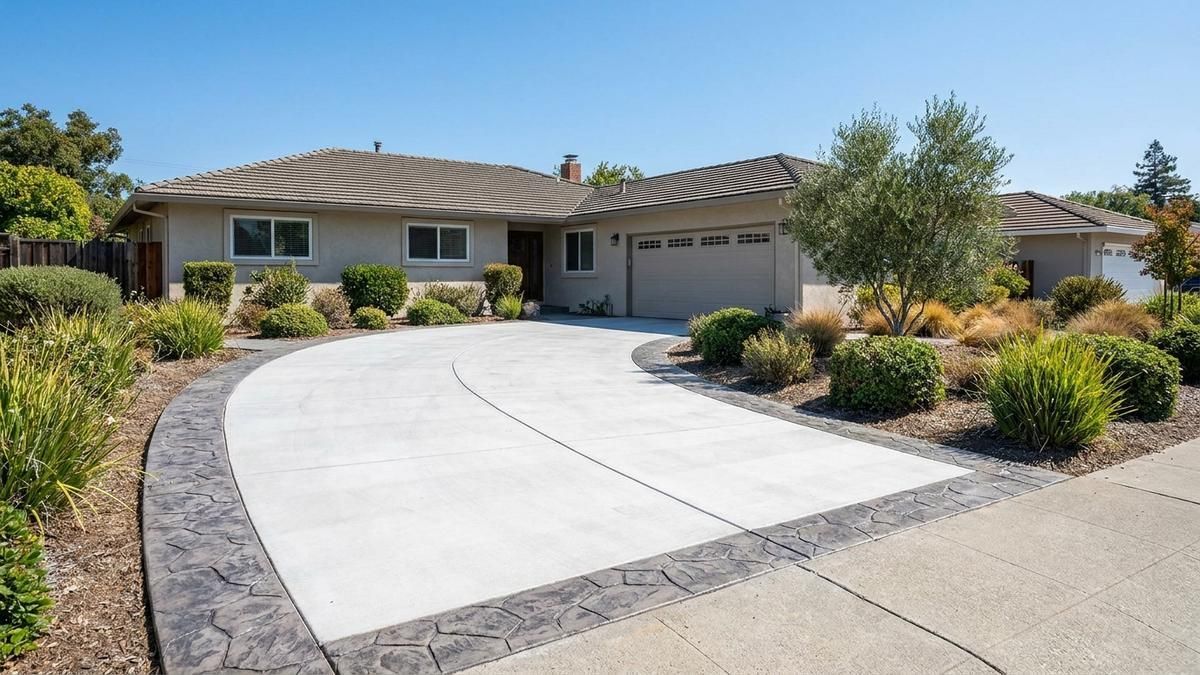
Choose concrete if: You want lower upfront costs, a clean modern look, or a driveway that handles constant vehicle loads. A broom-finish concrete driveway is the most cost-effective option for pure functionality in the East Bay.

Choose pavers if: You want a patio or walkway with more design flexibility, easier long-term repairs, and better performance on shifting clay soil. For outdoor living spaces where aesthetics and repairability matter, pavers give you more options.

Elite Development Builders installs both concrete and paver surfaces across the East Bay, so the recommendation starts with your specific property conditions. For a detailed breakdown of driveway pricing specifically, see our driveway paving cost guide.

Frequently Asked Questions

What lasts longer, pavers or concrete?

Pavers typically outlast poured concrete. Quality pavers are designed to last 25 to 50 years because individual units can be replaced without disturbing the surrounding surface. Poured concrete is designed to last 20 to 30 years but is more susceptible to cracking from ground movement, especially on the East Bay's expansive clay soil.

Is it cheaper to pour concrete or lay pavers?

Concrete costs less upfront at $6 to $15 per square foot compared to $18 to $35 for pavers. Over the long term, pavers can be less expensive to maintain because repairs involve replacing individual pieces rather than cutting and re-pouring entire sections. Elite Development Builders installs both options across Contra Costa County.

Are pavers worth the extra cost?

For patios and outdoor living spaces, pavers often justify the higher price through easier repairs, more design flexibility, and better performance on shifting soil. For driveways or utility slabs where function matters more than appearance, poured concrete's lower cost may be the smarter fit for your budget.

Find the Right Material for Your Outdoor Project

Concrete saves money upfront. Pavers cost more to install but are repaired more easily and handle the East Bay's clay soil movement better over decades. Both are strong choices for driveways, patios, and walkways. The right pick depends on your budget, your design goals, and how your lot handles seasonal soil conditions.

To discuss your patio, driveway, or walkway project, contact Elite Development Builders for a free estimate or call (925) 504-7086 .

By Miguel Flores May 25, 2026
Compare artificial grass vs real grass costs, maintenance, and water savings for East Bay homeowners. Find which lawn works best in Contra Costa County.
By Miguel Flores May 21, 2026
Compare ADU vs addition costs, rental income, and permits for East Bay homeowners. See which option adds more value in Contra Costa County.
By Miguel Flores May 18, 2026
Stamped concrete patio costs range from $12 to $26 per square foot in the Bay Area. See pricing by pattern, size, and what affects your total cost.
By Miguel Flores May 15, 2026
ADU construction in the Bay Area costs $100,000 to $500,000, depending on type. See cost breakdowns for garage conversions, attached, and detached ADUs.
By Miguel Flores May 10, 2026
Artificial grass lasts 15 to 25 years with proper installation and care. Learn what affects its lifespan and how to maintain synthetic turf in the Bay Area.
By Miguel Flores May 6, 2026
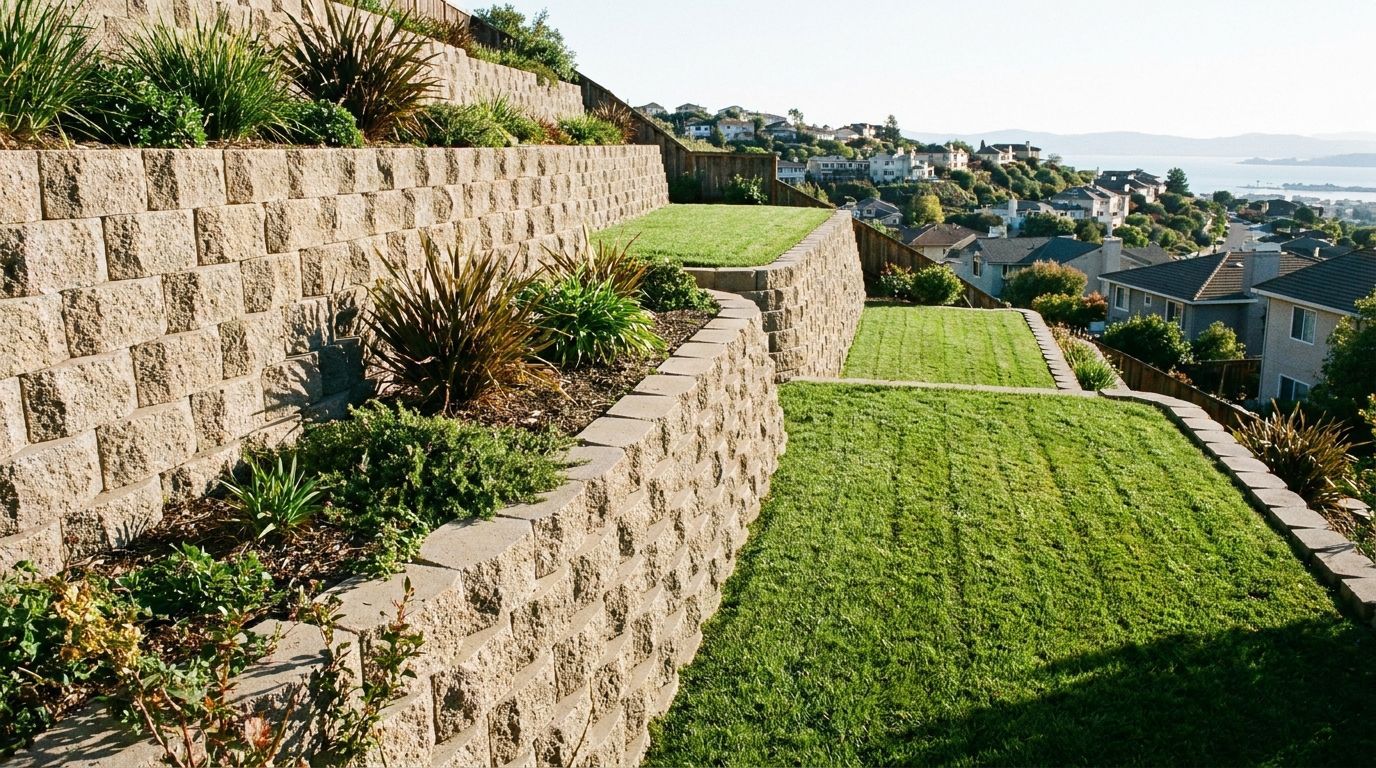
Discover 25 retaining wall ideas for sloped Bay Area yards, including concrete, stone, timber, and terraced designs courtesy of Elite Development Builders.
By Miguel Flores May 2, 2026
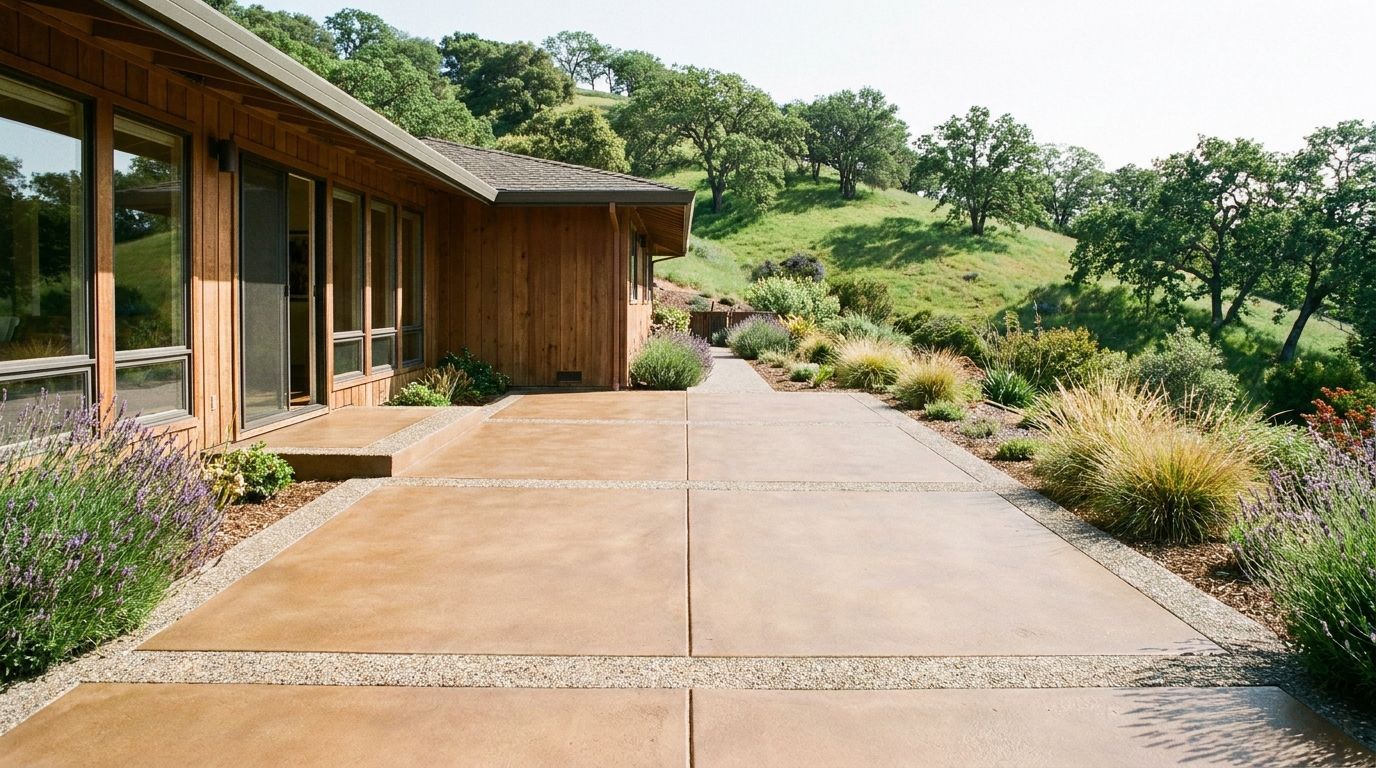
Explore 15 concrete patio ideas for East Bay backyards. From broom finish to stamped patterns to multi-level designs, find styles that fit your yard.
Modern house with a manicured green lawn, desert landscaping, and warm sunset light
By Miguel Flores April 29, 2026
Weigh the real pros and cons of artificial turf for East Bay homes. Consider water savings, heat, costs, and maintenance as explained by local installers.
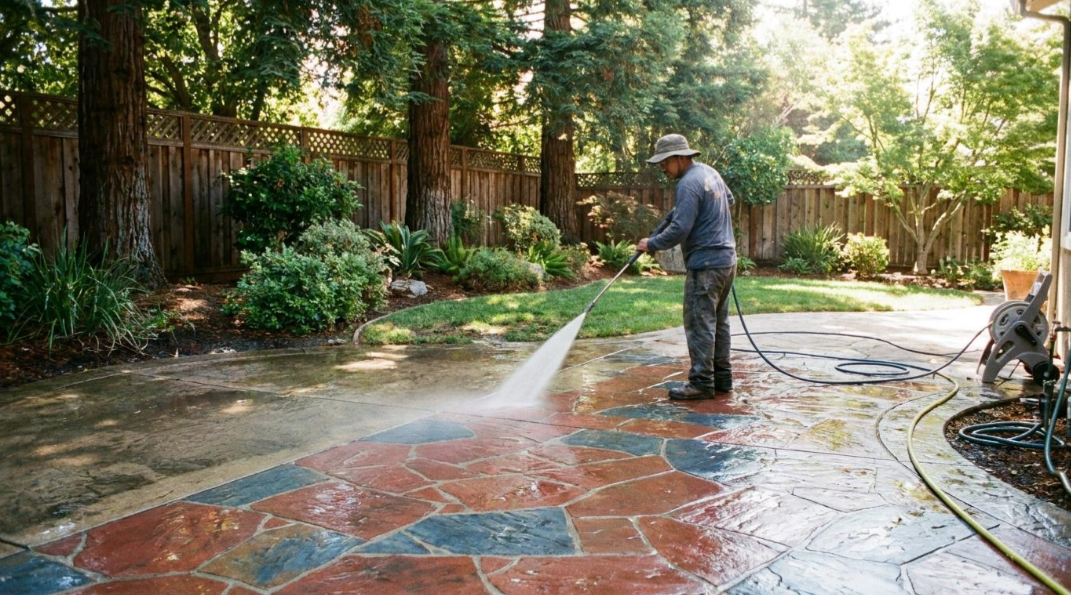
Person pressure-washes a wet brick patio in a leafy backyard.
By Miguel Flores April 22, 2026
Compare stamped concrete and pavers in terms of cost, durability, and maintenance. Get an honest breakdown for East Bay homeowners from local contractors.
Terraced stone garden beds at sunset with lush plants and a distant coastal view
By Miguel Flores April 15, 2026
Learn how retaining wall drainage prevents structural failure. Elite Development Builders shares East Bay drainage solutions and warning signs.
Show More