
How Much Does Home Demolition Cost? Real Bay Area Prices for Smart Planning

October 1, 2025

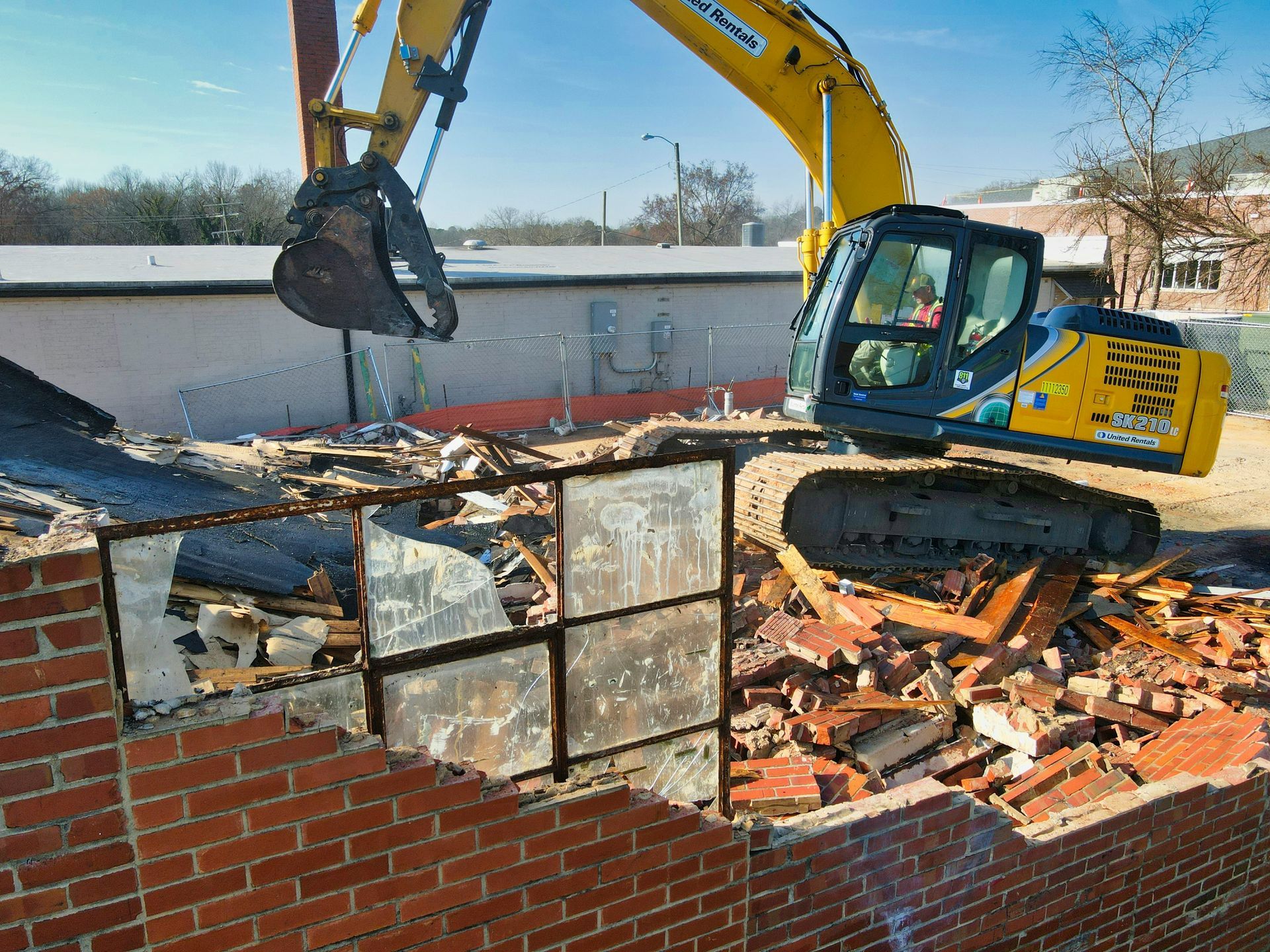
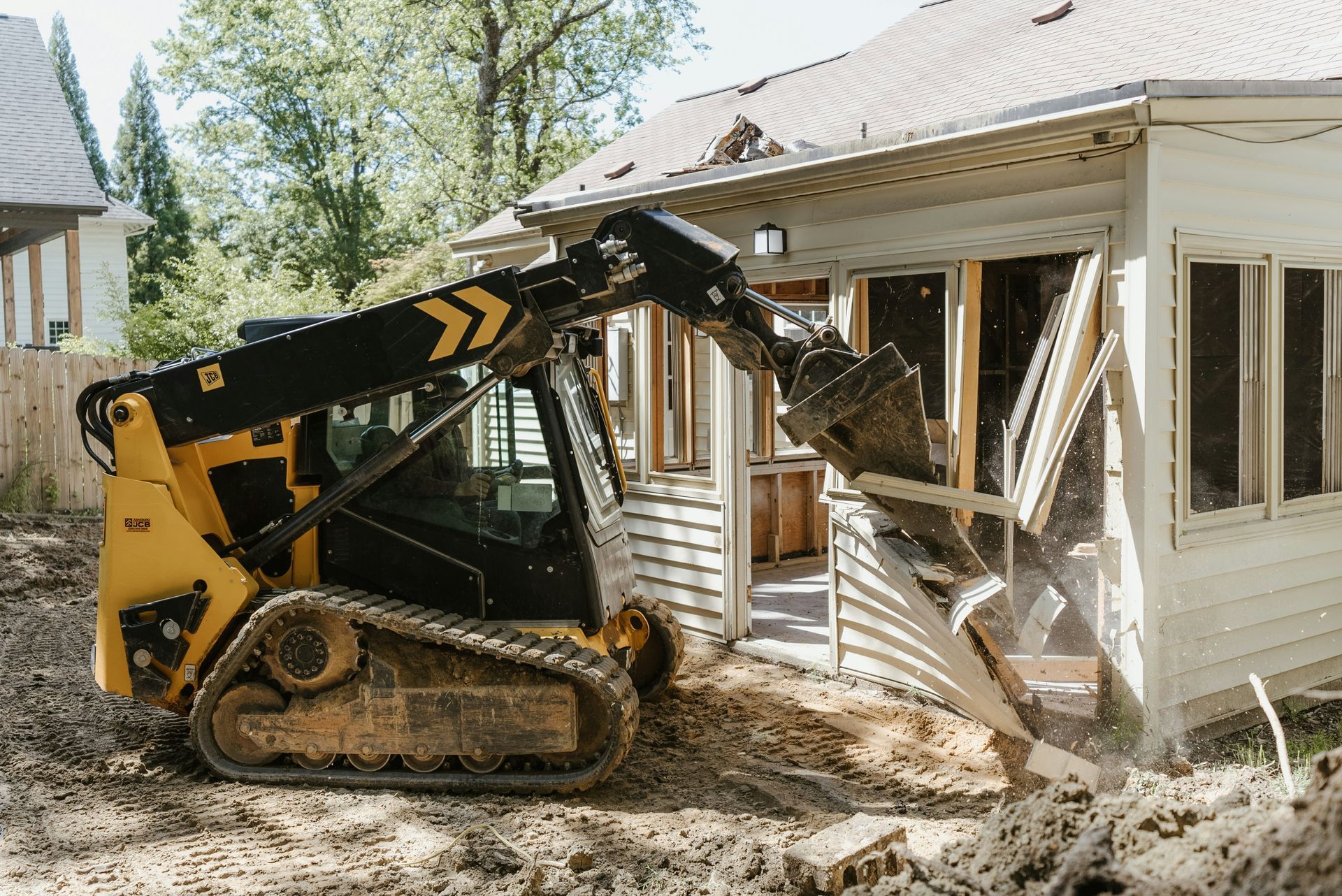
Home demolition costs typically range from $5 to $15 per square foot, but this broad estimate only tells part of the story. Whether you're planning a partial or complete demolition, knowing the real factors that influence pricing helps you budget accurately and avoid costly surprises. As experts who have helped countless Bay Area homeowners navigate these decisions, we’ll share relevant cost estimates, additional expenses you need to be aware of, and how you can save money.


What Are the Factors That Affect Demolition Pricing?

Your demolition expenses will be influenced by the size of the structure that needs demolishing, the materials that were used to build it, and site accessibility. Additional factors to consider are the permits you’ll need and waste disposal fees.


Size and Construction Materials

The size of the structure is the biggest cost driver. However, demolition pricing isn't just about square footage. The ceiling height, number of stories, and structural complexity all impact the amount of labor involved.


Construction materials also affect your home demolition cost. Older homes with solid wood frames require more manual labor, while brick or concrete structures cost more due to the need for heavier equipment.


Site Accessibility and Permits

Properties with narrow driveways or limited access require more time-intensive methods. Areas like Oakland, where houses are close together, often face additional challenges that increase costs.

Local permit requirements vary significantly, with some areas requiring environmental assessments. Utility disconnection fees typically range from $100 to $500 per utility.


Waste Disposal and Hazardous Materials

Don’t overlook waste disposal costs. Most home demolition projects need multiple dumpsters that cost $400 to $800 per container, plus disposal fees of $50 to $100 per ton.


Homes built before 1980 often contain asbestos or lead paint. Professional asbestos abatement costs $5 to $15 per square foot, while lead paint removal adds $3 to $8 per square foot.


Meanwhile, site cleanup costs range from $1,000 to $3,000 for basic clearing and up to $15,000 for extensive preparation.


Demolition Costs by Project Type

To get a ballpark idea of how much you need to spend, consider the type of demolition you need.


Partial Demolition Projects

Interior demolition typically costs $2 to $8 per square foot, depending on complexity.


Kitchen demolition ranges from $1,500 to $3,000, while bathroom demolition costs fall between $1,000 $2,500. Wall removal varies. Simple partition walls cost $500 to $1,000, while load-bearing modifications cost $1,500 to $3,000 or more.


Complete House Demolition

Full house demolition entails the most substantial investment. Single-story homes cost $8 to $12 per square foot, while a 1,500-square-foot ranch might cost $12,000 to $18,000. Multi-story structures cost $10 to $15 per square foot.


Expect to pay more if you need foundation removal. Concrete slab removal costs $2 to $4 per square foot, while basement excavation adds $5,000 to $15,000.


Garage and Outbuilding Removal

Garage demolition costs range from $2 to $5 per square foot. A standard two-car garage costs $2,500 to $4,500. Smaller outbuildings cost $1,000 to $3,000, with concrete pad removal adding $500 to $1,500.


How to Save Money on Demolition Projects

Smart planning can significantly reduce your residential demolition costs without compromising safety.


  • Handle permits yourself. This could enable you to save $500 to $1,500 in contractor markup fees.
  • Salvage valuable materials. Consider repurposing or building materials, such as hardwood flooring, vintage fixtures, and architectural elements.
  • Time your project strategically. Winter months typically offer rates that are 10% to 20% lower since the demand is less.
  • Get multiple quotes. While it’s always a good idea to compare pricing, verify contractor licenses and insurance, instead of choosing the lowest bid.


These strategies can substantially reduce your demolition expenses while ensuring quality.


Plan Your Next Steps After Demolition


Once the dust settles from your demolition, you'll need to think about what happens next—and planning ahead can save you money later.


If you intend to keep the lot empty for a while, you'll only need basic cleanup like leveling the ground and preventing erosion. But if you're building something new, there's more work involved. You'll need proper excavation, soil testing, and utility line planning. The key is figuring out what you need during the demolition phase, not after, because it prevents expensive delays and rework.


Most homeowners move straight into foundation and concrete work after their demolition is complete. At Elite Development Builders, we handle this entire process from start to finish, so your project keeps moving forward without costly gaps where nothing's happening. Reach out to us today for transparent pricing with zero surprises. Together, let’s turn your building plans into reality.

Modern house with a manicured green lawn, desert landscaping, and warm sunset light
By Miguel Flores April 29, 2026
Weigh the real pros and cons of artificial turf for East Bay homes. Consider water savings, heat, costs, and maintenance as explained by local installers.
Person pressure-washes a wet brick patio in a leafy backyard.
By Miguel Flores April 22, 2026
Compare stamped concrete and pavers in terms of cost, durability, and maintenance. Get an honest breakdown for East Bay homeowners from local contractors.
Terraced stone garden beds at sunset with lush plants and a distant coastal view
By Miguel Flores April 15, 2026
Learn how retaining wall drainage prevents structural failure. Elite Development Builders shares East Bay drainage solutions and warning signs.
Unfinished garage interior with exposed framing, tools on the floor, and daylight opening to the outside.
By Miguel Flores April 10, 2026
ADU garage conversion costs in California range from $80K to $200K. See what East Bay homeowners pay and how to budget for your project.
By Miguel Flores March 2, 2026
Retaining wall costs vary widely based on material, height, and soil. Here's what East Bay homeowners should budget for in 2026.
By Miguel Flores February 2, 2026
Learn about 5 of the major retaining wall types: poured concrete, concrete block, timber, stone, & gabion. Find out which suits East Bay hillside properties.
By Miguel Flores January 2, 2026
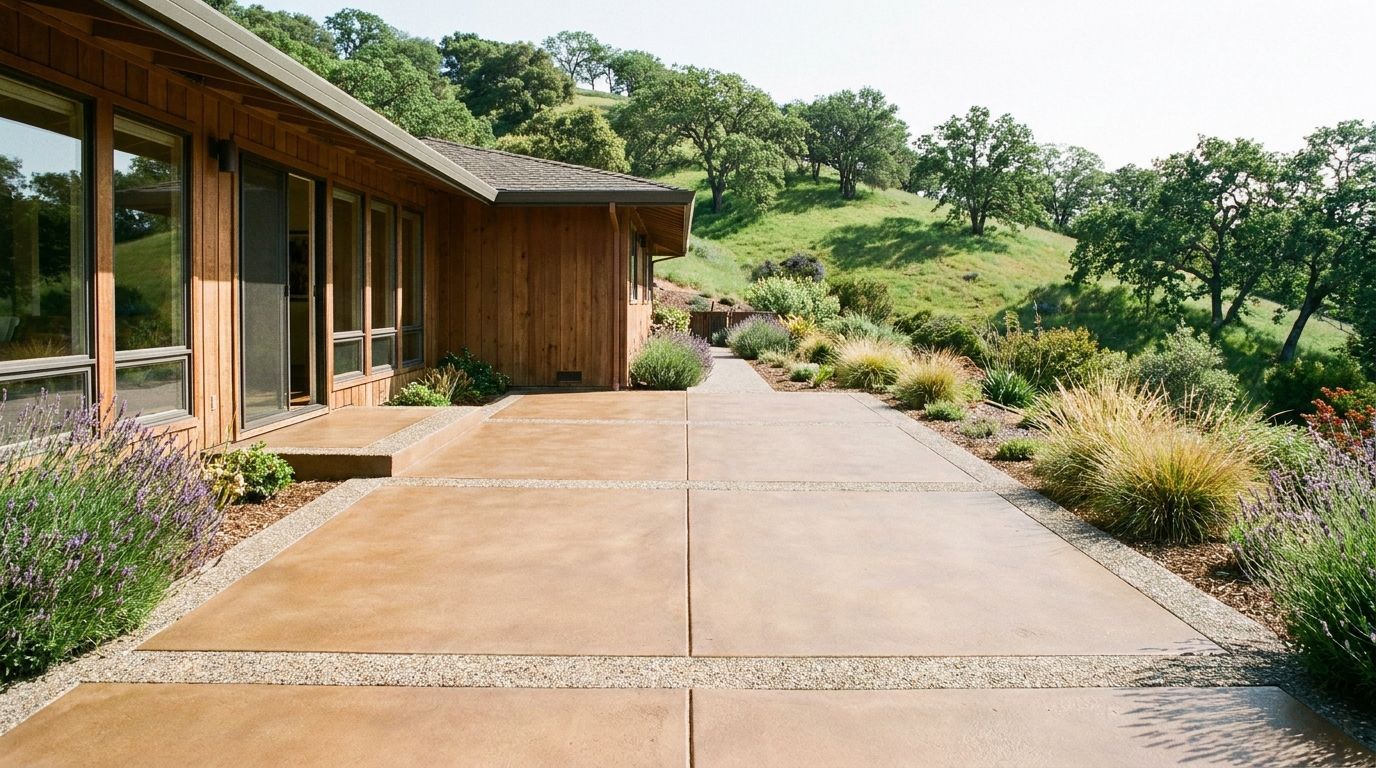
Curious about driveway paving costs in the Bay Area? Our guide explains pricing for concrete, asphalt, and pavers to help you budget for your next home project.
By Miguel Flores December 1, 2025
What are retaining walls? Discover how these game-changing structures help property owners deal with challenging terrain courtesy of Elite Development Builders.
By Miguel Flores November 3, 2025
Discover how to install synthetic turf like a pro. Here are the tools, steps, drainage tips, and pro shortcuts you need for Contra Costa County installs.
By Miguel Flores September 17, 2025
Discover what synthetic turf is, its benefits, installation process, and costs. Learn everything you need to know courtesy of Elite Development Builders.
Show More