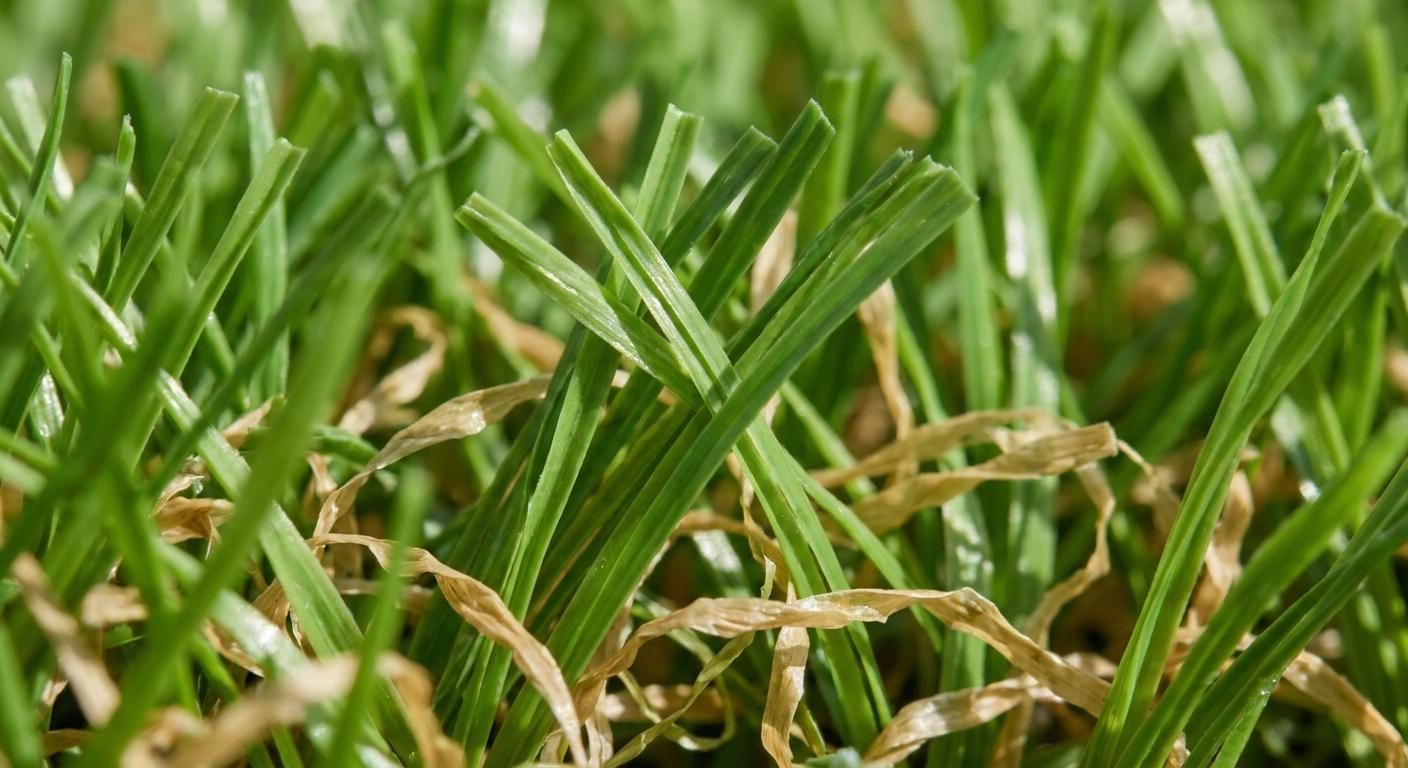
Artificial Turf Pros and Cons: Is Synthetic Grass Worth It?

April 29, 2026

Artificial turf eliminates watering, mowing, and fertilizing while maintaining a green appearance year-round, but it comes with higher upfront costs ($8–$15 per square foot installed) and retains more heat than natural grass during summer months. The investment typically pays for itself in water savings within 5 to 8 years for Contra Costa County homeowners.

After installing turf across dozens of East Bay properties, we've learned that the biggest source of satisfaction isn't product quality. It's whether the homeowner understood the tradeoffs before installation day. Those who research heat retention, drainage needs, and realistic maintenance expectations end up genuinely happy with the switch.

The Real Advantages of Synthetic Turf

 Synthetic turf solves specific problems that natural grass can't address in the East Bay's climate:

  • Water savings: A 1,000-square-foot natural lawn in Contra Costa County uses roughly 35,000 to 50,000 gallons of water annually. At current water district rates, that's $200 to $400 per year eliminated by switching to turf.
  • Zero mowing and fertilizing: No weekend mowing, no seasonal fertilizer applications, no reseeding patchy areas. The time savings alone justifies the switch for many Bay Area homeowners.
  • Drought compliance: California's water restrictions have hit East Bay communities repeatedly. Synthetic turf keeps your yard green regardless of mandatory conservation orders, which matters most in hotter inland cities like Brentwood and Antioch.
  • Year-round appearance: Turf stays green through the Bay Area's dry summers and wet winters without irrigation scheduling or seasonal dormancy.

Drawbacks Homeowners Should Know

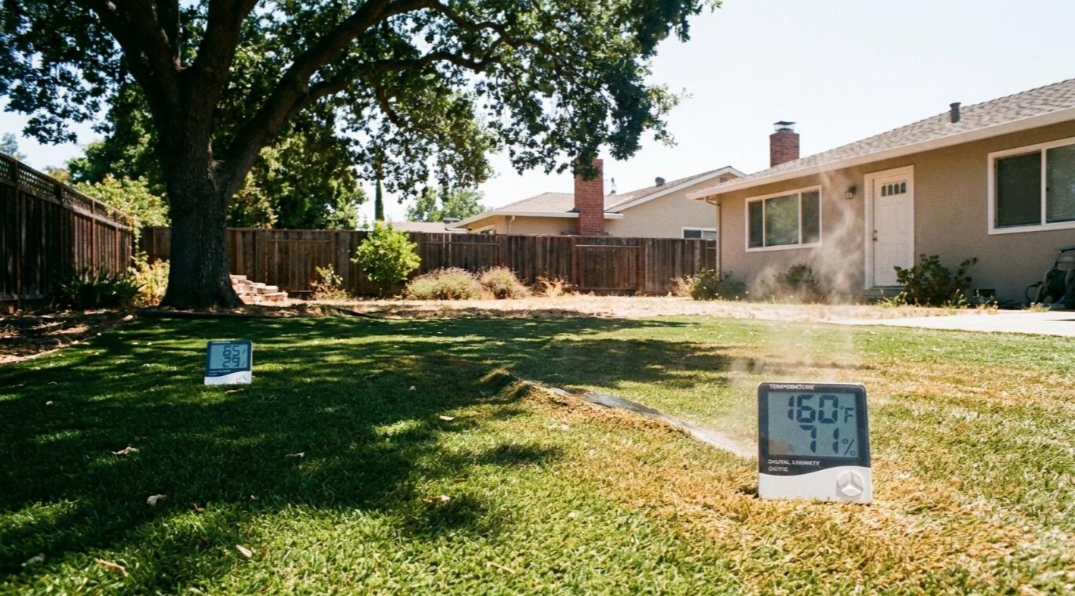
Front yard with lawn signs, a large tree, and a house in the background

No material is perfect, and synthetic turf has real limitations worth considering:

  • Heat retention: Artificial turf absorbs and radiates heat, reaching surface temperatures of 120°F to 150°F on hot summer days. In inland East Bay communities like Brentwood, Oakley, and Antioch, this makes barefoot use uncomfortable during peak afternoon hours.
  • Upfront cost: Professional installation runs $8 to $15 per square foot, meaning a 500-square-foot yard costs $4,000 to $7,500. That's significantly more than reseeding or sodding natural grass.
  • Ongoing care still required: Turf needs occasional brushing to keep fibers upright, rinsing to remove dust and pet waste, and infill replenishment every few years. It's low-maintenance, not zero-maintenance.
  • Environmental considerations: Synthetic turf doesn't support soil biology or provide natural cooling the way real grass does. End-of-life disposal is also a growing concern as older installations reach replacement age.

When Synthetic Turf Makes the Most Sense

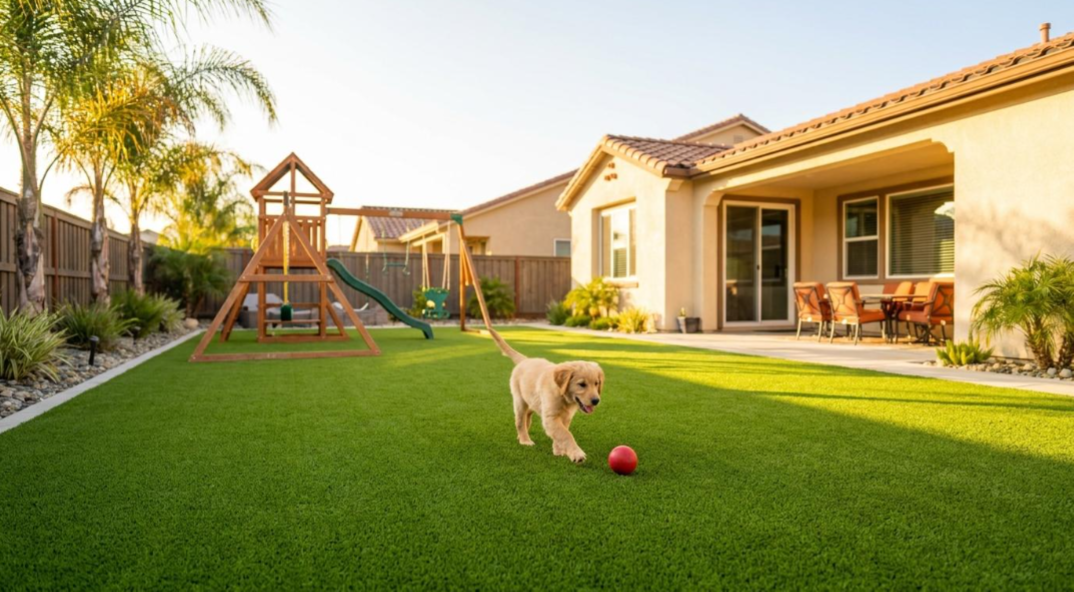
Small dog playing with a red ball on a sunny backyard lawn beside a patio and playset

Turf delivers its best value in specific situations:

  • Small to medium yards (under 1,500 sq ft) where upfront cost stays manageable and water savings accumulate fastest
  • Pet areas where natural grass gets destroyed by foot traffic and waste within a single season
  • Properties with poor soil or drainage where natural grass struggles regardless of how much time you spend maintaining it
  • Rental properties or second homes where minimal upkeep is a priority and consistent appearance matters for tenants or resale

In the East Bay, the strongest case for turf is in the hotter, drier eastern corridor. Cities like Pittsburg, Antioch, and Oakley face higher water costs and summer heat that makes lawn care exhausting. For synthetic turf installation in these communities, the payback period is often shorter than the Bay Area average. For a closer look at the installation process, our guide on installing synthetic turf walks through each step.

Frequently Asked Questions

How long does artificial turf last in the Bay Area?

Quality synthetic turf carries manufacturer ratings of 15 to 20 years with proper installation and basic maintenance. UV-stabilized fibers resist the Bay Area's sun exposure, though inland communities with more intense summer heat may see slightly shorter lifespans. Elite Development Builders uses turf products rated for California's UV conditions.

Does artificial turf get too hot to walk on barefoot?

On summer afternoons, turf surface temperatures can reach 120°F to 150°F in direct sun, which is noticeably hotter than natural grass. Spraying turf with water cools it within minutes. Installing turf under partial shade or adding landscape trees significantly reduces heat buildup in East Bay yards.

Is artificial turf worth the cost compared to natural grass?

For most Contra Costa County homeowners, turf pays for itself in water savings within 5 to 8 years and eliminates ongoing lawn care expenses. The investment makes the strongest financial sense in inland communities with higher water costs and for Antioch and Brentwood homeowners who value time savings alongside lower utility bills.

Get a Synthetic Turf Estimate for Your East Bay Home

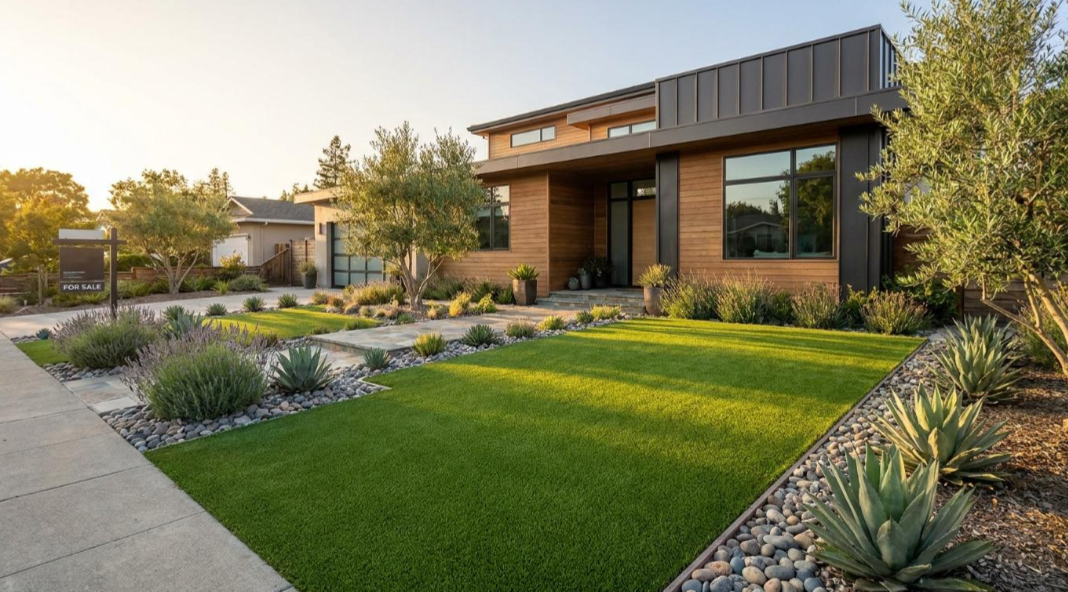
Modern house exterior with a manicured lawn, desert landscaping, and warm evening light

Synthetic turf works best when you choose it for the right reasons: water savings, reduced maintenance, and consistent appearance in a drought-prone climate. It's not the right fit for every yard or every budget, so understanding the tradeoffs upfront prevents disappointment down the road.

 Contact Elite Development Builders online or call (925) 504-7086 for a free synthetic turf estimate for your East Bay property.

By Miguel Flores May 28, 2026
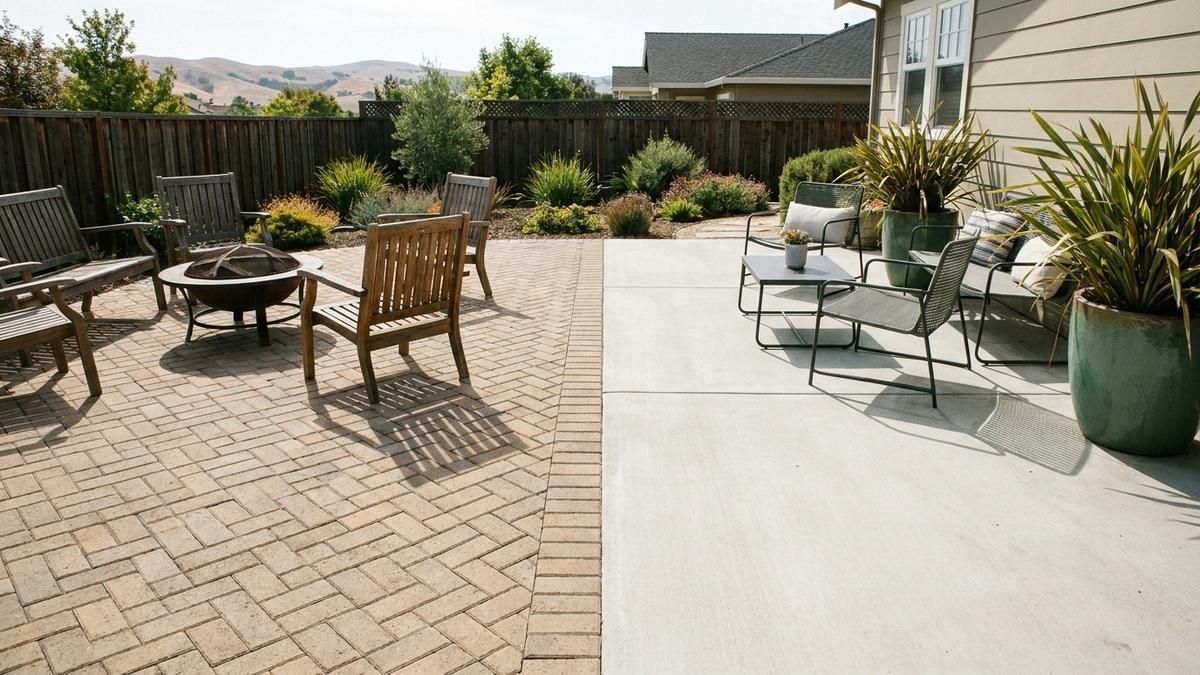
Compare pavers vs concrete costs, durability, and maintenance for East Bay patios and driveways. Get honest pricing for your Contra Costa County project.
By Miguel Flores May 25, 2026
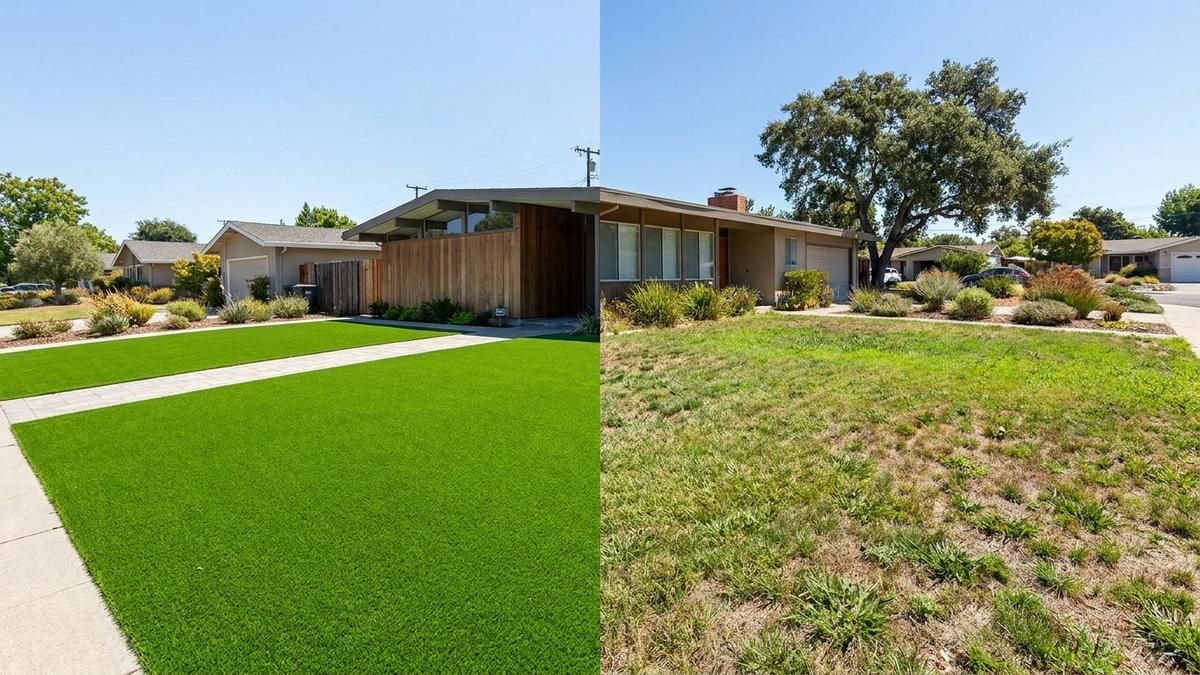
Compare artificial grass vs real grass costs, maintenance, and water savings for East Bay homeowners. Find which lawn works best in Contra Costa County.
By Miguel Flores May 21, 2026
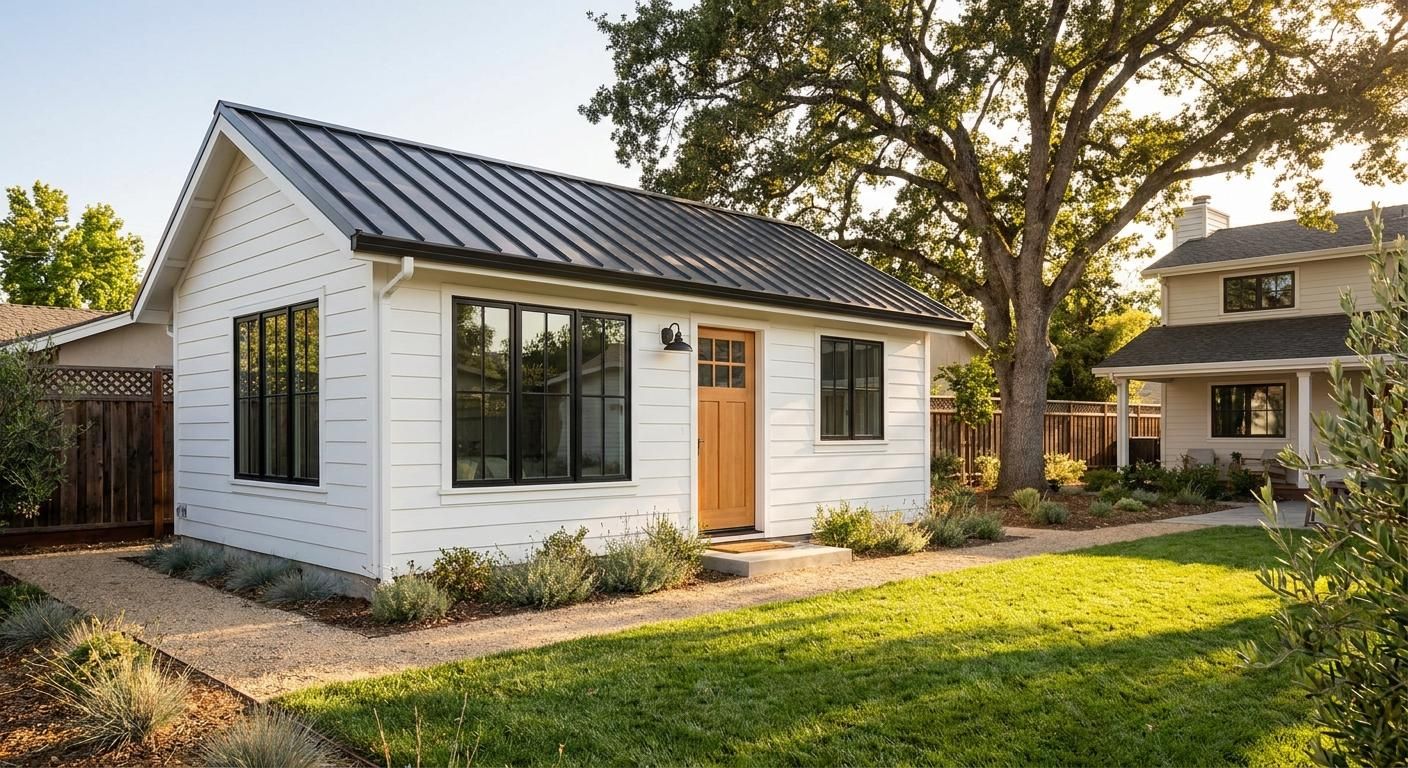
Compare ADU vs addition costs, rental income, and permits for East Bay homeowners. See which option adds more value in Contra Costa County.
By Miguel Flores May 18, 2026
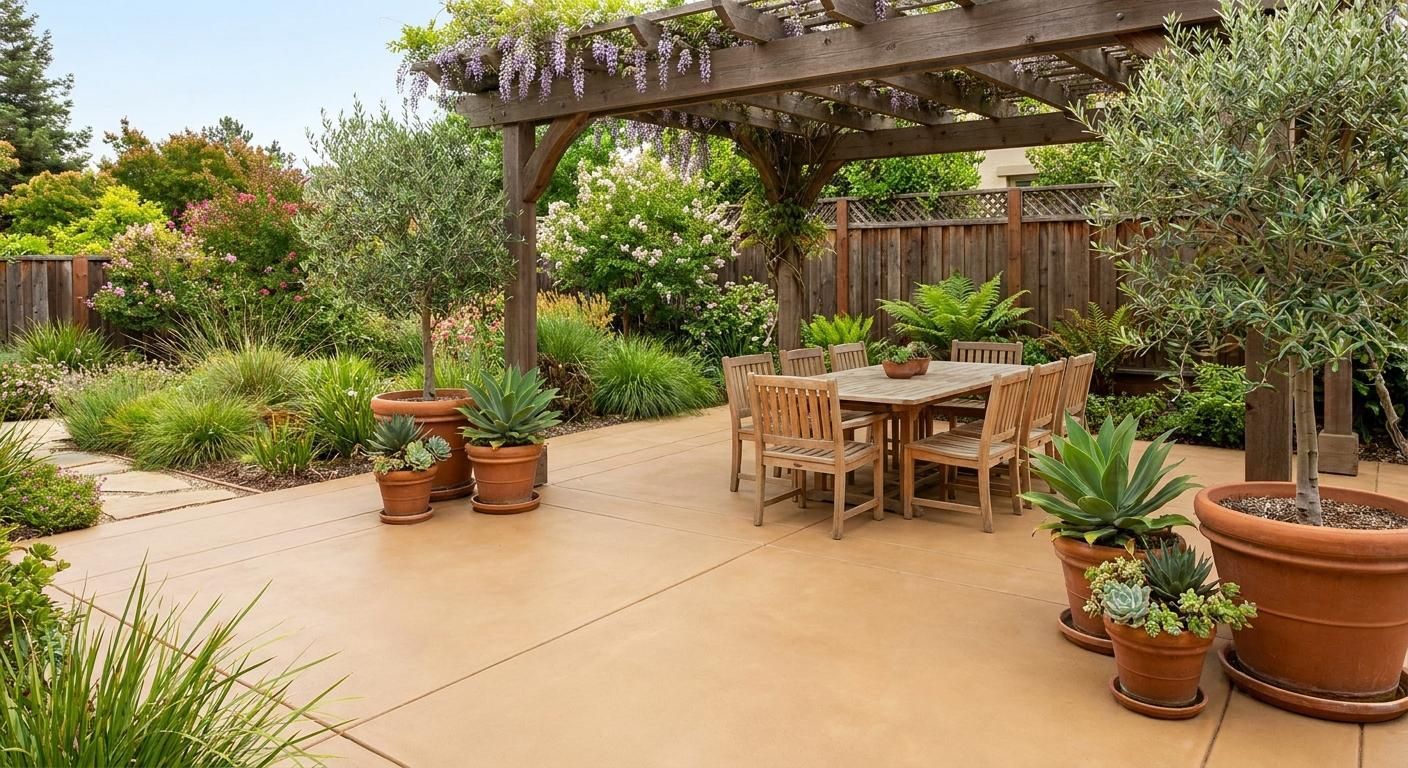
Stamped concrete patio costs range from $12 to $26 per square foot in the Bay Area. See pricing by pattern, size, and what affects your total cost.
By Miguel Flores May 15, 2026
ADU construction in the Bay Area costs $100,000 to $500,000, depending on type. See cost breakdowns for garage conversions, attached, and detached ADUs.
By Miguel Flores May 10, 2026
Artificial grass lasts 15 to 25 years with proper installation and care. Learn what affects its lifespan and how to maintain synthetic turf in the Bay Area.
By Miguel Flores May 6, 2026
Discover 25 retaining wall ideas for sloped Bay Area yards, including concrete, stone, timber, and terraced designs courtesy of Elite Development Builders.
By Miguel Flores May 2, 2026
Explore 15 concrete patio ideas for East Bay backyards. From broom finish to stamped patterns to multi-level designs, find styles that fit your yard.
Person pressure-washes a wet brick patio in a leafy backyard.
By Miguel Flores April 22, 2026
Compare stamped concrete and pavers in terms of cost, durability, and maintenance. Get an honest breakdown for East Bay homeowners from local contractors.
Terraced stone garden beds at sunset with lush plants and a distant coastal view
By Miguel Flores April 15, 2026
Learn how retaining wall drainage prevents structural failure. Elite Development Builders shares East Bay drainage solutions and warning signs.
Show More