What Are Retaining Walls? Everything You Should Know Before Building

December 1, 2025

If your yard feels more like a hillside than a hangout spot, you’re not alone. Many Contra Costa County homeowners deal with slopes, erosion, and wasted outdoor space. The good news? The right retaining wall can change everything. This article explores what retaining walls are, how they work, and why homeowners across Contra Costa County trust Elite Development Builders to build them right.


What Is a Retaining Wall? 

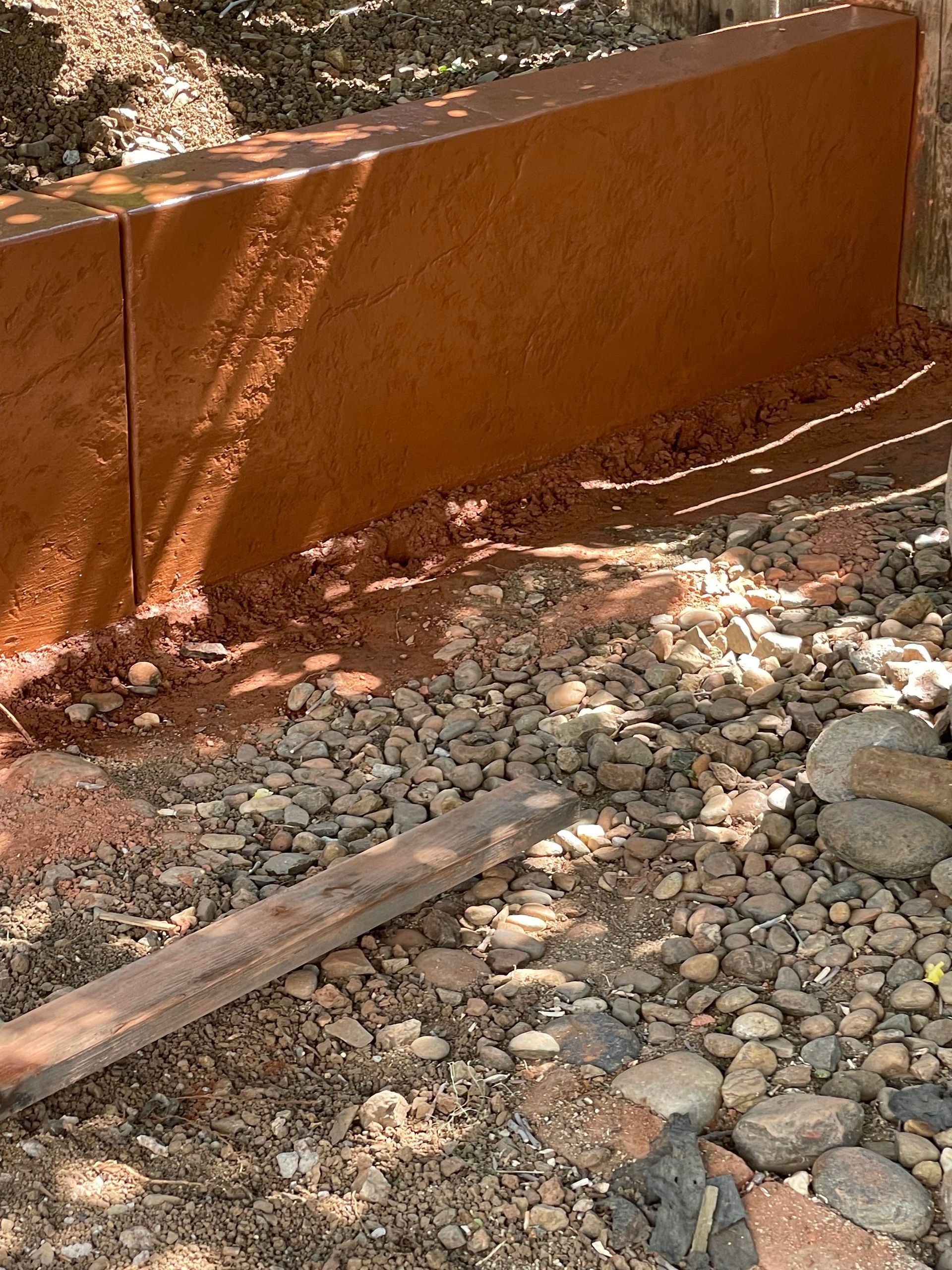
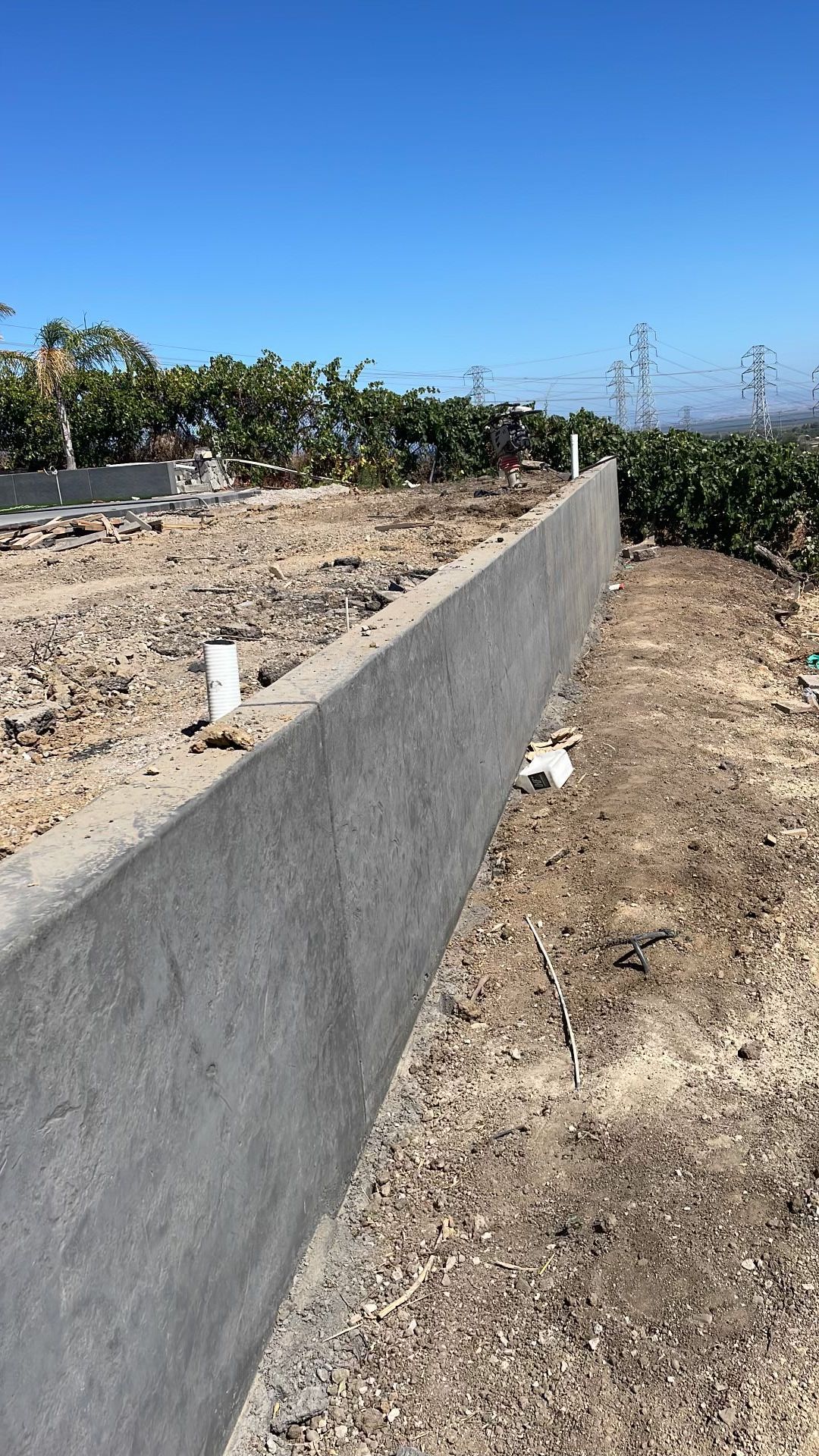
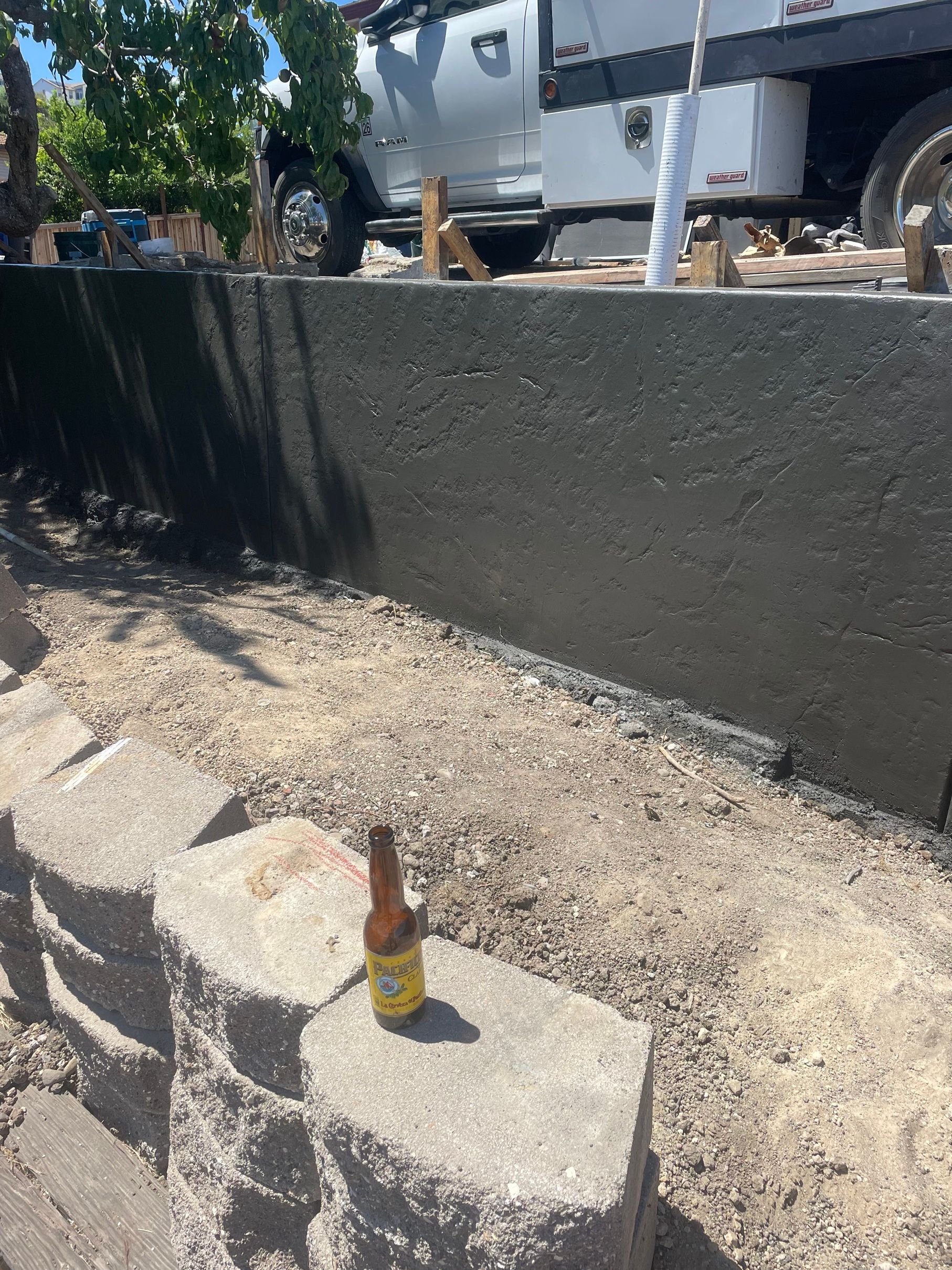
A retaining wall is an engineered structure built to hold back soil, prevent erosion, and direct water away from foundations. It helps stabilize sloped properties and transforms steep, unused areas into level, functional spaces that can become patios, gardens, or parking.


In the Bay Area's hilly terrain, retaining walls are particularly valuable. A hillside property in Orinda might use a terraced retaining wall to create level areas for landscaping, while a home in Walnut Creek could install a concrete retaining wall to protect a sloped driveway from washout.


Many homeowners underestimate the complexity involved in constructing retaining walls. These aren't simple stacked stone barriers. They're engineered systems that must account for soil pressure, drainage, and seismic forces.


Types of Retaining Walls

The right retaining wall depends on your property’s slope, soil type, wall height, and the look you’re going for. Here’s a quick rundown of the most common options:


Segmental Retaining Walls (SRW)

Segmental retaining walls are built with interlocking concrete blocks that fit together like puzzle pieces. They’re strong, flexible, and great for residential landscapes. Because they handle curves and corners easily, they work well for garden terraces or decorative walls around patios. Most SRW systems can handle walls approximately 4 to 6 feet high, though the actual maximum height depends on the block type, soil conditions, and whether geogrid reinforcement is used.


Concrete Retaining Walls

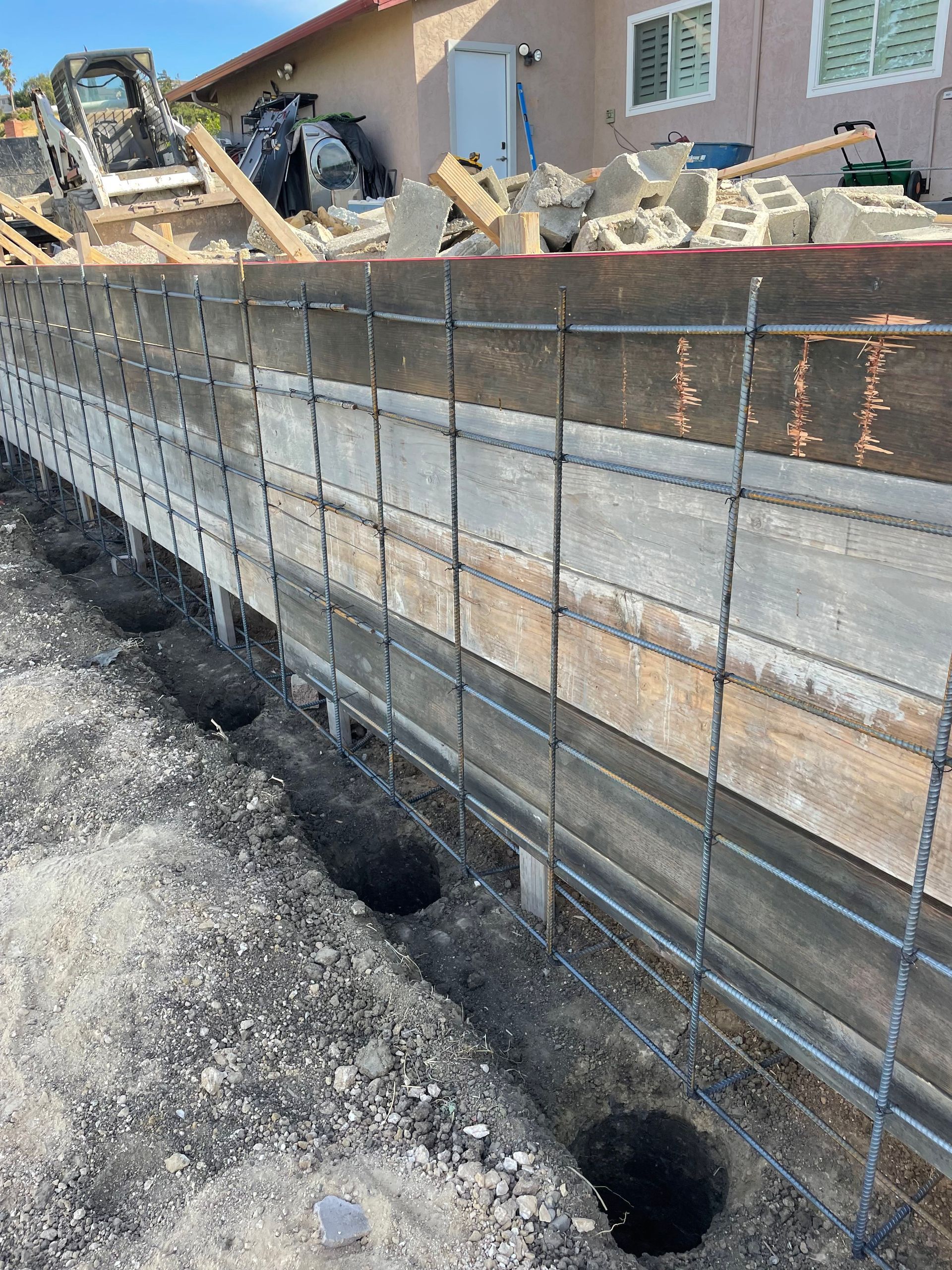
Concrete retaining walls—either poured-in-place or made from concrete masonry units (CMUs)—are the go-to for taller or heavier-duty applications. Reinforced with steel rebar and a solid concrete foundation, these walls can handle major soil pressure. They’re common in commercial spaces and residential properties that require walls taller than 6 feet.


Other Options

Timber retaining walls are a budget-friendly, natural-looking choice for smaller or temporary projects, though they don’t last as long as concrete. Gabion walls, made of wire baskets filled with rock, offer great drainage and a rustic look. For especially steep or tight spaces, anchored retaining wall systems use buried tiebacks to provide additional stability. These walls are typically engineered and require professional design and installation.


Design Essentials for a Strong Retaining Wall

Building a strong, long-lasting retaining wall means paying attention to key design details:


Drainage

Drainage is the most important factor. When water accumulates behind a wall, it creates pressure that can cause concrete cracking or collapse. Every wall should include a perforated drain pipe at the base, surrounded by gravel and wrapped in filter fabric to keep soil out. Adding weep holes helps water escape and reduces stress on the structure.


Solid Foundation

The base must be stable, level, and properly compacted. On sloped yards, the foundation is often stepped to maintain consistent depth and support.


Proper Reinforcement

Reinforcement depends on the wall type. Segmental walls often use geogrid mesh anchored in the soil, while concrete walls rely on rebar for strength. In the Bay Area, earthquake-proof features are especially important to prevent shifting or wall failure over time.


Are Retaining Walls a Smart DIY Project?

DIY retaining walls are suitable for small projects, such as garden borders or low segmental block walls under 3 feet, provided the ground is level and drains well. You’ll need basic tools, careful prep, and close attention to manufacturer specifications.


For anything taller, more complex, or near property lines, professional help is the smarter choice. Larger walls need engineering, drainage design, and proper permitting. A poorly built wall can lead to property damage or costly repairs later.


At Elite Development Builders, we handle every phase—from soil evaluation and design to excavation, base prep, and drainage installation. Our experienced crews ensure safe, code-compliant construction that’s built to last.


Elite Development Builders: Build It Right the First Time

What are retaining walls? Aside from being functional necessities, they're investments in your property's usability and value. Whether you need a simple segmental block wall or a complex engineered concrete structure, the key is building it right the first time. Elite Development Builders combines technical expertise with local knowledge to deliver solutions that work and stand the test of time. Contact us to turn your sloped terrain into a highly usable area.

Modern house with a manicured green lawn, desert landscaping, and warm sunset light
By Miguel Flores April 29, 2026
Weigh the real pros and cons of artificial turf for East Bay homes. Consider water savings, heat, costs, and maintenance as explained by local installers.
Person pressure-washes a wet brick patio in a leafy backyard.
By Miguel Flores April 22, 2026
Compare stamped concrete and pavers in terms of cost, durability, and maintenance. Get an honest breakdown for East Bay homeowners from local contractors.
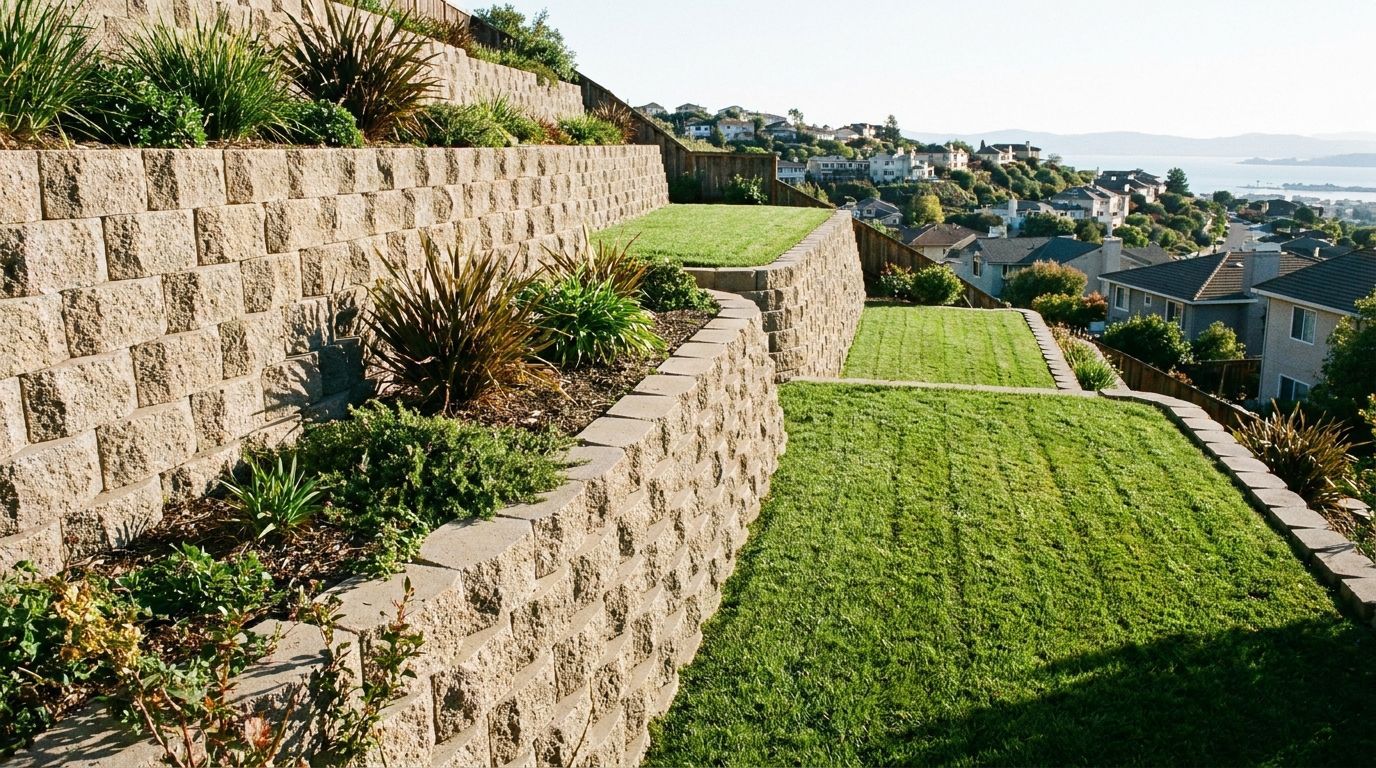
Terraced stone garden beds at sunset with lush plants and a distant coastal view
By Miguel Flores April 15, 2026
Learn how retaining wall drainage prevents structural failure. Elite Development Builders shares East Bay drainage solutions and warning signs.
Unfinished garage interior with exposed framing, tools on the floor, and daylight opening to the outside.
By Miguel Flores April 10, 2026
ADU garage conversion costs in California range from $80K to $200K. See what East Bay homeowners pay and how to budget for your project.
By Miguel Flores March 2, 2026
Retaining wall costs vary widely based on material, height, and soil. Here's what East Bay homeowners should budget for in 2026.
By Miguel Flores February 2, 2026
Learn about 5 of the major retaining wall types: poured concrete, concrete block, timber, stone, & gabion. Find out which suits East Bay hillside properties.
By Miguel Flores January 2, 2026
Curious about driveway paving costs in the Bay Area? Our guide explains pricing for concrete, asphalt, and pavers to help you budget for your next home project.
By Miguel Flores November 3, 2025
Discover how to install synthetic turf like a pro. Here are the tools, steps, drainage tips, and pro shortcuts you need for Contra Costa County installs.
By Miguel Flores October 1, 2025
How much does home demolition cost? Elite Development Builders shares cost estimates, expenses you need to be aware of, and how you can save some money.
By Miguel Flores September 17, 2025
Discover what synthetic turf is, its benefits, installation process, and costs. Learn everything you need to know courtesy of Elite Development Builders.
Show More