Stamped Concrete vs Pavers: Cost, Durability, and Maintenance Compared

April 22, 2026

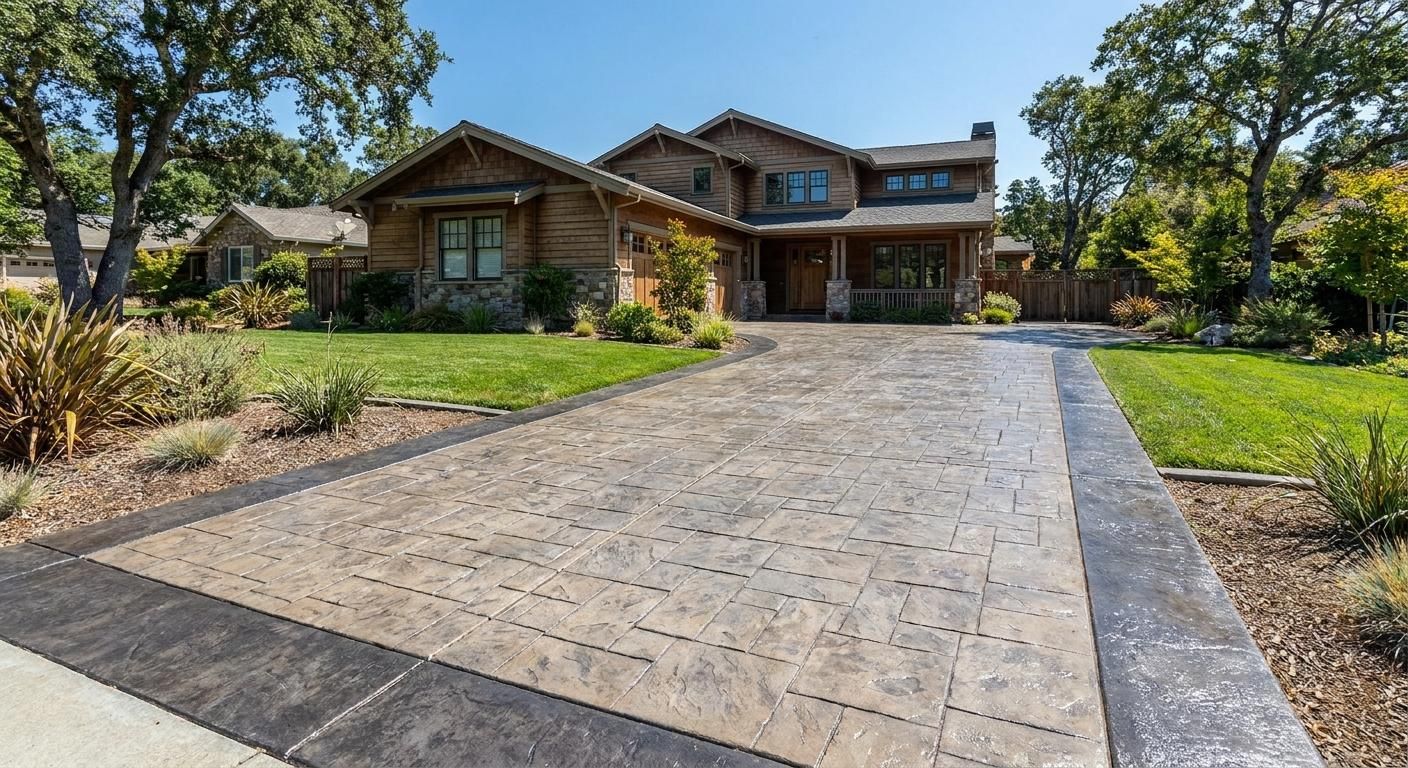
Stamped concrete costs $12 to $25 per square foot installed, while pavers range from $15 to $30 per square foot, depending on material and pattern complexity. Both options suit East Bay driveways and patios, but they differ in repair flexibility, long-term maintenance, and how they handle the region's clay soil movement. Elite Development Builders installs pavers and concrete throughout Contra Costa County and helps homeowners weigh the performance of each option before they commit.

If you're comparing stamped concrete against pavers for your next driveway or patio, you're looking at two materials that look similar on the surface but behave very differently over time. The right choice depends less on appearance and more on your soil conditions, maintenance tolerance, and whether you value repairability over seamless surface coverage.

Cost Breakdown: Stamped Concrete vs Pavers

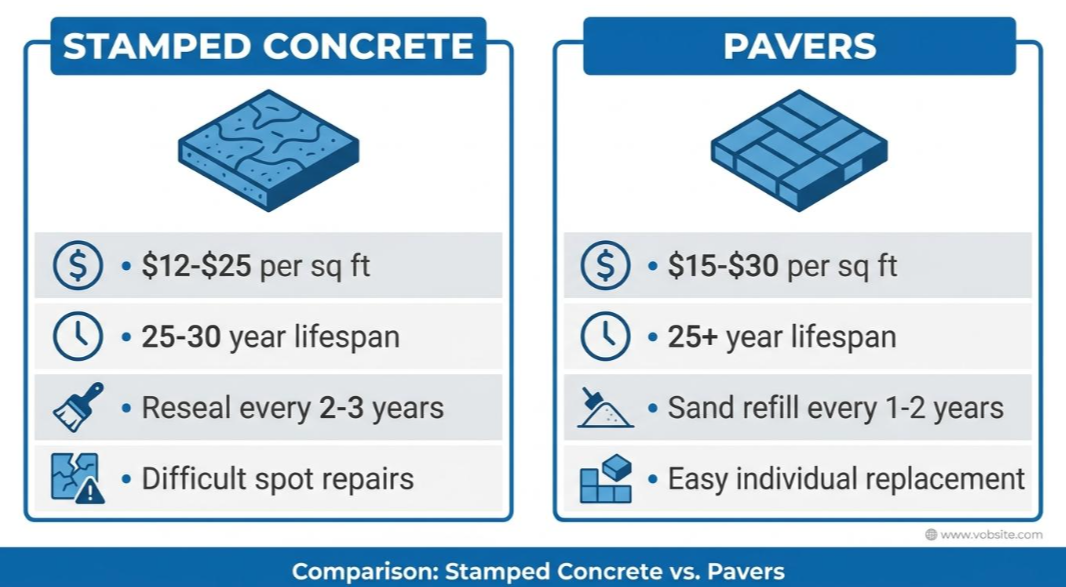
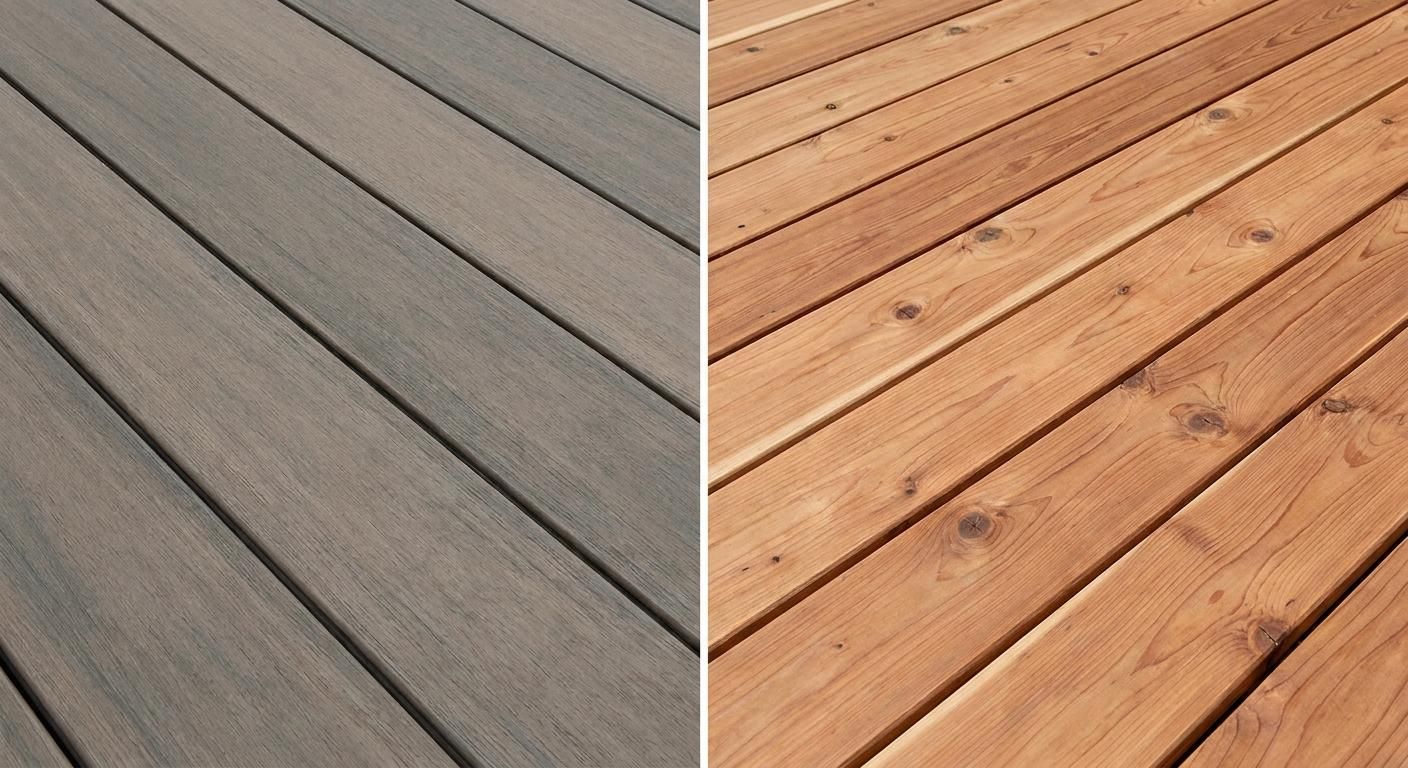
Infographic comparing stamped concrete and pavers, with durability, lifespan, and maintenance icons.

For a typical 400-square-foot East Bay patio, here's what each option costs:

  • Stamped concrete: $4,800–$10,000 total ($12–$25/sq ft). Includes excavation, base prep, pouring, stamping, and sealing. Color hardener and release agent are included in most contractor quotes.
  • Pavers: $6,000–$12,000 total ($15–$30/sq ft). Includes excavation, compacted base, sand setting bed, paver installation, and polymeric sand joints.

Stamped concrete's lower material cost is partly offset by the higher labor intensity during the pour, as the stamping process demands speed and precision while the concrete is still workable. Pavers cost more upfront, but individual units can be replaced if damaged. In the East Bay, driveway paving projects often run 10% to 15% above national averages due to Bay Area labor rates and extra base preparation for clay soil.

Durability and Lifespan in Bay Area Conditions

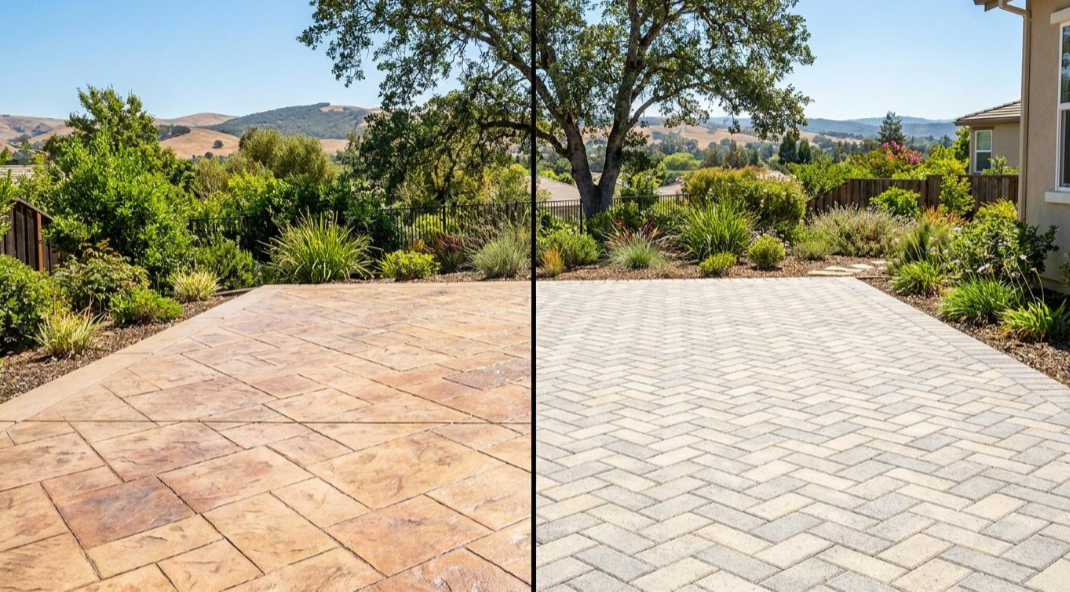
Side-by-side view of a patio before and after resurfacing, with landscaping and hills in the background

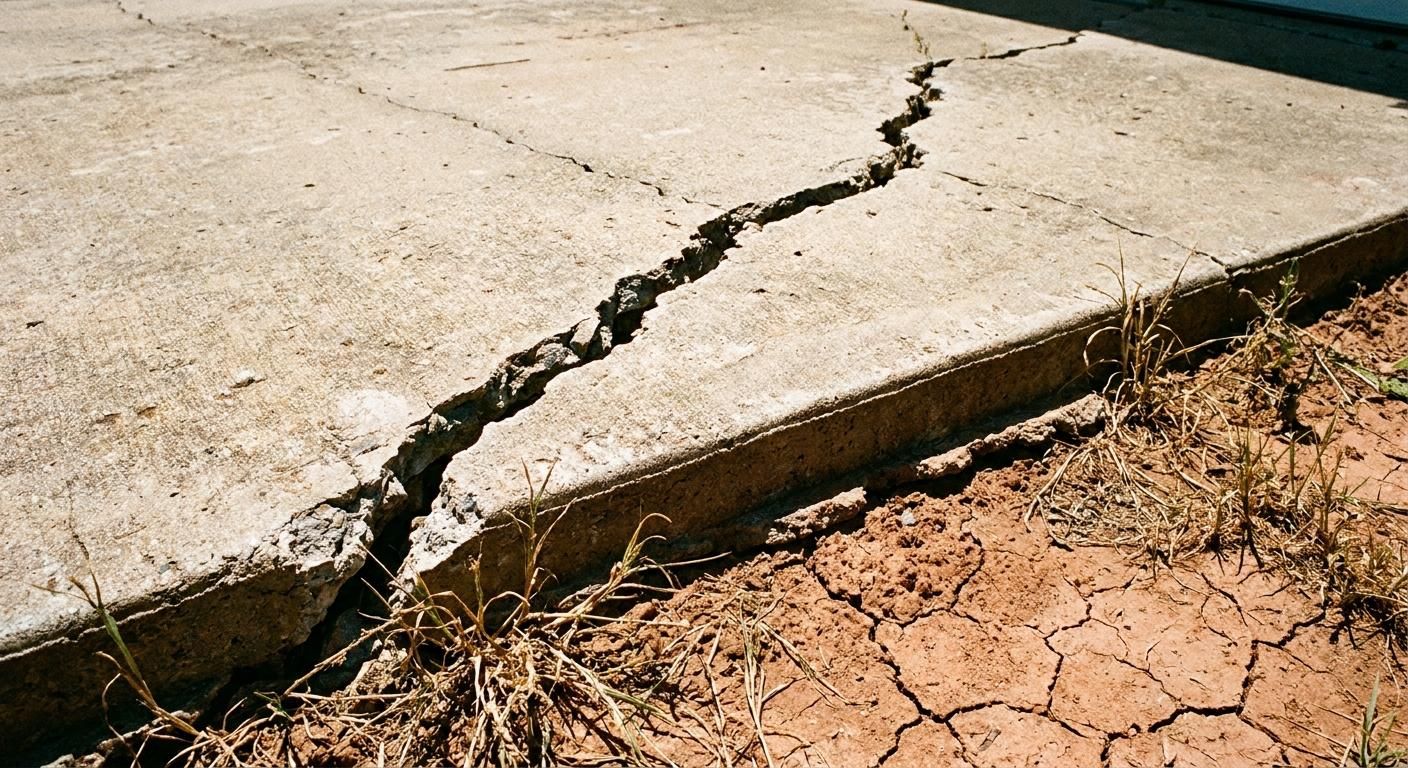
Stamped concrete is designed to last 25 to 30 years with proper installation and periodic resealing. The biggest threat in the East Bay is sub-base movement from expansive clay soil. When the ground shifts, a monolithic concrete slab can crack. Once it cracks, stamped concrete is difficult to patch without creating visible repair lines.

Pavers handle ground movement differently. Because each unit is independent, minor soil shifting redistributes across joints rather than concentrating into a single crack. This makes pavers more forgiving on East Bay clay, especially in areas with significant seasonal moisture changes.

Both materials perform well against the Bay Area's common concrete installation challenges , but their failure modes differ. Stamped concrete cracks; pavers shift and settle. Your tolerance for each type of wear should factor into the decision.

Maintenance Requirements Over Time

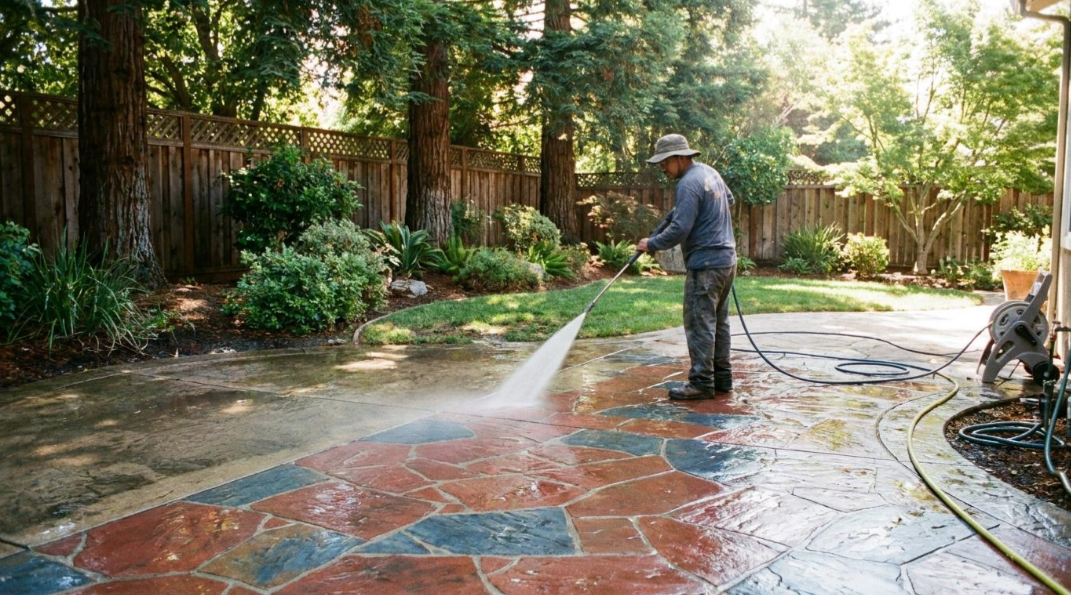
Worker pressure-washing a red brick patio in a sunny garden with trees and plants

Stamped concrete and pavers have different required maintenance schedules and long-term costs that homeowners must consider before installation.

Stamped Concrete Maintenance

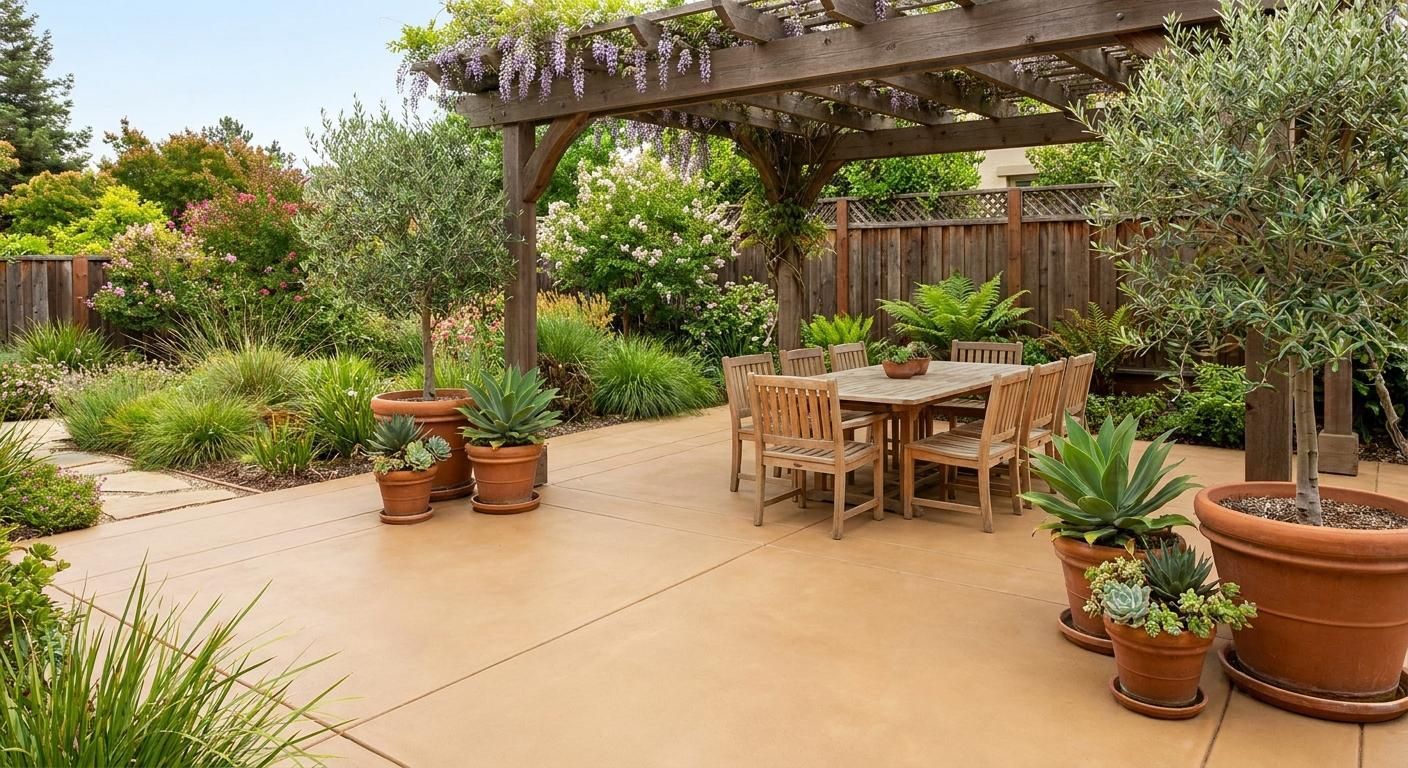
Stamped concrete requires resealing every 2 to 3 years to maintain its color and protect against moisture penetration. Resealing costs $0.50 to $1.50 per square foot. Skip this step and the surface fades, develops white discoloration, and becomes more vulnerable to surface scaling in the East Bay's cooler hillside communities.

Paver Maintenance

Pavers need periodic sand replenishment in the joints every 1 to 2 years and occasional releveling of shifted units. Weed growth between joints is the most common complaint, though polymeric sand significantly reduces this issue. Individual damaged pavers can be pulled and replaced for $5 to $15 per unit without affecting the surrounding surface.

Over a 20-year span, stamped concrete maintenance totals roughly $2,000 to $4,000, while paver maintenance runs $1,500 to $3,500. The cost difference is marginal, but pavers give you the option to address specific areas independently. Elite Development Builders provides paver and concrete services tailored to East Bay soil and climate conditions.

Frequently Asked Questions

Is stamped concrete cheaper than pavers for a driveway?

Stamped concrete typically costs 15% to 30% less than pavers for the same area. For a standard two-car driveway in the East Bay, that translates to saving $2,000 to $4,000 by choosing stamped concrete. However, pavers offer easier spot repairs, which can reduce long-term costs if individual sections sustain damage from tree roots or soil movement.

Which lasts longer in the Bay Area: stamped concrete or pavers?

Both materials carry industry ratings of 25+ years with proper maintenance. Pavers have an edge on East Bay clay soil because they flex with ground movement rather than cracking. Stamped concrete performs better on stable, well-prepared bases where soil movement is minimal. Elite Development Builders recommends pavers for properties where soil is known to shift.

Can stamped concrete be made to look like pavers?

Stamped concrete can closely replicate the appearance of brick, cobblestone, or natural stone pavers using pattern stamps and color hardener. The difference is in texture and joint depth. Stamped patterns are surface-level impressions on a continuous slab, while actual pavers have genuine joints between independent units.

Which Material Fits Your Property?

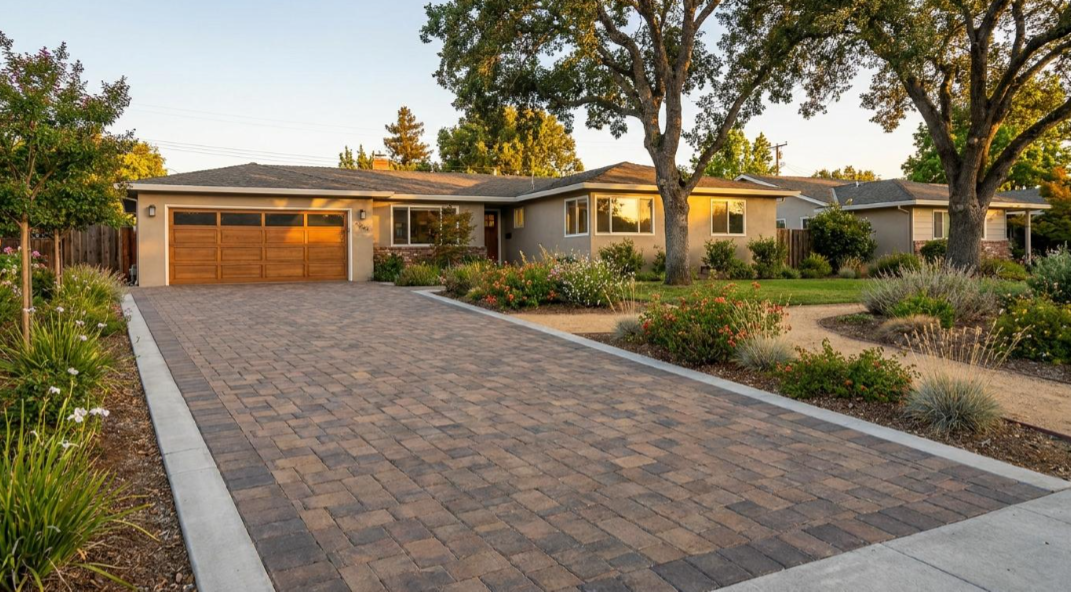
Modern house with brick driveway, garage, and landscaped front yard at sunset

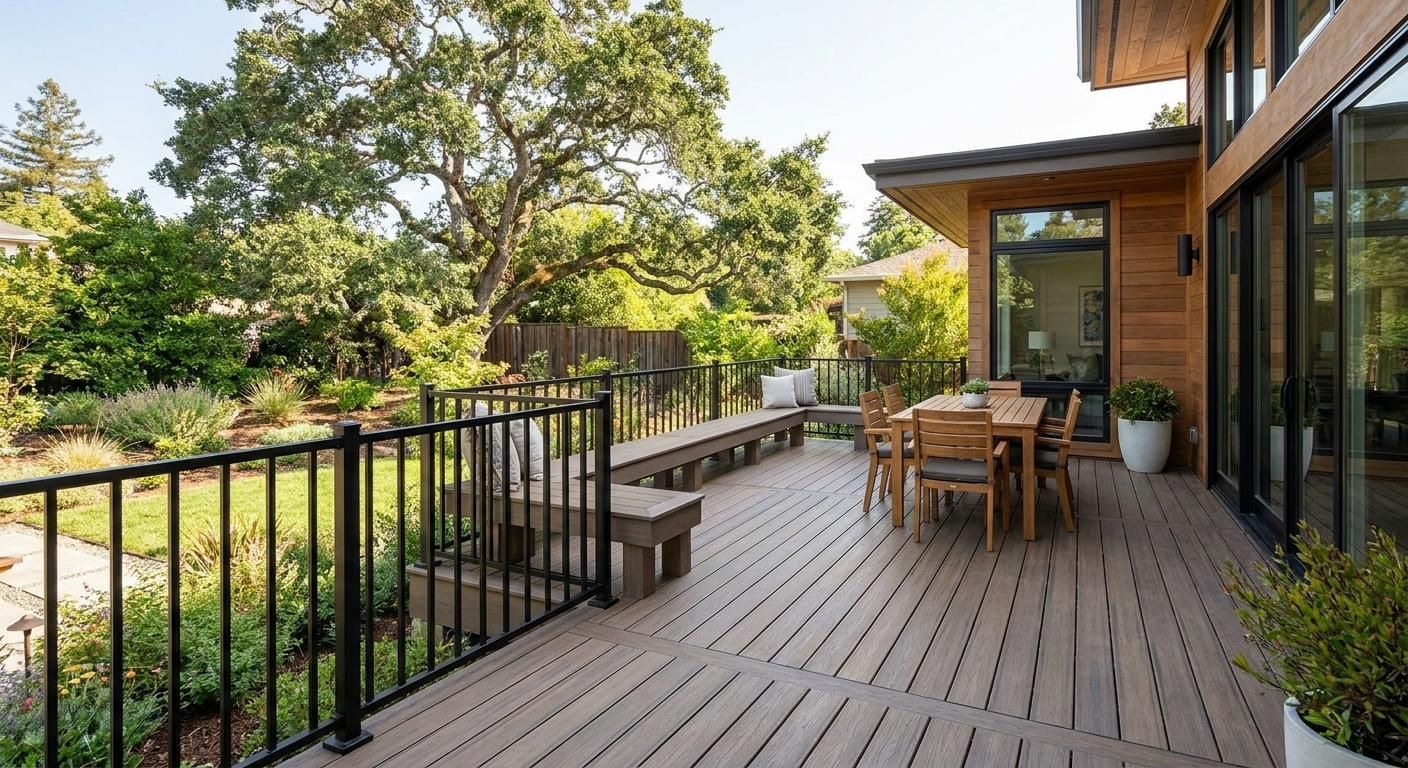
Choosing between stamped concrete and pavers comes down to your priorities. Stamped concrete offers a lower upfront cost and a seamless appearance, while pavers provide greater flexibility with shifting soil and easier long-term repairs. For Danville and other East Bay communities with sloped or clay-heavy lots, that repairability advantage often tips the decision.

 Contact Elite Development Builders online or call (925) 504-7086 for a free quote on your driveway or patio project.

By Miguel Flores May 28, 2026
Compare pavers vs concrete costs, durability, and maintenance for East Bay patios and driveways. Get honest pricing for your Contra Costa County project.
By Miguel Flores May 25, 2026
Compare artificial grass vs real grass costs, maintenance, and water savings for East Bay homeowners. Find which lawn works best in Contra Costa County.
By Miguel Flores May 21, 2026
Compare ADU vs addition costs, rental income, and permits for East Bay homeowners. See which option adds more value in Contra Costa County.
By Miguel Flores May 18, 2026
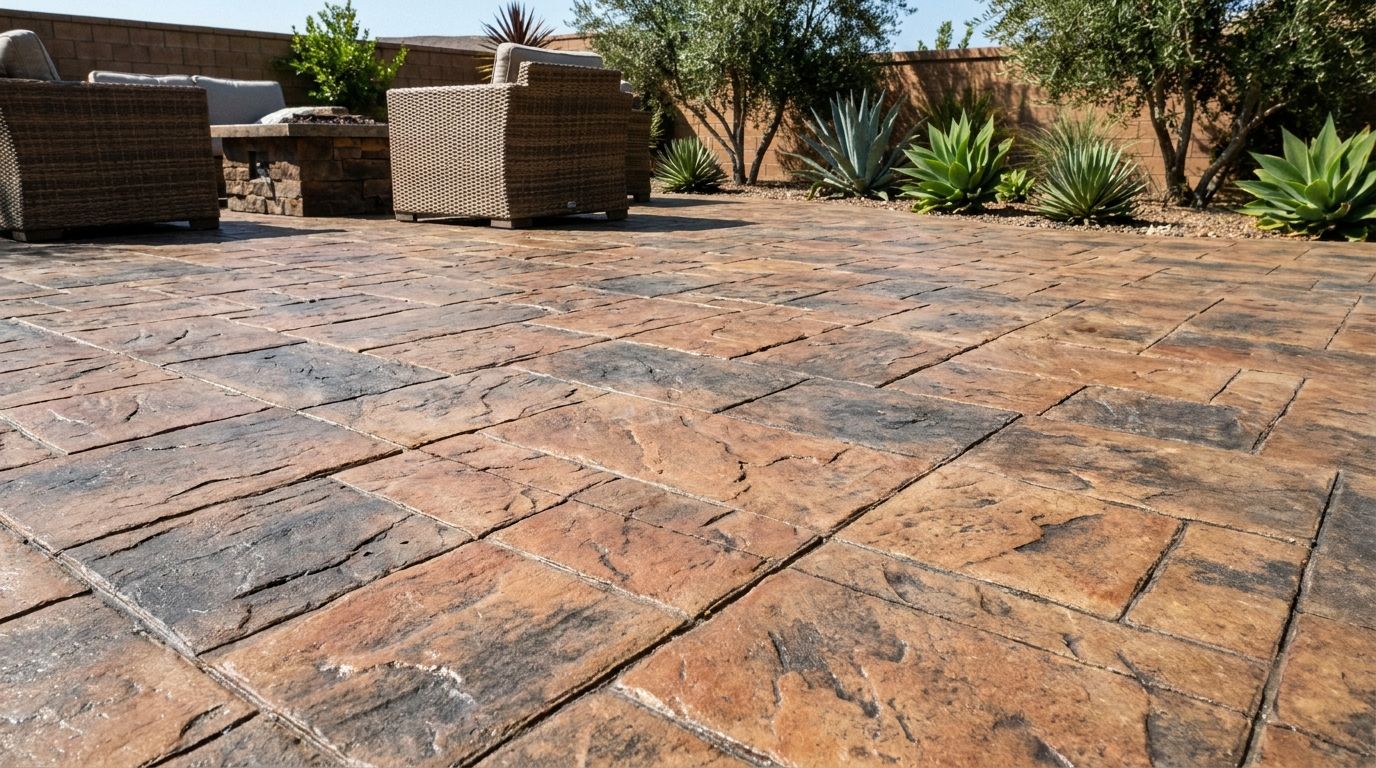
Stamped concrete patio costs range from $12 to $26 per square foot in the Bay Area. See pricing by pattern, size, and what affects your total cost.
By Miguel Flores May 15, 2026
ADU construction in the Bay Area costs $100,000 to $500,000, depending on type. See cost breakdowns for garage conversions, attached, and detached ADUs.
By Miguel Flores May 10, 2026
Artificial grass lasts 15 to 25 years with proper installation and care. Learn what affects its lifespan and how to maintain synthetic turf in the Bay Area.
By Miguel Flores May 6, 2026
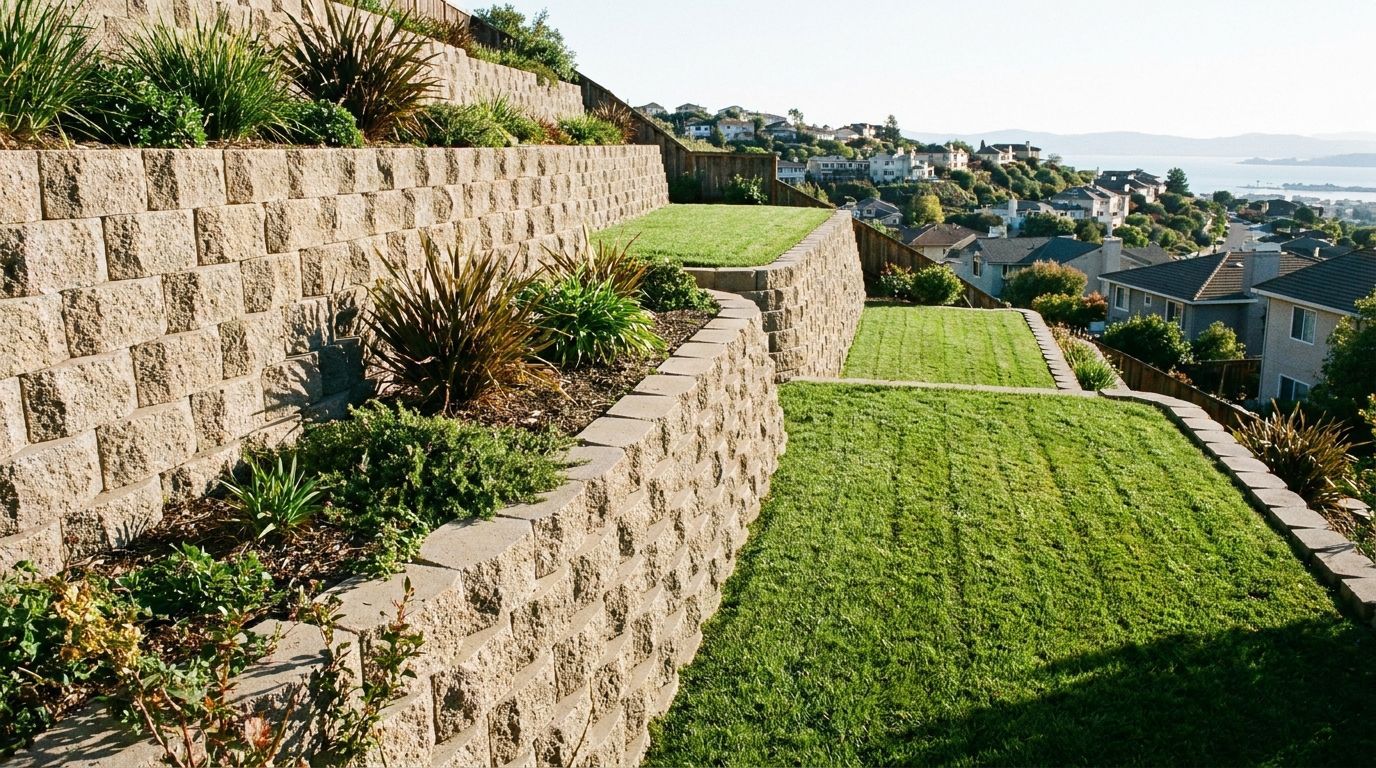
Discover 25 retaining wall ideas for sloped Bay Area yards, including concrete, stone, timber, and terraced designs courtesy of Elite Development Builders.
By Miguel Flores May 2, 2026
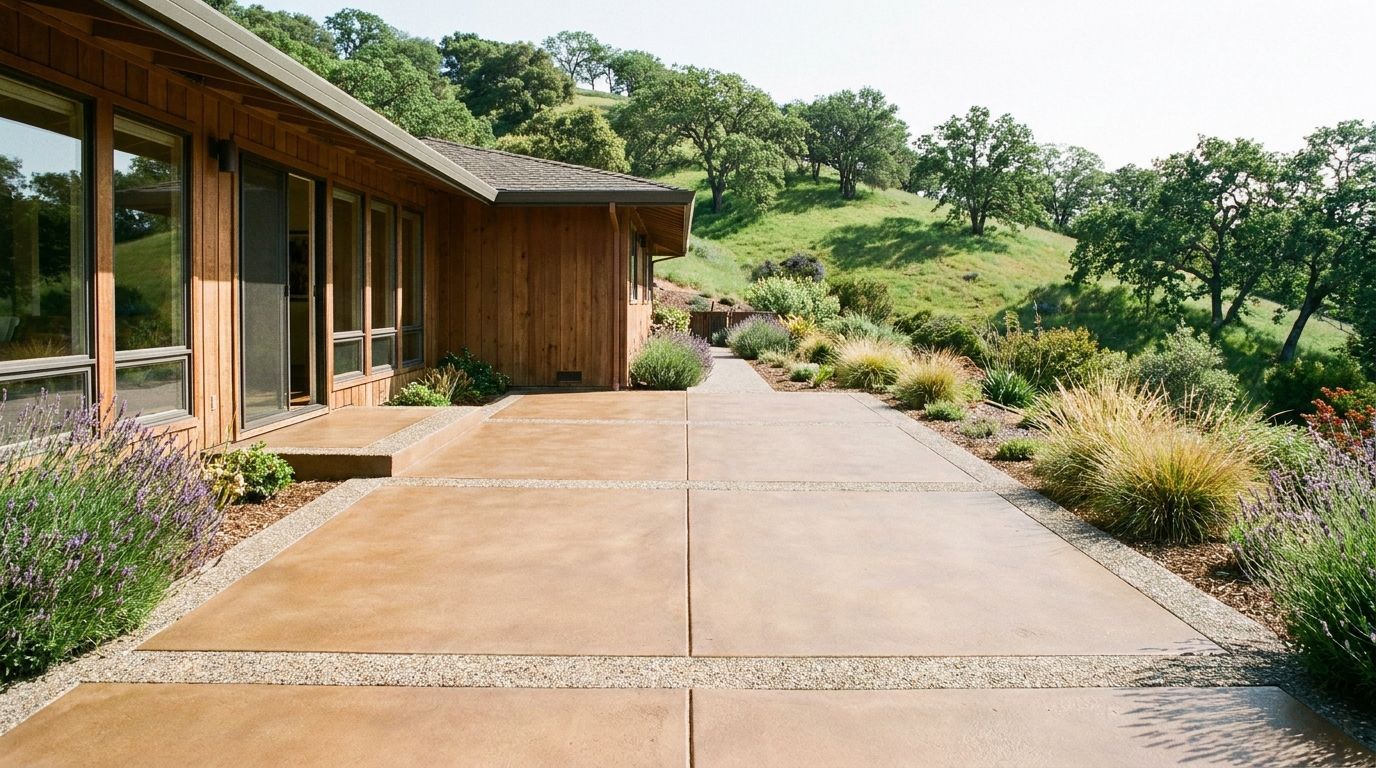
Explore 15 concrete patio ideas for East Bay backyards. From broom finish to stamped patterns to multi-level designs, find styles that fit your yard.
Modern house with a manicured green lawn, desert landscaping, and warm sunset light
By Miguel Flores April 29, 2026
Weigh the real pros and cons of artificial turf for East Bay homes. Consider water savings, heat, costs, and maintenance as explained by local installers.
Terraced stone garden beds at sunset with lush plants and a distant coastal view
By Miguel Flores April 15, 2026
Learn how retaining wall drainage prevents structural failure. Elite Development Builders shares East Bay drainage solutions and warning signs.
Show More