
Concrete Slab Contractor in Pittsburg, Oakland, CA & Across the East Bay
Elite Development Builders pours steel-reinforced concrete slabs for garages, workshops, additions and equipment pads across Pittsburg, Oakland and Contra Costa County. Licensed and insured, based in Pittsburg, and every slab goes down on a compacted base with steel in it.
Licensed & Insured
Free On-Site Estimate
Firm Written Bid
Crack-Resistant Concrete Slabs in Pittsburg, Oakland & Nearby East Bay Communities
Every slab we pour covers excavation to depth, a compacted aggregate base, steel reinforcement, control joints and a monitored cure, sized to the load above it.
Contra Costa County sits on expansive clay. It swells through wet winters and shrinks through dry summers, and a slab poured on loose fill moves with it.
That movement is what turns a hairline crack into a structural one. The mix is rarely the problem. The base under it is.
Every concrete slab we pour begins with excavation to depth and a compacted aggregate base, then forming and steel reinforcement before any concrete is placed. The pour is finished, jointed and cured on a monitored schedule.
It is slower than pouring over graded dirt. It is also why our slabs stay flat.
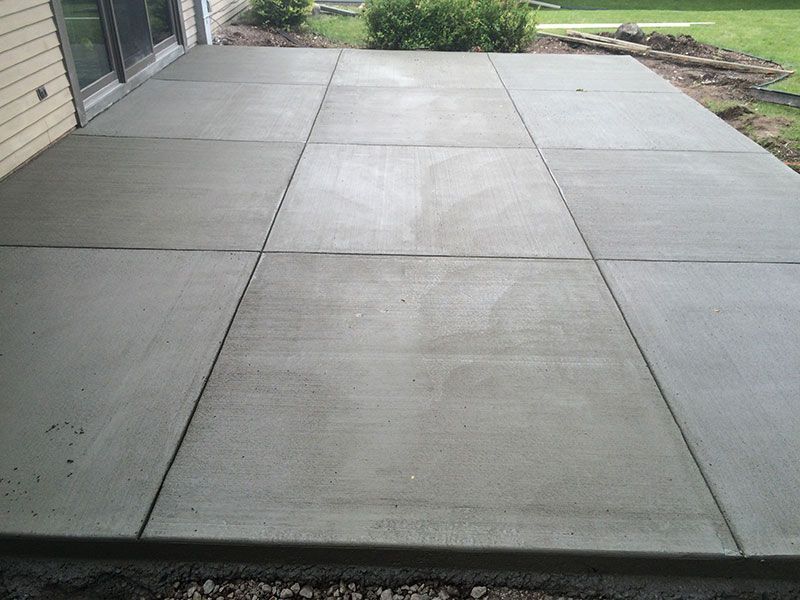
Why Elite Development Builders
Concrete slab work is structural, so what happens before the pour matters more than anything said about it afterwards.
Licensed & Insured
Free On-Site Estimate
Firm Written Bid
Full Site Cleanup
Pittsburg-Based Crew
Steel-Reinforced Every Pour
Not every slab carries the same load, so we size thickness, base depth and reinforcement to what will actually sit on it.
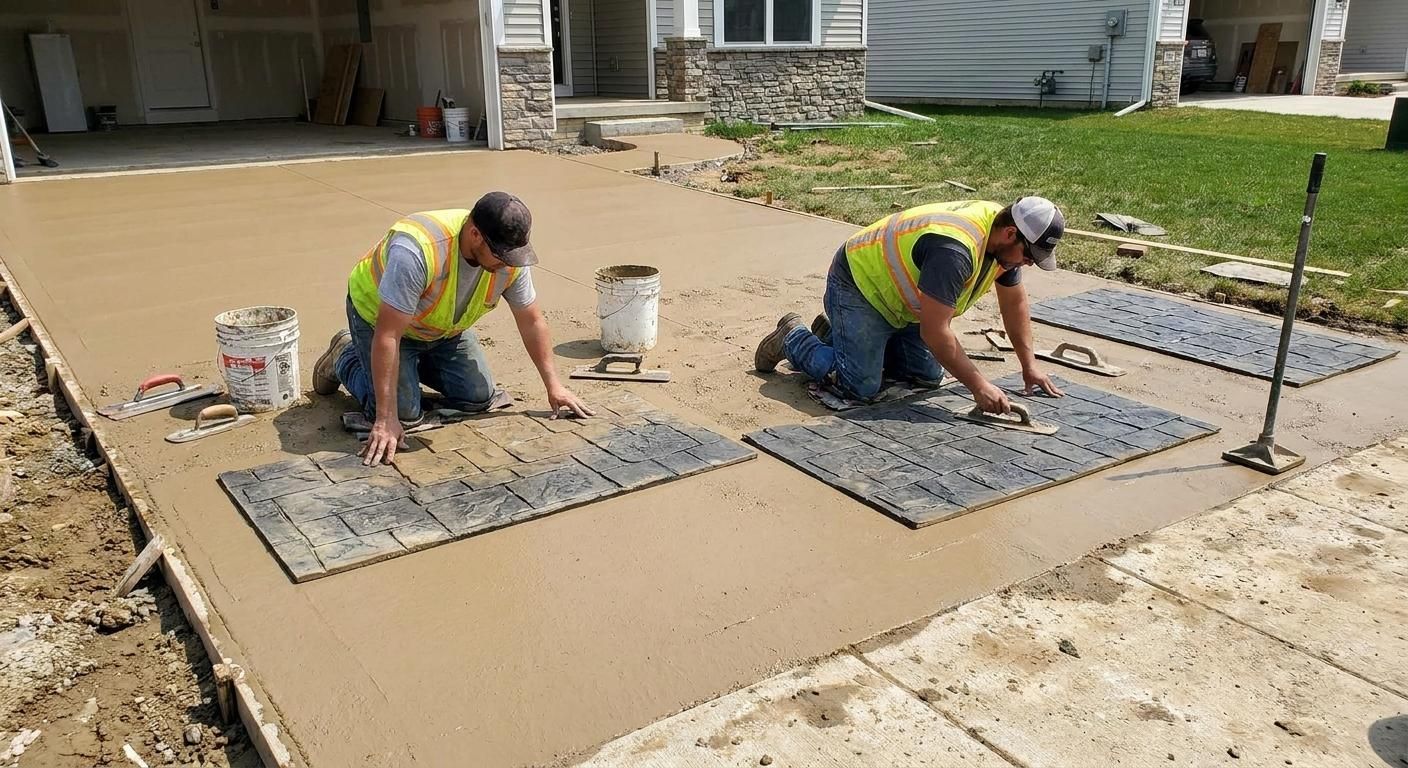
Garage & Shop Slabs
Best for: daily vehicle and equipment loads
Where: attached and detached garages
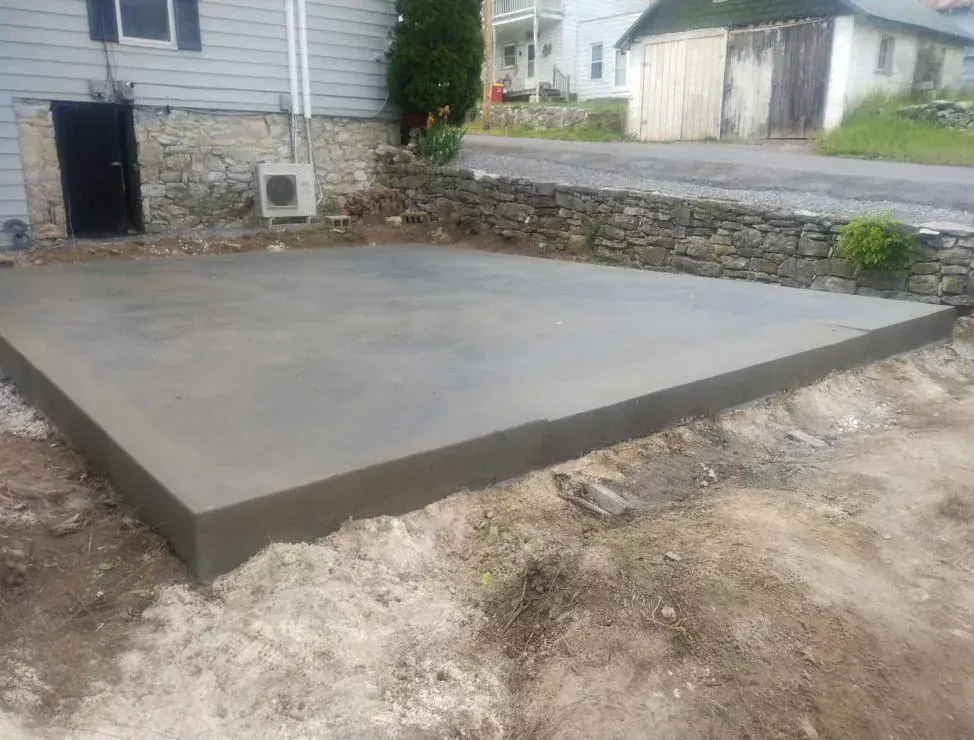
Addition & Outbuilding
Best for: new conditioned space on grade
Where: rear and side-yard builds
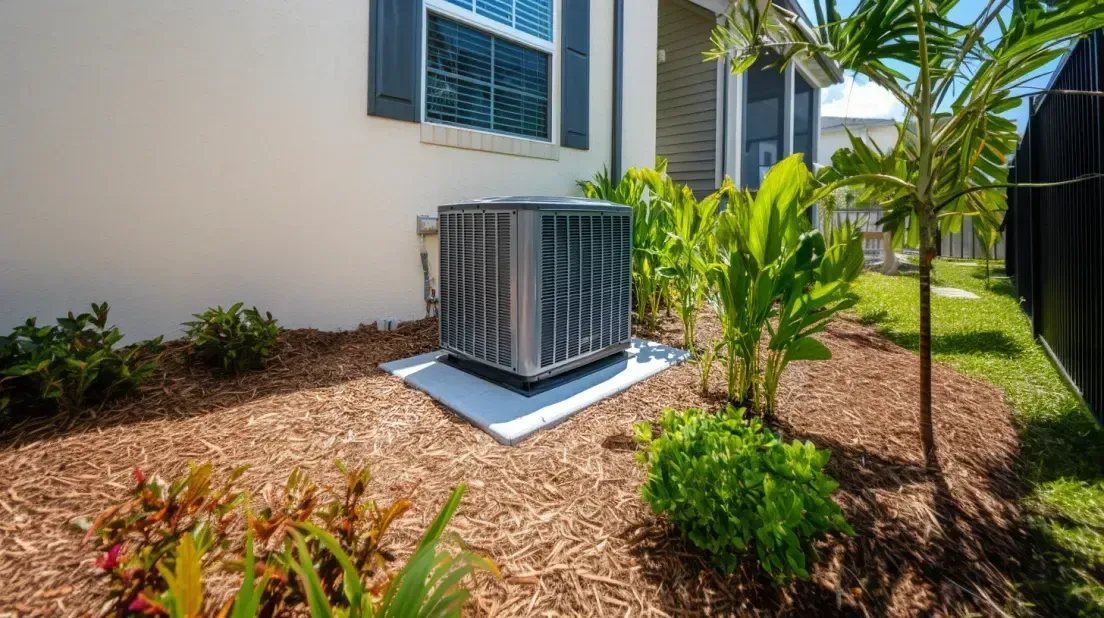
Equipment & Utility Pads
Best for: hot tubs, sheds, HVAC units
Where: side yards and utility runs
Step 1: Consultation & Site Assessment
We walk the site, check drainage and soil, then price the work.
Step 2: Planning & Permits
We confirm setbacks and file permits where the scope requires them.
Step 3: Excavation & Base Prep
Dig to depth, then compact an aggregate base that will not settle.
Step 4: Forming, Steel & Pour
Set forms, tie reinforcement, place and finish the concrete.
Step 5: Cure & Walkthrough
Monitored cure, joints checked, site cleaned, final walkthrough.
Concrete Slab Questions We Get Weekly
How thick should my concrete slab be?
Four inches is standard for sheds and light-duty pads. Garages and anything carrying vehicle or equipment weight get five to six inches with heavier reinforcement. We size it to the load during the site assessment.
Do I need a permit for a concrete slab?
It depends on your city and on what the slab supports. A flat pad on grade often does not need one. A slab under a structure usually does. We confirm with your jurisdiction before work starts.
How long before I can drive on a new slab?
Foot traffic at 24 to 48 hours, vehicles at about seven days. Concrete reaches full design strength around 28 days.
Can you pour a new slab over my existing one?
Sometimes, but it is often the wrong call. If the slab underneath is cracked or moving, an overlay inherits that movement. We will tell you straight which option makes sense.
Why do concrete slabs crack?
Fine shrinkage cracks are normal in every pour, which is why control joints exist. Wide or offset cracking points to a failed base or missing reinforcement, and that is a workmanship issue rather than a material one.