How Long Does Artificial Grass Last? Lifespan and Maintenance Guide

May 10, 2026

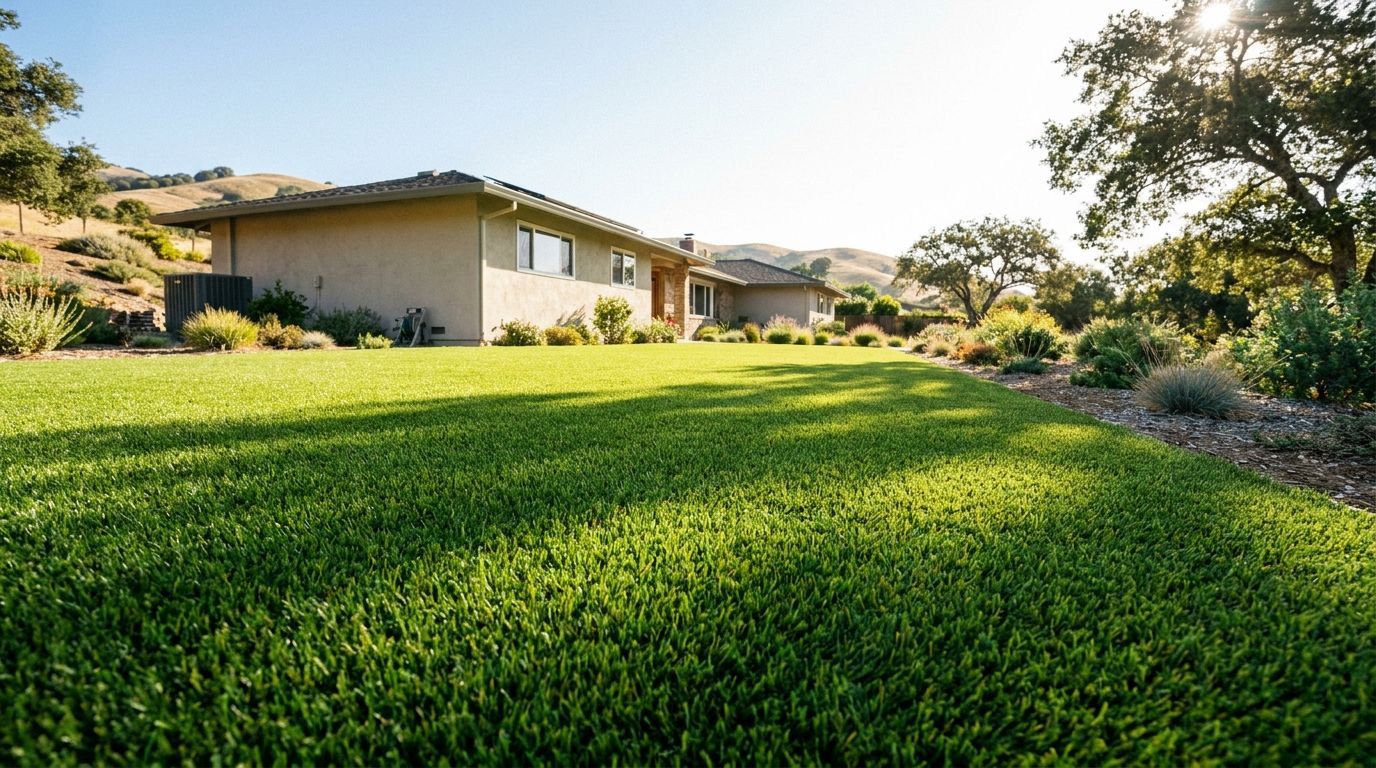
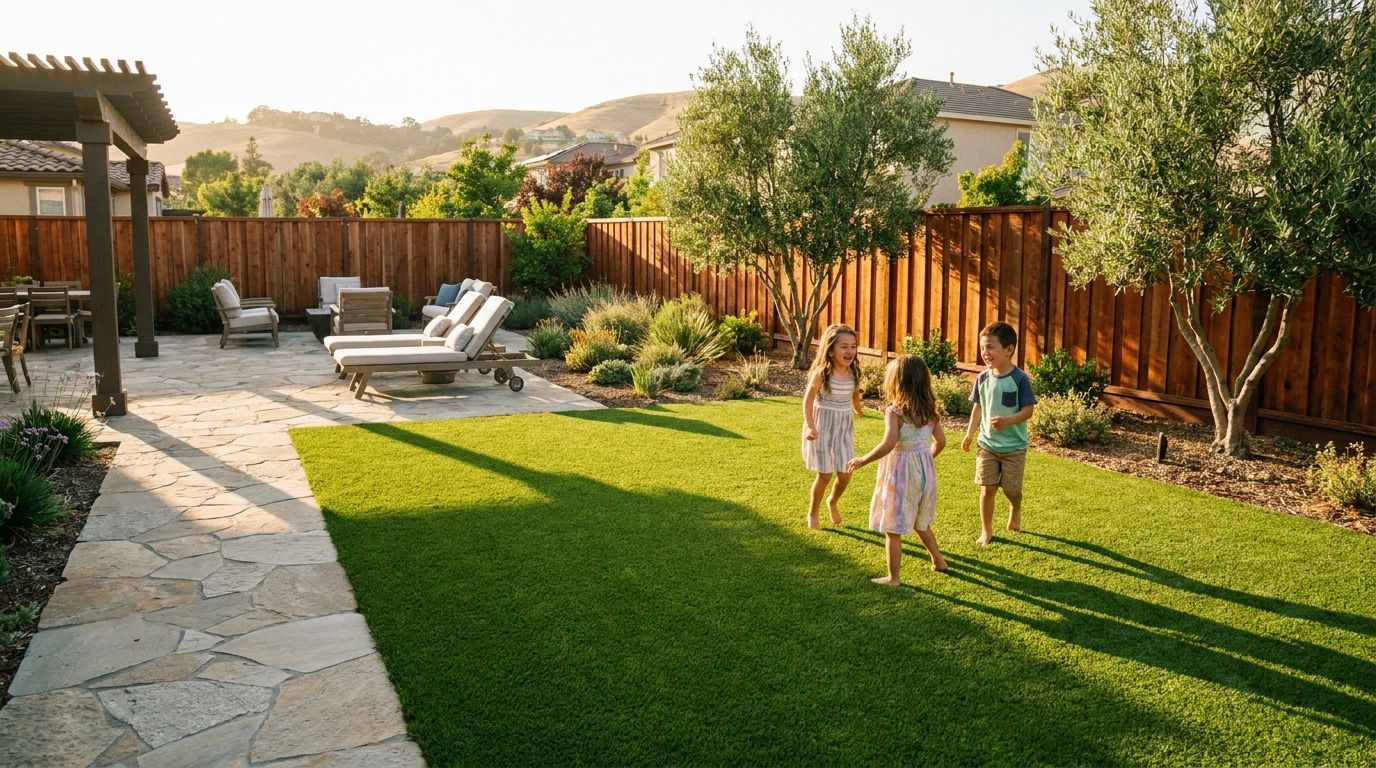
Quality artificial grass lasts 15 to 25 years with proper installation and regular low-effort maintenance. The exact lifespan depends on turf grade, foot traffic, UV exposure, and infill condition. Economy turf falls toward the 8- to 15-year end, while UV-stabilized premium turf reaches the top of the range.

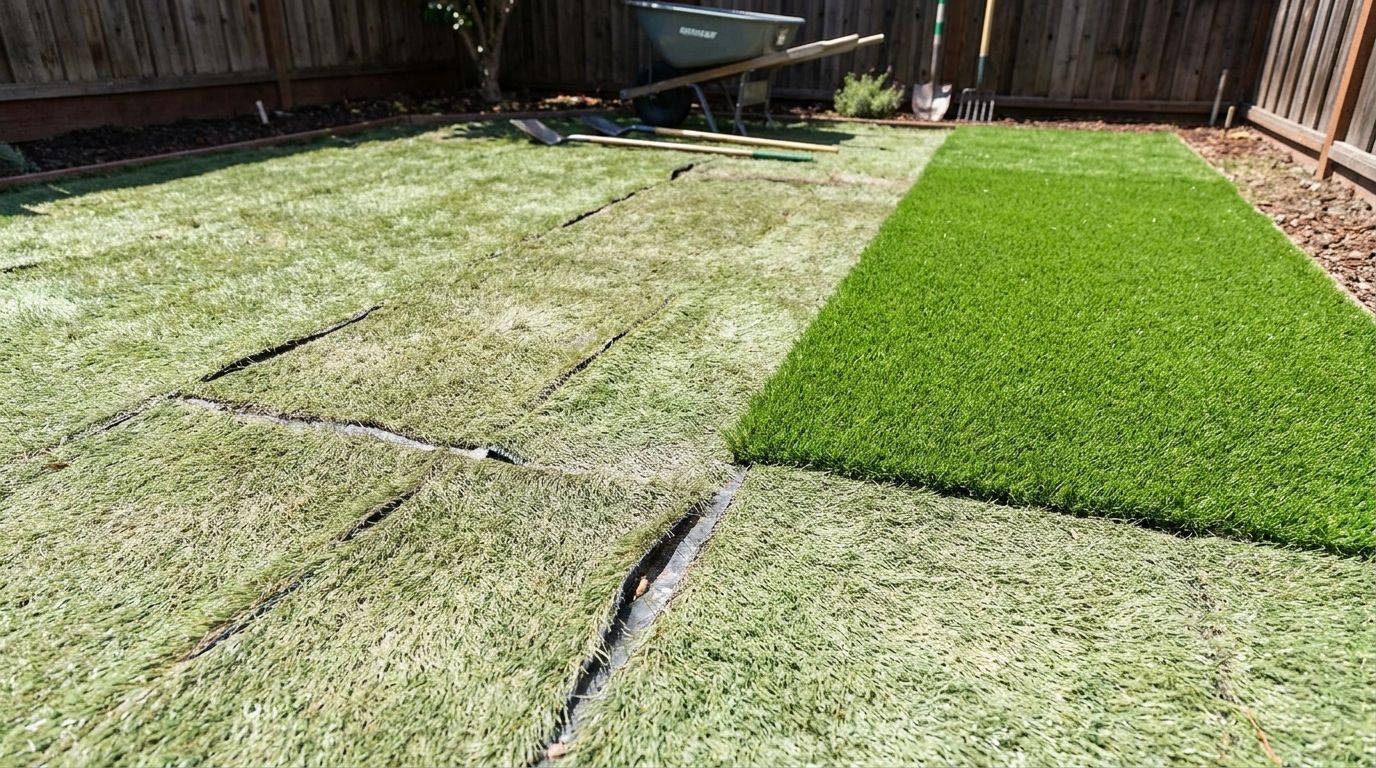
Elite Development Builders installs synthetic turf for homeowners across Contra Costa County and the East Bay. Installation is where lifespan is won or lost. A properly compacted base, correct drainage, and tight seam bonding determine whether turf reaches its full rated life since no fiber grade survives a base that shifts and wrinkles underneath it.

Summer in the inland East Bay pushes temperatures past 95 degrees for weeks at a time in Brentwood, Antioch, and Oakley. Natural lawns dry out, water bills spike, and mandatory watering restrictions kick in. It's the season when homeowners start asking how long a synthetic alternative actually lasts before committing to the investment. This article explains artificial turf's average lifespan, what shortens it, and the maintenance that gets you the full 25 years.

What Is the Average Lifespan of Artificial Grass?

High-quality residential synthetic turf lasts 15 to 25 years under normal conditions. Most manufacturers back their products with 8 to 15 year warranties covering UV degradation and fiber breakdown.

The range depends primarily on turf grade. Economy turf with thinner fibers and lighter backing typically lasts 8 to 15 years before visible wear. Mid-range and premium turf uses denser fiber weave and UV-stabilized materials that push into the 15 to 25 year range. For comparison, a natural grass lawn in the Bay Area requires annual reseeding, roughly 55 gallons of water per square foot per year, and weekly mowing to stay presentable.

Factors That Affect How Long Synthetic Turf Lasts

Several variables determine where your turf falls within that 15 to 25 year range.

UV Exposure and Climate

The East Bay's inland valleys receive significantly more direct sun than coastal communities. Brentwood and Antioch see faster UV degradation than Lafayette or Oakland because of higher temperatures and fewer overcast days. UV-stabilized turf fibers resist fading and brittleness, but even premium fibers break down faster under sustained heat.

Foot Traffic and Use

High-traffic areas like play zones, dog runs, and main walkways wear faster than decorative lawn sections. Rotating play areas and adding extra infill in heavy-use zones extends the turf's functional life by several years.

Installation Quality

 Proper artificial turf installation inclues base preparation, drainage, and seam bonding. Poorly compacted base material shifts over time and creates wrinkles, bumps, and drainage failures that shorten lifespan regardless of turf quality.

Maintenance That Extends Your Turf's Life

Synthetic turf requires far less upkeep than natural grass, but a few simple tasks keep it looking and performing well for the full 15 to 25 year range.

Regular Brushing and Rinsing

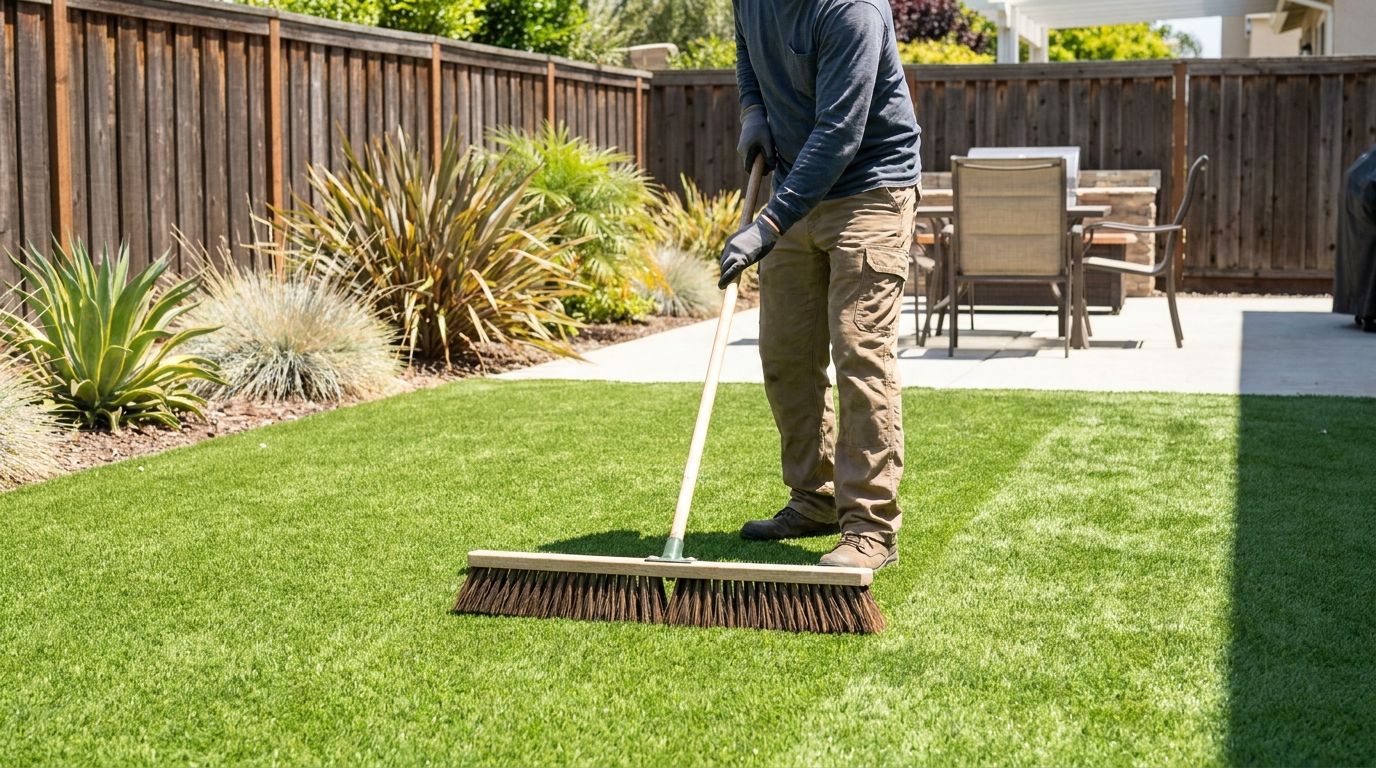
Brush turf fibers upright every few weeks with a stiff-bristle broom to prevent matting in high-traffic areas. Rinse the surface monthly to remove dust, pollen, and any pet residue that accumulates between cleanings. Homeowners in Danville, Alamo, and Walnut Creek often need more frequent rinsing during late summer when oak pollen and inland dust settle on synthetic surfaces.

Infill Management

Check infill levels twice a year and add material where it has settled or washed out. Infill supports the fiber structure, provides cushioning underfoot, and enables proper drainage through the base layer.

Spot Cleaning and Pet Care

Remove pet waste promptly and treat stains with mild soap and water. Avoid harsh chemicals that can degrade turf fibers and break down infill materials over time.

Signs Your Artificial Grass Needs Replacement

Watch for these signs, which typically appear after 12 to 20 years of use:

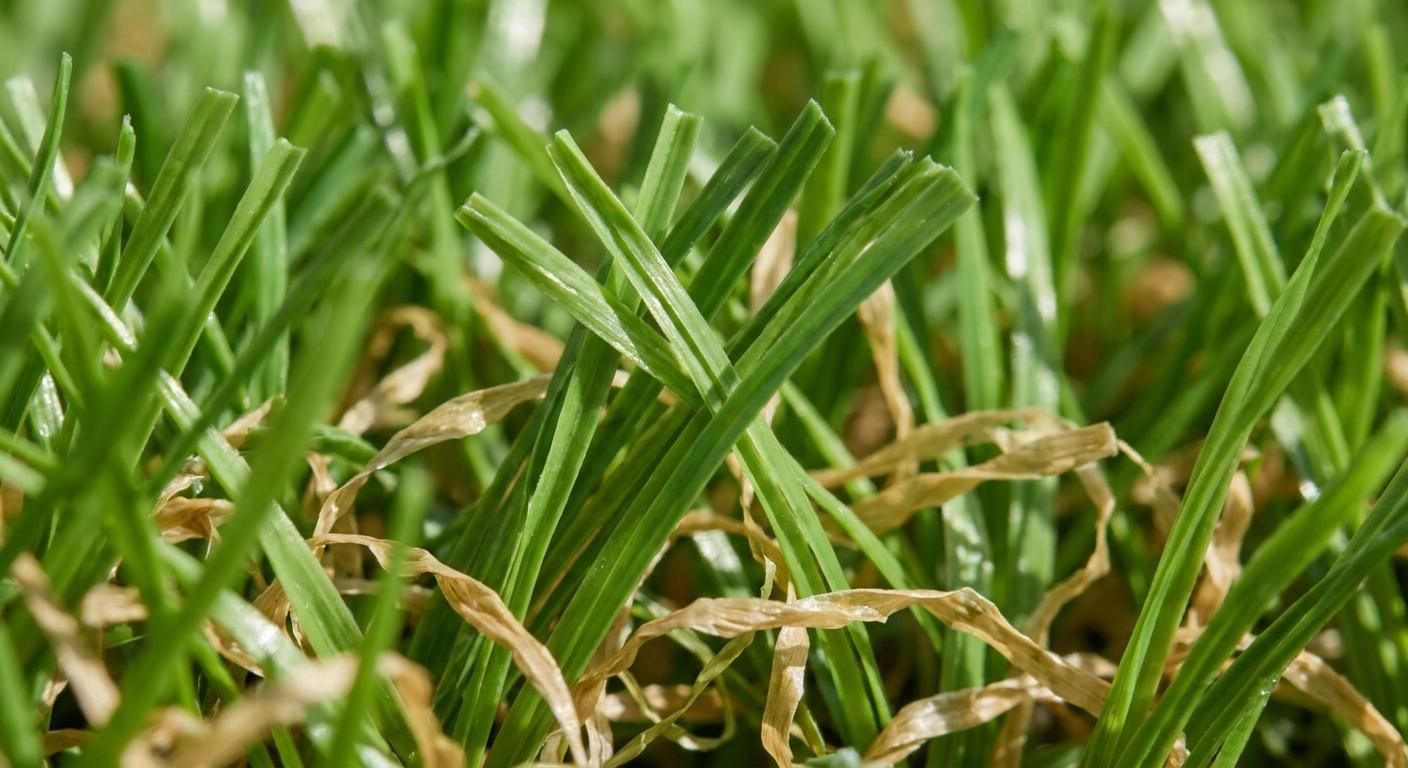
  • Fibers permanently flattened that no longer spring back after brushing
  • Visible fading or discoloration across large sections of the lawn
  • Seams separating or edges lifting away from the base material
  • Infill that no longer holds in place after repeated refilling
  • Drainage slowing significantly despite clean infill and an intact base

When multiple signs appear at once, the turf has reached the end of its functional life. Spot repairs can extend use by a year or two, but full replacement delivers better drainage and appearance than patching degraded sections.

Frequently Asked Questions

Does artificial grass get too hot in the sun?

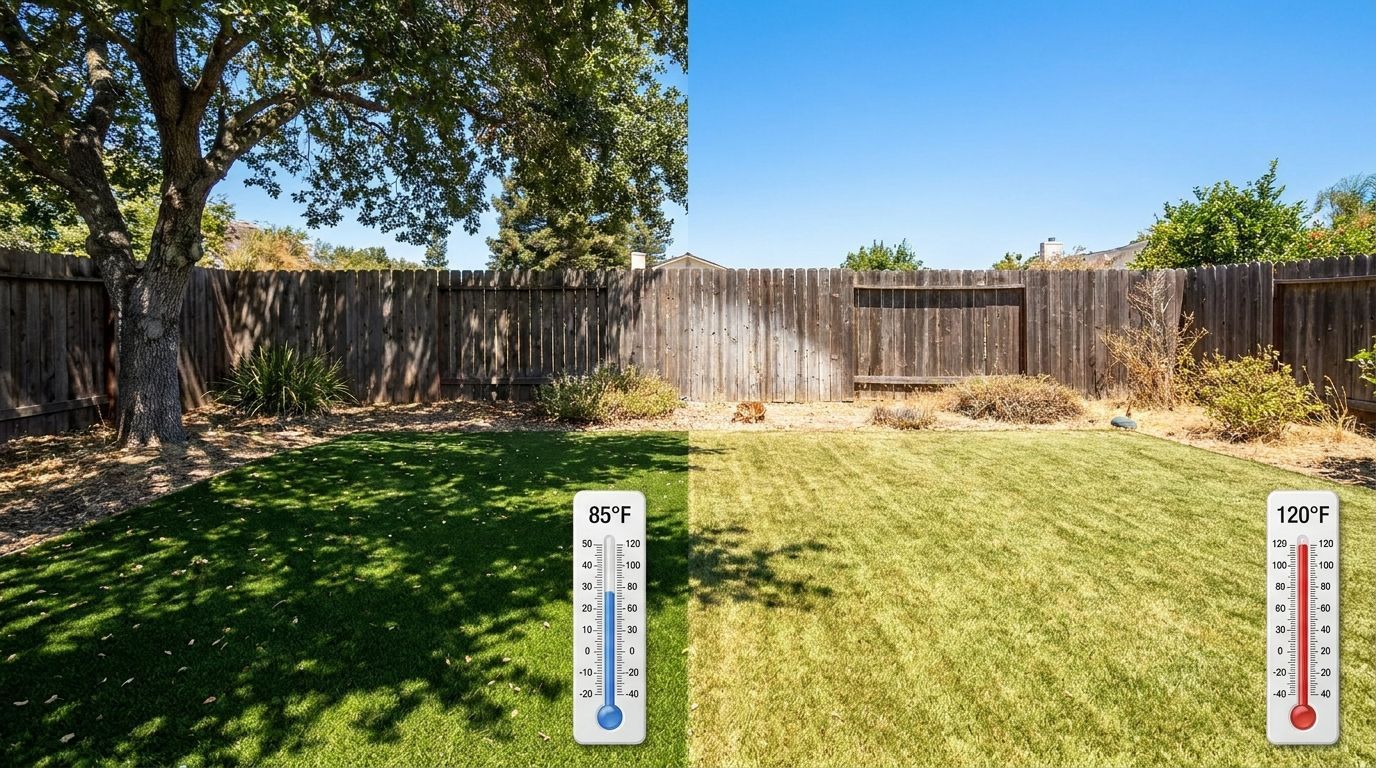
Synthetic turf can reach surface temperatures of 120 to 150 degrees Fahrenheit in direct summer sun, especially in inland East Bay communities. Watering the surface with a hose cools it within minutes, and shade structures or trees help keep temperatures manageable in high-traffic areas.

How often should you replace artificial grass?

Most homeowners replace synthetic turf every 15 to 20 years, though well-maintained premium turf can last 25 years. Elite Development Builders recommends annual inspections to catch infill loss, seam separation, or fiber wear before they require a full replacement.

Is artificial grass worth the investment?

Artificial grass costs $10 to $20 per square foot installed but eliminates watering, mowing, fertilizing, and reseeding for its entire lifespan. In the Bay Area, where water costs and restrictions make natural lawn maintenance expensive, most homeowners break even within five to seven years.

Keep Your Lawn Looking Fresh for Decades

How long your artificial grass lasts is based on three things: turf quality, installation prep, and consistent low-effort maintenance. In the East Bay's hot inland summers and wet winters, those factors determine whether you get 10 years or 25 out of your investment.

For homeowners across Contra Costa County, proper installation is where longevity starts. Contact Elite Development Builders online for a free synthetic turf estimate or call (925) 504-7086 .

By Miguel Flores May 28, 2026
Compare pavers vs concrete costs, durability, and maintenance for East Bay patios and driveways. Get honest pricing for your Contra Costa County project.
By Miguel Flores May 25, 2026
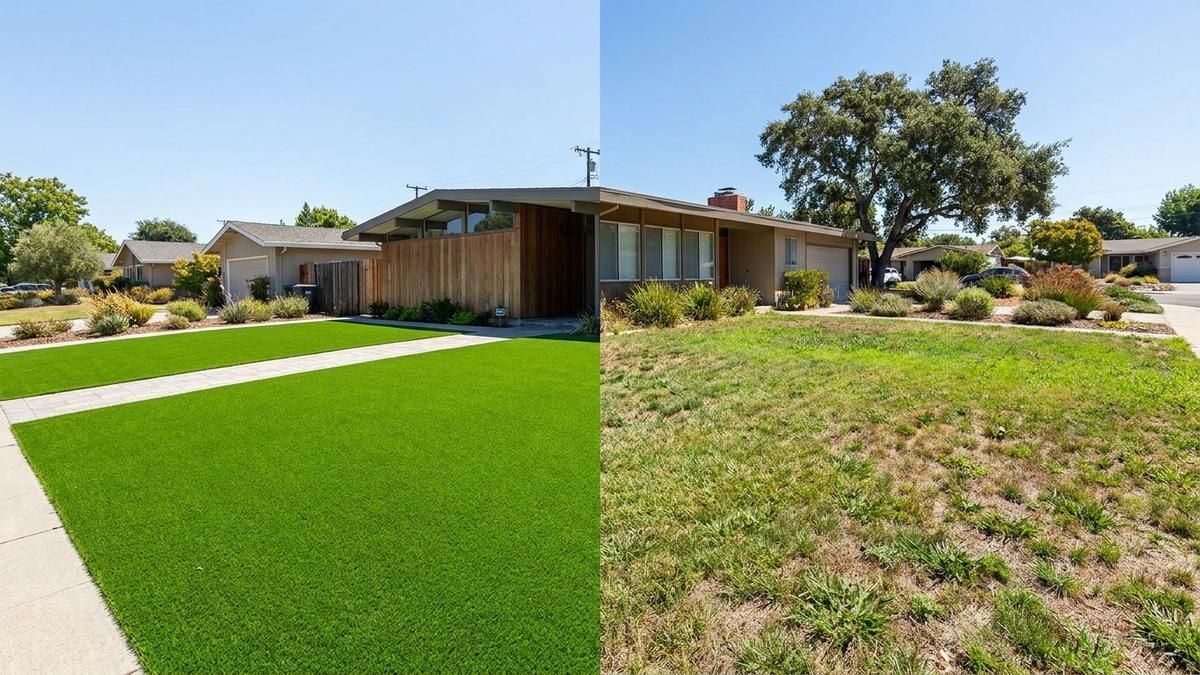
Compare artificial grass vs real grass costs, maintenance, and water savings for East Bay homeowners. Find which lawn works best in Contra Costa County.
By Miguel Flores May 21, 2026
Compare ADU vs addition costs, rental income, and permits for East Bay homeowners. See which option adds more value in Contra Costa County.
By Miguel Flores May 18, 2026
Stamped concrete patio costs range from $12 to $26 per square foot in the Bay Area. See pricing by pattern, size, and what affects your total cost.
By Miguel Flores May 15, 2026
ADU construction in the Bay Area costs $100,000 to $500,000, depending on type. See cost breakdowns for garage conversions, attached, and detached ADUs.
By Miguel Flores May 6, 2026
Discover 25 retaining wall ideas for sloped Bay Area yards, including concrete, stone, timber, and terraced designs courtesy of Elite Development Builders.
By Miguel Flores May 2, 2026
Explore 15 concrete patio ideas for East Bay backyards. From broom finish to stamped patterns to multi-level designs, find styles that fit your yard.
Modern house with a manicured green lawn, desert landscaping, and warm sunset light
By Miguel Flores April 29, 2026
Weigh the real pros and cons of artificial turf for East Bay homes. Consider water savings, heat, costs, and maintenance as explained by local installers.
Person pressure-washes a wet brick patio in a leafy backyard.
By Miguel Flores April 22, 2026
Compare stamped concrete and pavers in terms of cost, durability, and maintenance. Get an honest breakdown for East Bay homeowners from local contractors.
Terraced stone garden beds at sunset with lush plants and a distant coastal view
By Miguel Flores April 15, 2026
Learn how retaining wall drainage prevents structural failure. Elite Development Builders shares East Bay drainage solutions and warning signs.
Show More